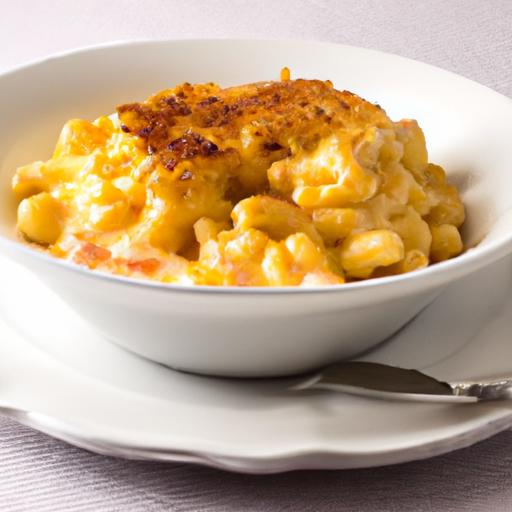

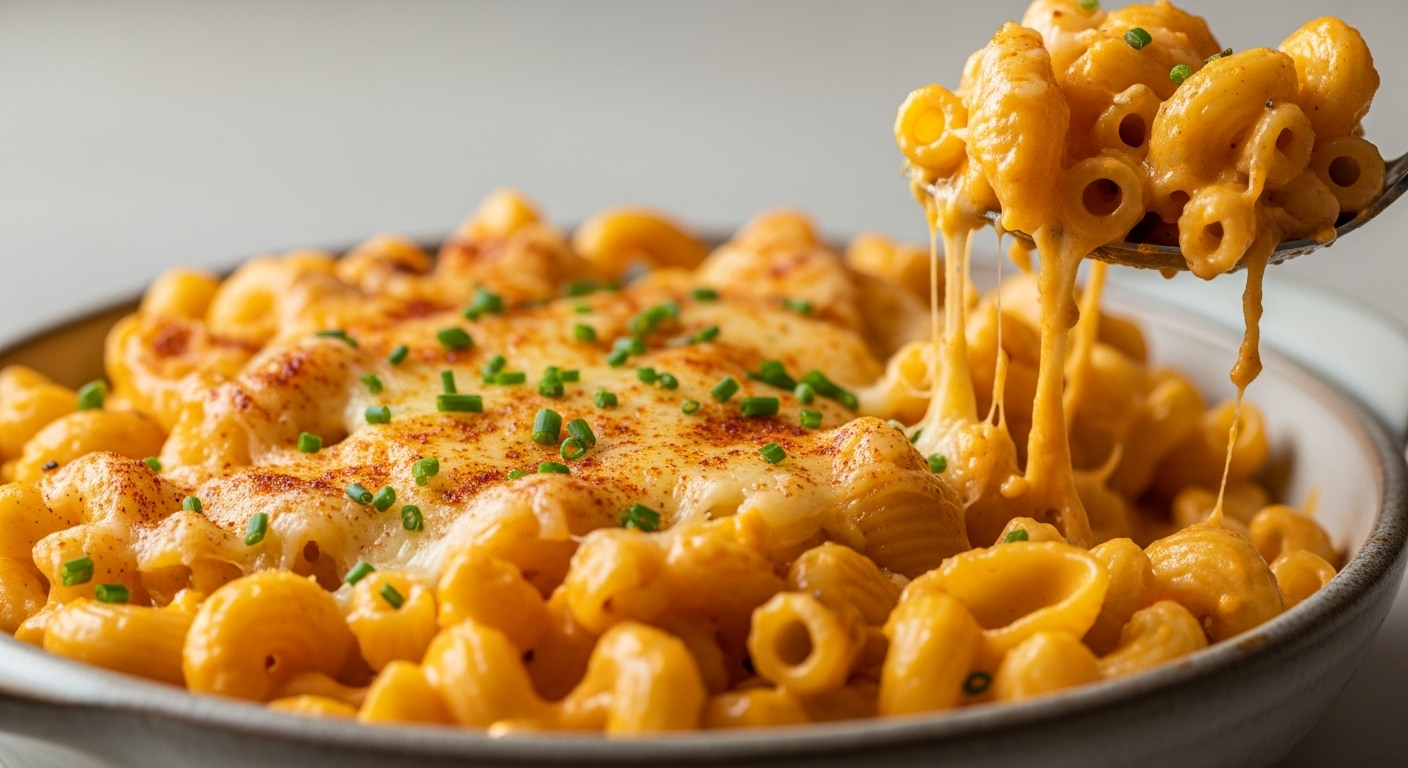
Golden, gooey, and perfectly comforting, macaroni and cheese has long held a special place in the hearts-and on the plates-of food lovers around the world.But beneath its creamy surface lies a interesting story that blends culinary tradition with scientific marvel.From humble beginnings as a simple pasta-and-cheese concoction to its evolution into a beloved comfort food phenomenon, mac and cheese is more than just a dish; it’s a testament to the magic that happens when heat, starch, and dairy unite.Join us as we unravel the creamy history and delve into the science behind this timeless delight, exploring how each velvety bite comes to life with a perfect balance of texture, flavor, and melt-in-your-mouth goodness.
The Creamy History and Science Behind Mac and Cheese Delight unfolds a world where tradition meets technique, highlighting how this beloved comfort food evolved into the creamy masterpiece we crave today.From its early European roots to becoming an icon on dinner tables worldwide, mac and cheese masterfully balances simplicity and richness, inviting both young and old into a warm, flavorful embrace.
Origins of Comfort Food: exploring the Evolution of Mac and Cheese
Tracing back to the 14th century,the dish’s legacy began with layered pasta and melted cheese recipes in Italy and France,gaining a foothold in American cuisine through Thomas Jefferson’s passion for penne pasta paired with Parmesan and cheddar. Over centuries, mac and cheese transformed from rustic sustenance to an indulgent staple, reflecting regional twists and cultural adaptations that emphasize creamy textures and bold flavors. This evolution showcases not only culinary creativity but also the power of comfort food to connect generations.
Decoding the Creamy Chemistry: Understanding the Science of Texture and Flavor
The essence of velvety mac and cheese lies in the precise interaction between starch, fat, and protein. When pasta is cooked al dente, its slightly rough surface holds onto the sauce, allowing the luxurious cheese blend to coat every nook and cranny. The béchamel sauce serves as the base, where flour and butter meld to a roux, thickening the milk with just the right silkiness. The melting cheese releases proteins and fats that create a smooth network, responsible for that signature stretch and luscious mouthfeel.
Crafting the Perfect Sauce: Tips and Techniques for Ultimate Creaminess
For an irresistibly creamy sauce, start by cooking an equal ratio of butter and flour over medium heat to form a blond roux-stir constantly and don’t let it brown. Gradually whisk in warm milk to prevent lumps and encourage a glossy finish. Incorporate cheeses that melt well,adding them off the heat to avoid graininess. Season with a pinch of nutmeg and a dash of mustard powder to deepen the complexity without overpowering the cheesy notes. The hallmark of perfect texture is slow integration and patience; never rush the melding of sauce and pasta.
Choosing the Ideal Cheese Pairings: Recommendations for Richness and Depth
While classic cheddar remains king, combining it with cheeses like Gruyère or Fontina elevates the dish, adding nutty and creamy layers. Sharp, aged cheddar provides bite and character; mozzarella lends mild stretchiness; and Parmesan adds a salty kick. Aim for a blend that balances sharpness and meltability. Freshly grated cheeses outperform pre-shredded varieties due to retained moisture, creating a silkier sauce. Experiment boldly-blue cheese or smoked gouda can impart unexpected depth for adventurous palates.
Prep and Cook time
- Prep Time: 15 minutes
- Cook Time: 25 minutes
- Total Time: 40 minutes
Yield
Serves 6 generous portions
Difficulty Level
Medium – perfect for home cooks eager to master sauce technique
Ingredients
- 12 oz elbow macaroni (or your favorite small pasta shape)
- 4 cups whole milk, warmed
- 4 tbsp unsalted butter
- 1/4 cup all-purpose flour, sifted
- 2 cups sharp white cheddar cheese, freshly grated
- 1 cup Gruyère cheese, freshly grated
- 1/2 cup Parmesan cheese, freshly grated
- 1 tsp Dijon mustard
- 1/4 tsp ground nutmeg
- Salt and freshly ground black pepper, to taste
- Optional: 1/2 cup panko breadcrumbs for topping
Instructions
- Cook the pasta: Bring a large pot of salted water to a boil. Add macaroni and cook until just al dente, about 7 minutes. Drain and toss with a little butter to prevent sticking. Set aside.
- Make the roux: In a large saucepan, melt butter over medium heat. Sprinkle in the flour and whisk continuously until smooth and golden, about 2-3 minutes.
- Add milk gradually: slowly pour in warmed milk while whisking vigorously to avoid lumps. Continue to cook, stirring often, until the sauce thickens and coats the back of a spoon, about 6-8 minutes.
- Flavor the sauce: Stir in Dijon mustard, nutmeg, and a good pinch of salt and pepper.
- Melt the cheese: Remove sauce from heat and gradually add the cheddar, Gruyère, and Parmesan, stirring until fully melted and smooth. For silky sauce, add cheese off direct heat.
- Combine pasta and sauce: Fold pasta gently into the cheese sauce until evenly coated.
- Optional baking: Preheat oven to 375°F (190°C). Pour mac and cheese into a buttered baking dish. Sprinkle panko breadcrumbs on top and bake until golden and bubbling,about 15 minutes.
- serve immediately: Garnish with freshly chopped parsley or chives for a pop of colour and freshness.
tips for Success
- Use whole milk for richness; for ultra-creamy results, substitute half with heavy cream.
- Add cheese gradually and melt over low heat to avoid grainy sauce.
- Freshly grate cheese yourself to retain moisture and ensure smooth melting.
- don’t overcook pasta-slightly underdone pasta absorbs sauce best without becoming mushy.
- For make-ahead convenience, prepare sauce and pasta separately. Assemble and bake before serving.
Serving Suggestions
Plate this creamy mac and cheese as a hearty main course alongside a crisp green salad and roasted vegetables for balanced contrast. Top with crispy breadcrumbs or crumbled bacon for added texture.A light sprinkling of smoked paprika or fresh herbs enhances both aroma and presentation, making every bite a feast for the senses.
| Nutrient | per Serving |
|---|---|
| Calories | 450 kcal |
| Protein | 22 g |
| Carbohydrates | 38 g |
| Fat | 22 g |

Discover more classic comfort foods and their secrets in our Ultimate Comfort Food Recipes collection. For an in-depth exploration of cheese science and dairy innovations, visit Cheese Science Institute.
Q&A
Q&A: The Creamy History and Science Behind Mac and Cheese Delight
Q1: Where did mac and cheese originally come from?
A1: Mac and cheese’s roots trace back to ancient times when pasta and cheese were combined in simple, hearty dishes. However,the creamy duo as we know it today began gaining popularity in Europe,especially in Italian and English kitchens.The earliest American recipe appeared in the 18th century, famously popularized by Thomas Jefferson after he encountered pasta dishes in France and Italy. He even served a baked version at a White house dinner in 1802, helping to cement mac and cheese as a beloved classic.
Q2: Why is the cheese so critically important in mac and cheese?
A2: Cheese is the soul of mac and cheese-it transforms a humble dish of pasta into a luscious, comforting indulgence. The type of cheese affects flavor, texture, and creaminess. Cheeses like cheddar melt smoothly and provide sharpness, while creamier varieties such as Gruyère or fontina add depth. The science lies in the cheese’s protein and fat content, which interact with the pasta and milk to create that perfect silky sauce that hugs every noodle.
Q3: What’s the secret to achieving the perfect creamy texture?
A3: Achieving that signature creaminess is a delicate dance of temperature and technique. the magic starts with a roux-a cooked mixture of butter and flour-that thickens the milk into a velvety béchamel sauce. Gradually melting cheese into this base at moderate heat ensures it doesn’t seize or separate.Starch from the pasta also helps thicken the sauce, enhancing its clingy, luscious quality. Overheating or rushing the cheese melt can cause graininess,so patience is key.
Q4: How has mac and cheese evolved over time?
A4: From Jefferson’s simple baked dish to fast-food innovations and gourmet versions, mac and cheese has continuously evolved. Comfort food lovers experiment with different cheeses, mix-ins like bacon or truffle, and various pasta shapes. Instant mac and cheese revolutionized convenience, while artisanal recipes elevate the dish to haute cuisine status.Each era and culture adds its own creamy spin, proving mac and cheese is endlessly adaptable.
Q5: What makes mac and cheese so universally beloved?
A5: There’s something deeply nostalgic and satisfying about mac and cheese-a warm hug on a plate. It combines the familiar comfort of creamy, cheesy goodness with the satisfying bite of tender pasta. Its simplicity allows for endless creativity, while its rich, fatty flavors tap into our brain’s cravings for pleasure and satisfaction. Whether humble or haute, mac and cheese connects people through comfort, tradition, and indulgence.
This Q&A explores the rich tapestry of history and science behind the beloved mac and cheese, shedding light on what makes this creamy delight an enduring favorite worldwide.
The Conclusion
As the golden, bubbling layers of mac and cheese continue to charm taste buds around the world, understanding its rich history and scientific magic only deepens our appreciation for this beloved comfort food. From humble medieval beginnings to the precise chemistry of creamy cheese sauces, mac and cheese is more than just a dish-it’s a delicious testament to culinary innovation and tradition. So next time you twirl that cheesy pasta around your fork, savor not only the flavors but the centuries of culture and science that made every bite possible. mac and cheese isn’t just a meal; it’s a creamy celebration of the past meeting the present on your plate.