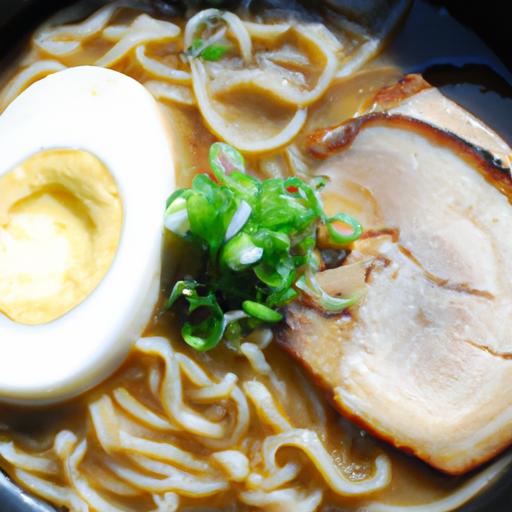

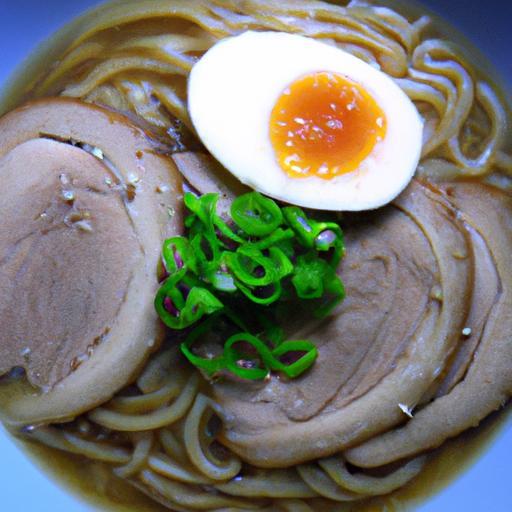
in the world of comfort foods, few dishes capture the heart and soul of culinary tradition quite like ramen. This beloved Japanese staple, with its steaming broth, tender noodles, and vibrant toppings, is much more than a swift meal-it’s a journey into layers of flavor and culture. Crafting authentic homemade ramen might seem like a daunting task, but with the right ingredients, techniques, and a dash of patience, anyone can recreate this savory masterpiece in their own kitchen. In this flavorful guide, we’ll unravel the secrets behind each essential component, empowering you to transform simple pantry staples into a bowl of ramen that’s rich, satisfying, and unmistakably genuine. Weather you’re a seasoned foodie or a curious beginner, prepare to embark on a culinary adventure that honors tradition while inviting your own creativity to shine.
crafting Authentic Homemade Ramen opens the door to a world of rich, soulful flavors layered with textural perfection. From the deeply infused broth that forms the heart of the bowl, to the delicately handcrafted noodles and carefully curated toppings, each element plays a vital role in creating an unforgettable ramen experience. This guide invites you to unlock the secrets to developing umami-packed broth bases, mastering tender yet springy noodles from scratch, selecting toppings that elevate every bite, and balancing seasonings and aromatics for pronounced harmony. Whether you’re a seasoned cook or an enthusiastic home chef, these essentials will empower you to craft a ramen bowl that nourishes both body and spirit.
Prep and Cook Time
- Preparation Time: 1 hour 30 minutes
- Cooking Time: 4 hours (for broth) + 30 minutes (for noodles and toppings)
- Total Time: Approximately 6 hours
Yield
Serves 4 generous bowls
Difficulty Level
Advanced – requires patience but rewarding with deep, authentic flavors
Ingredients
-
- for the Broth Base:
- 3 lbs beef bones (neck and femur), blanched
- 1 lb chicken carcass
- 1 large onion, quartered
- 4 cloves garlic, smashed
- 1-inch piece ginger, sliced thin
- 6 dried shiitake mushrooms
- 2 dried kombu sheets (kelp)
- 3 quarts cold water
- 2 tbsp soy sauce
- 1 tbsp mirin
- Salt to taste
- For Noodles (makes about 4 servings):
- 2 cups all-purpose flour, sifted
- 1/2 cup bread flour (for chewiness)
- 1/2 tsp kosher salt
- 2/3 cup water (adjust as needed)
- 1 tsp baking soda (baked for 1 hour to mimic kansui)
- For Toppings:
- 4 soft-boiled eggs, marinated in soy and mirin
- 8 slices beef belly , seared
- 1 cup bamboo shoots, julienned
- 1 cup sliced green onions
- 1 sheet toasted nori (seaweed)
- fresh bean sprouts (optional)
- Sesame seeds for garnish
- for the Broth Base:
Instructions
-
-
- Prepare the Broth Base: Rinse beef bones and chicken carcass under cold water, than blanch in boiling water for 10 minutes to remove impurities. Drain and rinse bones thoroughly.
- Simmer the Broth: in a large stockpot, add blanched bones, onion, garlic, ginger, shiitake, and kombu. pour in 3 quarts cold water, bring to a gentle boil, then reduce to a low simmer. Skim scum from the surface frequently to ensure clarity.
Pro Tip: Cooking low and slow for 4+ hours extracts maximum collagen and flavor. - Season the broth: After 4 hours, remove kombu before it turns bitter. Strain the broth through a fine mesh sieve into another pot. Add soy sauce, mirin, and adjust salt carefully. Keep warm on low heat.
- Prepare Noodles: Preheat your oven to 250°F (120°C) and bake baking soda on a sheet for 1 hour (to create alkaline water).Mix flours and salt in a bowl, dissolve baked baking soda into water, then slowly combine into dry ingredients until dough is firm but malleable.
Tip: Knead for 10 minutes, then wrap dough in plastic and rest for 30 minutes. - Roll and Cut Noodles: Divide dough into 4 portions. Using a pasta machine or rolling pin, roll dough thin (~1.5mm). Dust with flour and cut into 1/8-inch wide noodles. Toss lightly to prevent sticking.
- Cook Noodles: Boil water in a large pot, add noodles, and cook for 2-3 minutes or until tender but springy. Drain and rinse under cold water to halt cooking and remove excess starch.
- Sear Toppings: Heat a cast-iron pan and sear beef belly slices until caramelized (about 1-2 minutes per side). Set aside soft-boiled eggs, and slice them carefully.
- Assemble the Ramen Bowl: Divide noodles into bowls, ladle hot broth generously, then layer chashu, eggs, bamboo shoots, green onions, bean sprouts, and nori. Finish with a sprinkle of toasted sesame seeds.
-
Tips for Success
-
-
- Broth Clarity: Skimming regularly is crucial to prevent a cloudy broth and achieve that pristine, appetizing transparency.
- Noodle texture: Resting the dough is essential for gluten growth, ensuring a chewy yet tender bite.
- Alkaline Water Substitute: Baking soda baked in the oven replicates the effect of kansui, providing the signature yellow hue and firm texture to noodles.
- make-Ahead: Broth can be prepared 1-2 days ahead and refrigerated; skim off any solidified fat before reheating.
- Topping Variations: Add corn, spinach, or narutomaki for personalized layers of flavor and color.
-
Serving Suggestions
Serve your Crafting Authentic Homemade Ramen bowls piping hot in wide,deep ramen bowls. Encourage guests to first savor the broth by lifting a spoonful, then slowly enjoy the interplay of chewy noodles and savory toppings. A side of pickled ginger or a small dish of chili oil can add a lively kick for those seeking extra depth. Pair with a crisp Japanese lager or green tea for the perfect harmony of taste and refreshment.
| Nutrient | Per Serving |
|---|---|
| Calories | 560 kcal |
| Protein | 38 g |
| Carbohydrates | 45 g |
| Fat | 22 g |
Explore our easy homemade shoyu ramen recipe for a quicker option with similar rich flavors. for deeper insight into broth chemistry, visit Serious Eats’ ramen broth guide.

Q&A
Q&A: Crafting Authentic Homemade Ramen – A Flavorful Guide
Q1: What makes ramen truly authentic?
A: Authentic ramen is an artful balance of rich, slow-simmered broth, springy noodles, and harmonious toppings. It’s not just about following a recipe but honoring the layers of flavor built over time-from the depth of the broth to the umami punch of tare (seasoning sauce). Traditional Japanese techniques and fresh, quality ingredients pave the way for ramen that sings with authenticity.
Q2: How long does it take to make authentic ramen from scratch?
A: While instant ramen takes minutes, authentic homemade ramen is a labor of love, ofen requiring several hours. Broth simmering alone can take anywhere from 4 to 12 hours to extract maximum flavor from bones and aromatics. However, don’t let the time intimidate you-chunking the process over a day or two yields rewarding, deeply satisfying results.
Q3: What are the key components of homemade ramen?
A: There are three pillars to focus on:
-
-
- Broth: The soul of ramen, made from beef, chicken, fish, or vegetables, often simmered with aromatics like ginger, garlic, and onion.
- Noodles: Traditionally alkaline noodles with a firm, chewy texture-fresh if possible, but high-quality dried noodles can suffice.
- Toppings: These add character and crunch-think soft-boiled eggs (ajitsuke tamago), , bamboo shoots, nori, spring onions, and mushrooms.
-
Q4: Can I make ramen vegetarian or vegan and still keep it authentic?
A: Absolutely! While traditional ramen often boasts chicken broth, vegetarian and vegan ramen can be just as soulful. Use kombu (kelp), shiitake mushrooms, miso, and dried seaweed to build a flavorful umami-rich broth. Toppings like tofu,roasted vegetables,and marinated mushrooms can offer both texture and depth.Q5: How do you achieve the perfect ramen noodle texture?
A: The secret lies in the dough’s alkaline component-usually kansui, a mineral water that gives noodles their signature springy bite and yellowish hue. If you don’t have kansui, a mix of baking soda and water can work as a substitute.Kneading the dough well and rolling it out thin ensures a firm, chewy texture that won’t become soggy in the hot broth.
Q6: What’s the best way to season the broth?
A: Seasoning is all about balance. Use tare-a concentrated seasoning sauce made from soy sauce, miso, or salt-as the final seasoning touch, added to bowls before ladling in the broth. This layering lets you adjust salty and savory notes precisely, elevating the broth without overpowering it.
Q7: Any tips for plating and serving ramen like a pro?
A: Presentation is part of the experience. Arrange your toppings artfully-soft-boiled egg halves nestled on one side,chashu slices fanned out,fresh scallions sprinkled on top. Serve steaming hot in a wide, shallow bowl to showcase the vibrant colors and textures. And don’t forget a side of pickled ginger or chili oil for an added kick!
Q8: How can I elevate homemade ramen for special occasions?
A: Take it up a notch by making your own beef belly,marinating eggs overnight,or crafting homemade chili oil. Pair your bowl with Japanese side dishes like gyoza or a crisp cucumber salad. Setting a serene atmosphere with Japanese music and using traditional ramen bowls creates an immersive dining experience.
Q09: What is the most rewarding part of making ramen from scratch?
A: Beyond the amazing aroma and mouthwatering flavors, it’s the joy of crafting something deeply comforting and culturally rich with your own hands. Sharing a bowl of your authentic homemade ramen transforms simple noodles into a heartfelt party of tradition, patience, and culinary creativity.
Closing Remarks
As you embark on your homemade ramen journey, remember that each bowl you create is more than just a meal-it’s a harmonious blend of tradition, technique, and personal flair. From simmering rich, umami-packed broths to carefully selecting your toppings, the art of crafting authentic ramen invites you to slow down and savor the process as much as the final slurp. With patience and passion, your kitchen can transform into a ramen haven, where every steaming bowl tells a story of flavor, culture, and creativity. So gather your ingredients, trust your instincts, and dive into the delightful world of homemade ramen-your taste buds will thank you for the adventure.