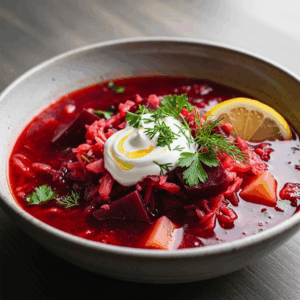

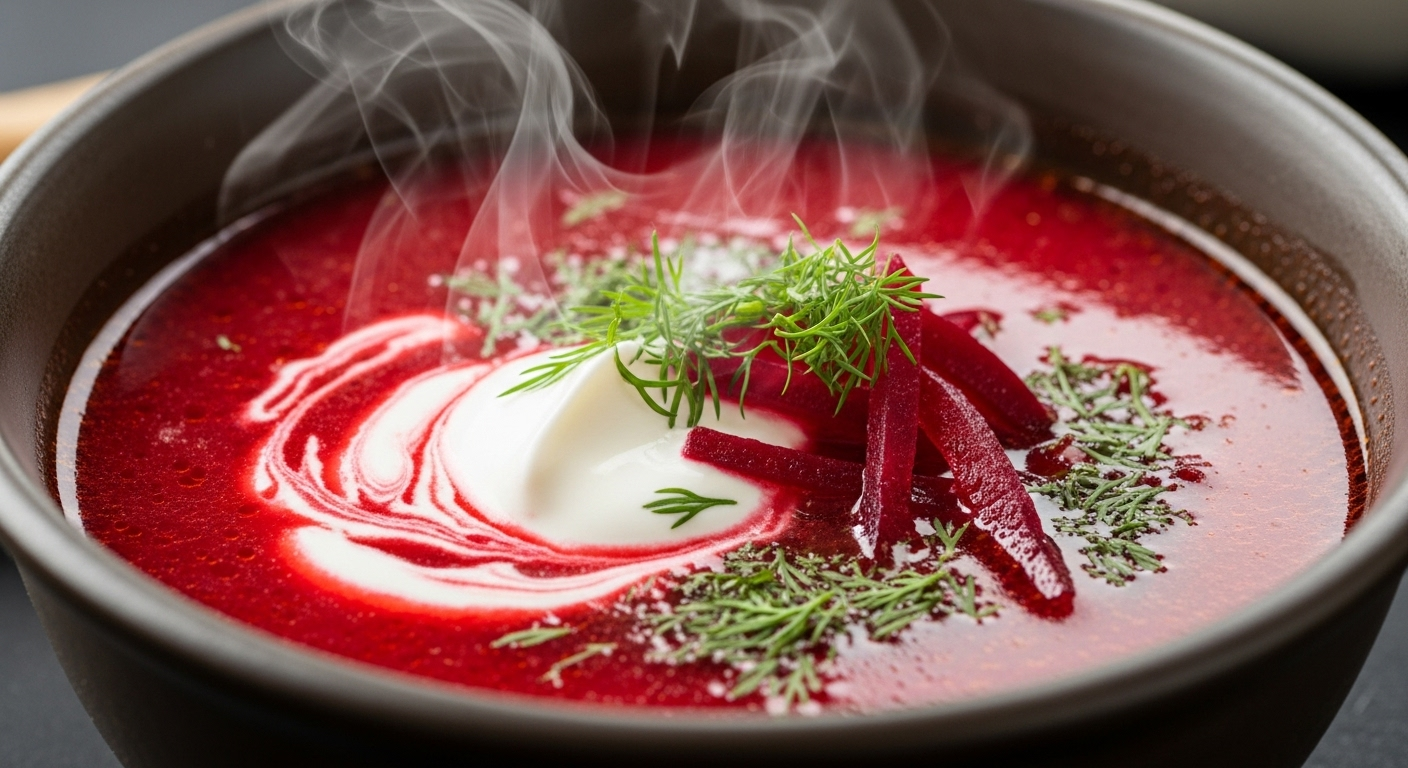
Beneath the vibrant crimson hue of a steaming bowl lies more than just a comforting meal; it’s a timeless story steeped in culture,history,and tradition.Classic Russian beetroot soup, known as borscht, has long enchanted palates across continents, its rich flavors weaving together earthy beets, tangy vinegar, and fragrant herbs into a harmonious symphony. but what mysteries lie behind this iconic dish? In this article, we embark on a flavorful journey to unveil the secrets of classic Russian beetroot soup – exploring its origins, the art of perfecting its delicate balance, and the cultural importance that has preserved its place at the heart of Russian cuisine for centuries. Prepare to dive deep into a bowl that is much more than just soup; it’s a vibrant testament to heritage and taste.
Unveiling the Secrets of Classic Russian Beetroot Soup brings you a flavorful journey into the heart of Russian culinary tradition. This rich and vibrant beetroot soup, known as borscht, has warmed generations with its deep, earthy color and a perfect balance of sweet and tangy notes. Originating from Eastern Europe and solidified as a staple in Russian homes, this soup carries a story of resilience, culture, and the simplicity of seasonal ingredients. My own memories of sharing a steaming bowl with family during cold winters are a testament to its timeless comfort and appeal.
Prep and Cook Time
- Preparation: 20 minutes
- Cooking: 1 hour 15 minutes
- Total Time: 1 hour 35 minutes
Yield
Serves 6 generously
Difficulty Level
Medium – Ideal for home cooks ready to explore authentic Eastern European flavors
Key Ingredients That Define Authentic Flavor
- 3 large beetroots (peeled and grated or thinly sliced)
- 1 medium onion, finely chopped
- 2 large carrots, grated
- 1 large potato, peeled and diced
- 1 small head of cabbage, shredded
- 4 cups beef or vegetable broth
- 2 tablespoons tomato paste
- 2 cloves garlic, minced
- 1 tablespoon apple cider vinegar (for that classic tang)
- 2 bay leaves
- Salt and freshly ground black pepper, to taste
- Fresh dill and parsley, finely chopped for garnish
- Sour cream, for serving
- Sunflower or vegetable oil for sautéing
Step by Step Guide to Perfecting your Borscht
- Prepare the beets: Start by peeling and either grating or julienning the beetroots. This will release their vibrant color and blend smoothly in the broth.
- sauté the vegetables: Heat 2 tablespoons of oil in a large pot over medium heat. Add the chopped onion and carrots, stirring untill softened and fragrant, about 5 minutes.
- Add the beets and tomato paste: Stir in the beets and tomato paste, cooking for an additional 7 minutes. This brings out the natural sweetness and deepens the soup’s color.
- Simmer the broth: Pour in the broth and bring to a gentle boil. Add the diced potatoes, bay leaves, and salt. Reduce heat and simmer until potatoes are tender, about 20 minutes.
- Incorporate the cabbage: Add the shredded cabbage and cook for another 10-15 minutes until soft but not mushy.
- Finalize with seasoning: Stir in the minced garlic and apple cider vinegar to balance the flavors with a subtle tang. Adjust salt and pepper according to your palate.
- Rest before serving: Turn off the heat and let the soup rest covered for 10 minutes. This resting period helps deepen the flavors.
Expert Tips for Serving and Pairing Your Soup
serve your borscht steaming hot, adorned with a generous dollop of sour cream which beautifully mellows the earthy beets. Sprinkle freshly chopped dill and parsley for an aromatic finish.A side of warm rye bread or traditional garlic pampushki (Ukrainian garlic buns) enhances the experience, allowing you to savor each spoonful. For beverages, pair with a chilled glass of dry red wine or a crisp Latvian rye kvass for authenticity.
Chef’s Notes and Tips for success
- For a richer broth, use homemade beef stock, or for a vegetarian option, a robust vegetable stock infused with dried mushrooms adds depth.
- Roasting the beets before adding them intensifies sweetness and color, though raw grated beets provide a fresher, brighter flavor.
- Adjust the vinegar carefully – it is essential for achieving the classic borscht tang, but too much can overpower the soup.
- Borscht develops even more flavor when made a day ahead,so consider preparing it in advance.
- Leftovers reheat beautifully and the soup often tastes better the next day as flavors meld.
Nutritional Information per Serving
| Calories | Protein | Carbohydrates | Fat |
|---|---|---|---|
| 180 kcal | 5 g | 32 g | 4 g |

For more about traditional Eastern European dishes, explore our Authentic Russian Recipes. To deepen your understanding of beetroot’s health benefits,visit Healthline’s extensive guide.
Q&A
Q&A: Unveiling the Secrets of Classic Russian Beetroot Soup
Q1: What exactly is classic Russian beetroot soup?
A1: Classic Russian beetroot soup, known as borscht, is a deeply flavorful, vibrant red soup that combines humble ingredients like beets, cabbage, potatoes, and sometimes meat or bone broth.It’s a culinary treasure of Eastern Europe, beloved for its earthy sweetness and satisfying warmth.
Q2: Why is borscht so iconic in Russian culture?
A2: Borscht isn’t just a soup-it’s a symbol of home, family, and tradition. Passed down through generations, it embodies the resilience and resourcefulness of Russian kitchens, where seasonal vegetables are transformed into a heartwarming meal that unites people around the table.
Q3: What makes the beetroot the star ingredient?
A3: Beets bring that unmistakable deep crimson hue and a natural sweetness that balances the soup’s acidity and savoriness. Their earthy flavor grounds the dish, while their vibrant color makes borscht visually stunning-a feast for the eyes as much as the palate.
Q4: Are there regional variations of borscht within Russia?
A4: Absolutely! From the addition of kidney beans or smoked meats to the use of sour cream or fresh dill as a garnish, every Russian household has its own twist.Some regions add tomatoes for acidity, while others prefer a clear broth.This diversity reflects Russia’s vast geography and rich culinary mosaic.
Q5: How is the classic borscht traditionally prepared?
A5: the process is an art in itself: slow-cooked broth forms the flavorful foundation, to which sautéed beets, cabbage, carrots, and onions are added. Often, garlic and vinegar are stirred in last to brighten the flavors. The soup is usually served hot, topped with a dollop of sour cream and a sprinkle of fresh herbs.
Q6: Can borscht be enjoyed any time of year?
A6: Indeed! While traditionally a warming winter dish, borscht also shines as a cold, refreshing soup in summer. Whether steaming hot or chilled, its complex flavors adapt beautifully to the seasons.
Q7: What secrets can home cooks uncover to perfect their borscht?
A7: The magic lies in balance and patience. Roast or sauté your beets before adding to deepen their flavor. don’t rush the simmering-it allows the flavors to marry and the soup to develop its signature depth. And never underestimate the power of a splash of vinegar or a fresh herb garnish to brighten the bowl.
Q8: Is borscht healthy, or just hearty comfort food?
A8: Both! Bursting with antioxidants, vitamins, and fiber from the beets and vegetables, borscht is a nourishing choice. The addition of lean meats or beans boosts protein, making it a wholesome, balanced meal that feeds body and soul alike.
Q9: How can someone new to Russian cuisine approach making borscht?
A9: Start simple-focus on fresh ingredients and patience. Trust in the layered flavors that build as the soup simmers. And remember,every pot of borscht tells a story-yours will be uniquely delicious.
Q10: Where can one experience authentic borscht beyond the kitchen?
A10: From family-run Russian restaurants to cultural festivals, borscht offers a taste of history and heritage. Sampling it in its native context enriches the experience-each spoonful is a journey into russian tradition and hospitality.
To Wrap It Up
As the final ladle of borscht is savored, we uncover more than just a soup-we unveil a tapestry woven with centuries of Russian history, culture, and culinary artistry. This humble beetroot broth, vibrant in color and rich in flavor, serves as a delicious bridge connecting past traditions with modern-day tables. Whether enjoyed hot or cold, with a dollop of sour cream or a hint of fresh dill, classic Russian beetroot soup invites us to experience the warmth of a nation’s heritage in every spoonful. So next time you stir a pot of borscht,remember: you’re not just cooking a meal-you’re partaking in a timeless story that continues to nourish both body and soul.