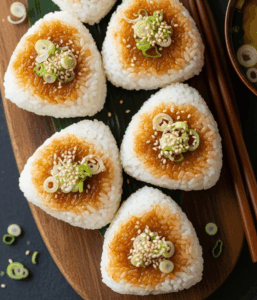

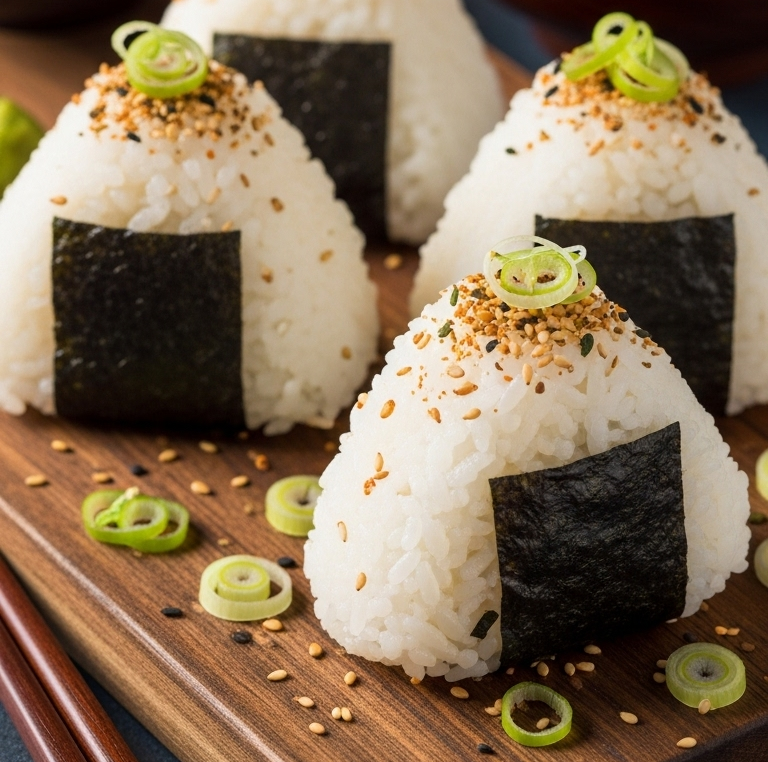
In the bustling streets of Japan, amid the neon glow and the hum of daily life, lies a humble culinary icon that has been delighting taste buds for centuries: the onigiri. Ofen overlooked in the shadow of sushi and ramen, this simple rice ball holds a treasure trove of history, culture, and flavor wrapped within its triangular form. “Onigiri Unwrapped: Japan’s Beloved Rice Ball Tradition” invites you to peel back the layers of this beloved snack, exploring its origins, the artistry behind its making, and the reasons why it continues to capture the hearts of locals and travelers alike.Join us on a journey through rice, seaweed, and savory fillings as we uncover the story behind Japan’s most cherished portable meal.
Onigiri Unwrapped: Japan’s Beloved Rice Ball Tradition offers a deep dive into one of Japan’s most cherished culinary treasures. thes simple yet evocative rice balls have woven themselves into the fabric of Japanese culture,bringing together centuries-old traditions and heartwarming family memories. From humble roadside snacks to lovingly prepared lunchbox staples,onigiri encapsulates both nourishment and nostalgia in every bite.
Prep and Cook Time
- Preparation: 20 minutes
- Cooking: 30 minutes
- Total Time: 50 minutes
Yield
- Makes 8 customary onigiri rice balls
Difficulty Level
- Medium
ingredients
- 2 cups Japanese short-grain rice (rinsed and drained)
- 2 1/2 cups water
- 1 teaspoon salt
- 1 sheet nori (seaweed), cut into 8 strips
- Filling options (choose one or mix):
- 100g cooked salmon flakes seasoned with a pinch of salt
- 3 tablespoons umeboshi (pickled plum) paste
- 1/4 cup kombu tsukudani (simmered kelp)
- 2 tablespoons toasted sesame seeds
- Optional: soy sauce or furikake for sprinkling
Instructions
- Cook the rice: In a rice cooker or pot, combine rinsed rice and water. cook until tender and fluffy, approximately 20 minutes. Let rice rest covered for 10 minutes to steam.
- Season and cool: Transfer cooked rice to a large bowl. Gently mix in salt while fanning the rice to cool it to body temperature – this ensures ideal texture for shaping.
- Prepare fillings: Divide chosen fillings into small balls approximately 1 tablespoon each. Keep ready on a clean plate.
- Shape the onigiri: With slightly damp hands, scoop about half a cup of rice. Flatten it into a round disc in your palm, place filling in the center, and carefully fold the rice over to encase it.
- Mold firmly: Press gently but firmly into a triangular or oval shape, ensuring the filling stays enclosed. Avoid overpacking,which can make the onigiri dense.
- Wrap with nori: Wrap a strip of nori around the base or halfway around the onigiri. This keeps your hands clean and adds crisp umami flavor once crisped.
- Repeat: Continue shaping and filling remaining rice until all is used.
- Optional finishing: Brush lightly with soy sauce or sprinkle furikake seasoning for extra savory depth.
Chef’s Notes: Tips for Success
- Use freshly cooked, warm rice to ensure the grains stick just right without becoming mushy.
- keep a small bowl of salted water nearby to wet your hands before shaping; this minimizes sticking and seasons the rice surface beautifully.
- For a vegan twist, try fillings like pickled vegetables or sautéed shiitake mushrooms marinated with soy and mirin.
- To prep ahead,shape onigiri without nori,wrap tightly in plastic wrap,and refrigerate. Apply fresh nori strips just before serving to maintain crispness.
- Experiment with simple flavor combinations like miso-glazed eggplant or spicy tuna mayo for more modern takes.
Serving Suggestions
Present onigiri on a rustic wooden board or traditional lacquered dish, garnished with a sprinkle of toasted sesame seeds and thinly sliced scallions for a color contrast. Pair with a side of pickled radish and a steaming bowl of miso soup for an authentic experience. For picnics or lunchboxes, include a small container of soy sauce for dipping and a handful of edamame beans to round out the meal.

| Nutritional Info (per onigiri) | Amount |
|---|---|
| Calories | 180 kcal |
| Protein | 4 g |
| Carbohydrates | 38 g |
| Fat | 1 g |
Exploring Regional Variations with Onigiri Unwrapped: Japan’s Beloved Rice Ball Tradition
The true magic of onigiri shines through the rich tapestry of Japan’s regional specialties. In the coastal northern prefectures, you’ll find onigiri stuffed generously with freshly grilled salmon or salted cod roe, reflecting the abundance of seafood. meanwhile, the Kansai region prefers lightly seasoned fillings, highlighting subtle umami flavors like kombu (kelp) or pickled plum. Southern islands may incorporate unique ingredients such as Okinawan pork or spiced miso paste, transforming the rice ball into distinct local treasures.
By referencing the [Japanese ministry of Agriculture’s cultural resources](https://www.maff.go.jp/e/index.html), you’ll discover just how onigiri serves as a cultural lens – illustrating regional identity while connecting communities through food. The variations you create at home can pay homage to this tradition or boldly forge your own path within the diverse spectrum of tastes.
Ready to dive even deeper into Japanese flavors? Check out our Authentic Miso Soup Recipe for the perfect complementary dish to elevate your next onigiri meal.
Q&A
Q&A: Onigiri Unwrapped – Japan’s Beloved Rice Ball Tradition
Q1: What exactly is Onigiri?
A1: Onigiri, often called Japan’s rice ball, is a simple yet iconic snack made from seasoned or plain white rice shaped into triangles, spheres, or cylinders. Usually,it contains a savory filling wrapped inside and often is partially covered with a crisp sheet of nori (seaweed). It’s a lunchtime hero, a comforting snack, and a cultural symbol all wrapped into one.
Q2: How far back does the tradition of Onigiri date?
A2: Onigiri’s roots stretch back over a thousand years to Japan’s Heian period (794-1185).Samurai carried these portable rice balls as battlefield rations, and as then, onigiri has evolved from practical fuel to a beloved comfort food found in convenience stores, home kitchens, and even high-end restaurants today.
Q3: What makes Onigiri different from sushi?
A3: Though both center around rice, onigiri and sushi have distinct personalities.Sushi involves vinegared rice meticulously paired with raw or cooked fish and other toppings, while onigiri uses plain or lightly salted rice shaped around a filling, wrapped in nori for easy handling. Where sushi rides a wave of sophistication, onigiri revels in simplicity and portability.
Q4: What are the traditional fillings inside Onigiri?
A4: Classic fillings are a flavorful mix-think salty umeboshi (pickled plum) that packs a tangy punch, savory salted salmon flakes, and kombu seaweed simmered in soy sauce.These fillings offer bursts of umami and nostalgia, each bite conjuring memories of home-cooked meals and picnics under cherry blossoms.
Q5: Is Onigiri just a snack or does it have cultural importance?
A5: Onigiri is much more than a quick bite; it’s a culinary emblem of care and simplicity. Making onigiri is an act of love-parents prepare them for school lunchboxes, and travelers tuck them into backpacks for adventures. Beyond nourishment, onigiri embodies the spirit of ‘omotenashi’-Japanese hospitality and thoughtful kindness-wrapped in a rice ball.
Q6: How is Onigiri made without it falling apart?
A6: The secret lies in both tradition and technique. Slightly warm, sticky short-grain rice is gently but firmly pressed into shape to hold fillings without squashing the grains. The nori wrapping acts like edible packaging, providing structure and a grip to keep everything intact.It’s an art form perfected over generations, balancing firmness and tenderness.
Q7: Has modern culture influenced Onigiri?
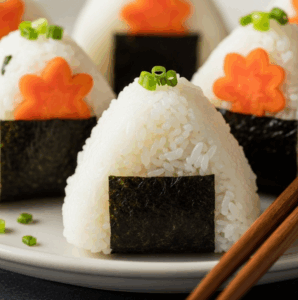
A7: Absolutely! Onigiri today wears many hats-from convenience store classics to gourmet innovations featuring everything from spicy tuna mayo to teriyaki chicken.Social media has transformed onigiri into a canvas for food artists, with cute shapes and colorful ingredients capturing hearts worldwide. Yet, at its core, the humble rice ball remains deeply rooted in tradition.
Q8: Where can someone outside Japan experience authentic Onigiri?
A8: Thanks to global interest,authentic onigiri has popped up in Japanese restaurants and specialty stores across the world. Some cities boast dedicated onigiri shops or stalls, while supermarkets with Asian sections often carry ready-to-eat versions. Trying your hand at homemade onigiri can also be a fun cultural experiment-requiring just rice, fillings, and a bit of love.
Q9: Why does Onigiri continue to captivate so many people?
A9: Onigiri’s charm lies in its perfect marriage of simplicity, versatility, and heartwarming nostalgia. It’s a portable comfort food that tells a story of heritage, care, and everyday joy. Every bite transports you to a moment-whether a bustling city lunch break or a tranquil countryside picnic-making onigiri an eternal favorite in Japan and beyond.
the Conclusion
As the last grain of rice settles and the flavors of seaweed, pickled plum, or savory salmon linger on the palate, onigiri reveals itself as more than just a humble snack. It is a culinary emblem-a hand-held story woven through centuries of Japanese culture, craftsmanship, and comfort. Whether wrapped in crisp nori from a convenience store shelf or lovingly molded by a grandmother’s hands, each onigiri carries the warmth of tradition and the simplicity of home. So next time you unwrap this beloved rice ball, remember: you’re not just tasting a snack, but savoring a vibrant piece of Japan’s enduring heritage.