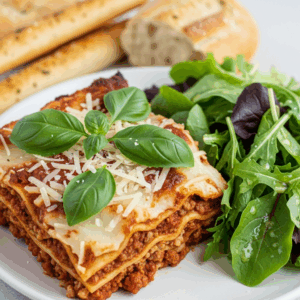

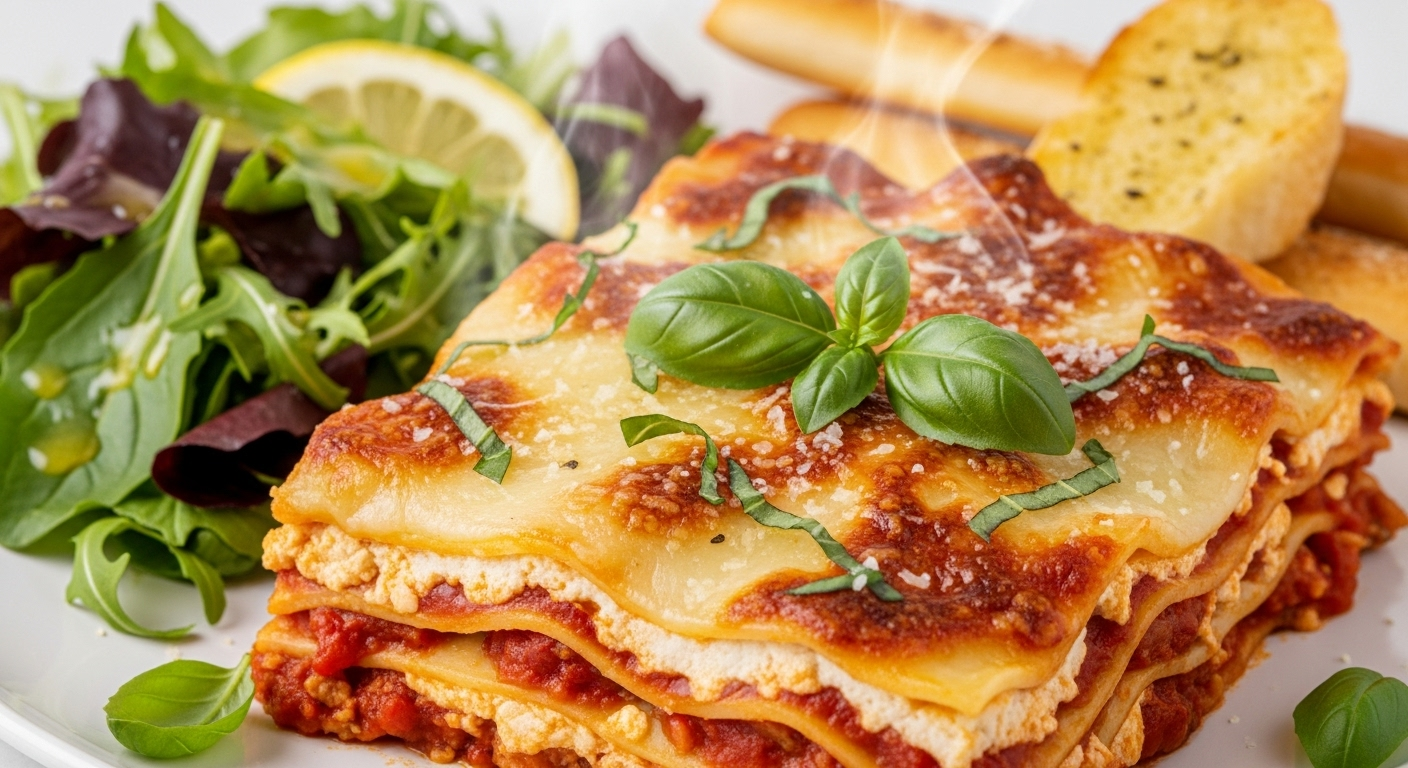
There’s something irresistibly comforting about a steaming, golden-bubbled pan of lasagna-each layer a harmonious blend of rich marinara, creamy béchamel, tender pasta sheets, and melted cheese that melts effortlessly into one another. Crafting the perfect homemade lasagna is both an art and a joyful culinary adventure, inviting cooks to build flavors, textures, and aromas that dance together in every bite.In this article, we’ll peel back the layers of this classic Italian favorite, exploring tips, techniques, and secrets to help you create a layered delight that’s as rewarding to make as it is to savor. Whether you’re a seasoned kitchen maestro or a curious beginner,get ready to transform simple ingredients into a show-stopping feast that’s sure to impress at every table.
Layered Delight: Crafting the Perfect Homemade Lasagna
Layered Delight: Crafting the Perfect Homemade Lasagna is not just a meal; it’s a culinary journey through Italy’s rich traditions and flavors. This classic dish layers tender pasta sheets with savory meat sauce, creamy béchamel, and a blanket of melted cheese, delivering a comforting experience that enthralls the senses. Whether served at a family gathering or a cozy dinner, mastering this dish brings warmth and satisfaction to any table.
Prep and Cook Time
- Preparation: 30 minutes
- Cooking: 1 hour 15 minutes
- Total Time: 1 hour 45 minutes
Yield
Serves 8 generous portions
Difficulty Level
Medium – Perfect for those ready to elevate their home cooking with rewarding techniques
Ingredients
- 12 lasagna noodles, cooked al dente (follow package instructions)
- 1 lb ground beef, preferably grass-fed
- 1/2 lb Italian sausage, casings removed
- 1 medium onion, finely chopped
- 3 cloves garlic, minced
- 28 oz crushed San Marzano tomatoes (or yoru favorite high-quality canned tomatoes)
- 2 tbsp tomato paste
- 1 cup dry red wine (optional, but adds depth)
- 1 tsp dried oregano
- 1 tsp fresh basil leaves, chopped
- Salt and freshly ground black pepper, to taste
- 1/4 cup extra virgin olive oil
- 3 cups whole milk
- 4 tbsp unsalted butter
- 1/4 cup all-purpose flour, sifted
- Pinch of freshly grated nutmeg
- 1 ½ cups ricotta cheese
- 2 cups shredded mozzarella cheese
- 1 cup grated Parmigiano-reggiano
Instructions
- Prepare the sauce: In a large skillet, heat the olive oil over medium heat. Add the chopped onion,sautéing until translucent,about 5 minutes. Stir in the garlic and cook until fragrant, around 1 minute.
- Brown the meats: Add the ground beef and Italian sausage to the skillet. Cook, breaking the meat apart with a wooden spoon, until browned and no longer pink, about 8 minutes. Drain excess fat if necessary.
- Deglaze and simmer: Pour in the red wine, scraping the pan’s bottom to release browned bits.Let it reduce for 3-4 minutes. Stir in crushed tomatoes, tomato paste, oregano, and basil. Season with salt and pepper.lower the heat and simmer uncovered for 25-30 minutes, stirring occasionally.
- Make the béchamel sauce: In a separate saucepan, melt butter over medium heat. Whisk in the sifted flour to form a smooth paste; cook for 2 minutes, stirring constantly to avoid browning. Gradually whisk in milk, ensuring no lumps form. Cook until thickened and silky, about 5-7 minutes. Season with salt, pepper, and a pinch of nutmeg. Remove from heat.
- Cook the pasta: Prepare lasagna noodles according to package directions until al dente. drain and lay flat on a lightly oiled sheet to avoid sticking.
- Assemble the layers: Preheat oven to 375°F (190°C). In a greased 9×13 inch baking dish, spread a thin layer of meat sauce. Arrange 4 noodles in a single layer. Top with one-third of ricotta, spread béchamel sauce over, then sprinkle a third of mozzarella and Parmigiano-Reggiano. repeat layers twice more, finishing with a generous layer of mozzarella and Parmigiano-Reggiano.
- Bake: Cover the dish loosely with foil (to prevent the cheese from browning too quickly). Bake for 40 minutes. Remove foil and bake an additional 15 minutes or until the crust is golden and cheese bubbly and browned in spots.
- Rest before serving: Let the lasagna rest for at least 15-20 minutes to allow the layers to set and flavors to meld perfectly.
Tips for Success
- For extra richness, swap half of the whole milk with heavy cream in the béchamel sauce.
- Use fresh herbs where possible; they elevate flavor depth dramatically.
- Ensure the meat sauce is thick; a watery sauce will make the lasagna soggy.
- To speed up the process, assemble the dish a day ahead and refrigerate overnight – just add extra baking time if chilled.
- For a vegetarian option, swap meat with layers of grilled zucchini, eggplant, and mushrooms.
Serving Suggestions
Serve your layered delight lasagna with a crisp mixed green salad dressed lightly with lemon vinaigrette, . Garnish with fresh basil leaves and a light sprinkle of parmigiano-Reggiano to enhance aroma and presentation. A crusty artisan bread or garlic breadsticks complement this dish beautifully, soaking up any remaining sauce on the plate.

| Nutrient | Per Serving |
|---|---|
| Calories | 560 kcal |
| Protein | 38 g |
| Carbohydrates | 44 g |
| Fat | 28 g |
Looking for more recipes that celebrate Italian classics? Discover our classic Italian Dinners collection for inspiration. Learn more about authentic tomato varieties that make a difference in your sauces on the Britannica’s tomato profile.
Q&A
Q&A: Layered Delight – Crafting the Perfect Homemade Lasagna
Q1: What makes homemade lasagna different from store-bought or restaurant versions?
A: Homemade lasagna is a labor of love, allowing you full control over every layer-from the quality of your pasta sheets to the balance of cheeses, the richness of your sauce, and the freshness of your herbs. Unlike many store-bought or restaurant varieties, making it at home means tailoring every ingredient to your taste, resulting in a dish that’s uniquely yours-warm, comforting, and bursting with personalized flavor.
Q2: How do I choose the right pasta for lasagna? Should I use fresh or dry noodles?
A: Both fresh and dry pasta have their merits. Fresh pasta offers a tender, silky texture and cooks quickly, perfect if you want a delicate bite. Dry pasta adds structure and holds up well under hearty sauces. If you’re pressed for time, oven-ready no-boil sheets offer convenience without sacrificing taste. Whichever you choose,ensure your noodles are well-separated during assembly to avoid sticking.
Q3: What’s the secret to a perfectly balanced lasagna sauce?
A: The soul of any lasagna lies in its sauce. A harmonious blend of rich, slow-simmered tomato sauce, seasoned with garlic, onion, and fresh herbs, paired with a creamy béchamel or ricotta cheese layer, creates a luscious contrast. For an extra dimension, try layering in a bit of meat sauce or sautéed vegetables. The key is patience-letting your sauce simmer gently allows the flavors to deepen and meld beautifully.
Q4: How do I prevent my lasagna from becoming soggy?
A: Sogginess often creeps in when moisture isn’t managed well. To combat this, drain cooked meats and vegetables thoroughly and consider layering dry cheese (like Parmesan) to absorb excess liquid. Use sauce sparingly-enough to coat but not drown the noodles. Letting the assembled lasagna rest for 10-15 minutes after baking also helps the layers set, making serving cleaner and more satisfying.
Q5: Can I customize lasagna for dietary restrictions without losing its essence?
A: Absolutely! Lasagna is wonderfully adaptable. For gluten-free needs, select gluten-free pasta or thinly sliced vegetables like zucchini or eggplant as noodle substitutes. Dairy-free cheese alternatives and plant-based proteins can replace customary ingredients without sacrificing heartiness. Fresh herbs and spices remain your best allies to keep the dish vibrant and full of character regardless of modifications.Q6: How do I achieve that signature golden-brown, bubbly cheese topping?
A: The magic layer of melted, bubbling cheese is achieved by combining the right cheeses-mozzarella for stretchiness, Parmesan for nuttiness, and a bit of fontina or provolone for depth. During the last 10-15 minutes of baking, unfoil the lasagna and increase the oven temperature slightly or switch to broil (carefully!) to encourage browning without burning. This final flourish turns your dish into an irresistible layered delight.Q7: What’s the best way to store and reheat leftover lasagna?
A: Lasagna tastes even better the next day as flavors meld. Store leftovers tightly covered in the fridge for up to 3-4 days. When reheating, cover with foil and heat at 350°F (175°C) until warmed through to preserve moisture. For a quick fix, microwave individual portions with a damp paper towel over the top to keep it moist. Lasagna also freezes well-wrap it tightly and thaw overnight before reheating gently.
Q8: Any final tips for first-time lasagna makers?
A: Embrace the process! Take your time layering with intention and love. Don’t stress about perfection-every layer adds character. Use fresh, quality ingredients and taste as you go. and remember, the best lasagna is the one made with joy and shared with loved ones. Soon enough, you’ll be crafting your own signature recipe that turns classic comfort food into an unforgettable experience.
Future Outlook
As the final golden crust emerges from your oven,wafting scents of rich tomato,melted cheese,and tender pasta fill the air-a true testament to the art of layered delight. Crafting the perfect homemade lasagna is more than following a recipe; it’s a symphony of flavors and textures,patiently built one thoughtful layer at a time. With every slice, you’re not just serving a meal-you’re sharing a warm, comforting story that invites family and friends to gather around and savor the appetizing legacy you’ve created. So roll up your sleeves, embrace the process, and let your kitchen become a haven where tradition and taste come beautifully together, one luscious layer after another.