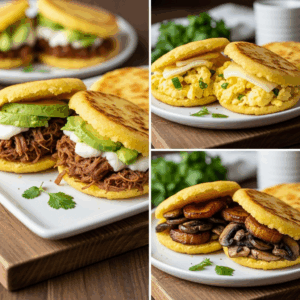

Cradled in the heart of Venezuelan culture lies a humble yet exceptional culinary treasure: the arepa. This golden, crispy cornmeal cake is far more than just a staple; it is a vibrant symbol of heritage, resilience, adn community. From bustling street corners to family kitchens, Venezuelan arepas have long been a beloved canvas for an array of savory and sweet fillings, each bite offering a flavorful journey through tradition. In this article, we delve into the rich history, cultural importance, and mouthwatering variations of Venezuelan arepas, inviting you to discover why this simple dish continues to capture hearts and taste buds around the world.
Venezuelan arepas are more than just a staple food; they represent a rich tapestry of history, culture, and culinary ingenuity rooted deeply in the heart of Venezuela.Originating from the indigenous peoples who lived around the Orinoco River centuries ago, arepas have evolved into a beloved dish that transcends social and regional boundaries. Their simple cornmeal dough forms the perfect canvas for a world of flavors,embodying comfort,community,and tradition in every warm,crispy bite.
Origins and Cultural Significance of Venezuelan Arepas
Venezuelan arepas date back to the pre-Columbian era,when native tribes first developed a method of grinding corn using stones and baking the dough as flat discs. These early staples symbolized survival and resourcefulness, adapting over hundreds of years through Spanish colonization and modern influences. Today, arepas hold a revered place in Venezuelan life-served at family breakfasts, street markets, and festive occasions alike. Each arepa reflects regional identity and pride, and sharing them is a gesture of warmth and hospitality.
Exploring Traditional Fillings and Regional Variations
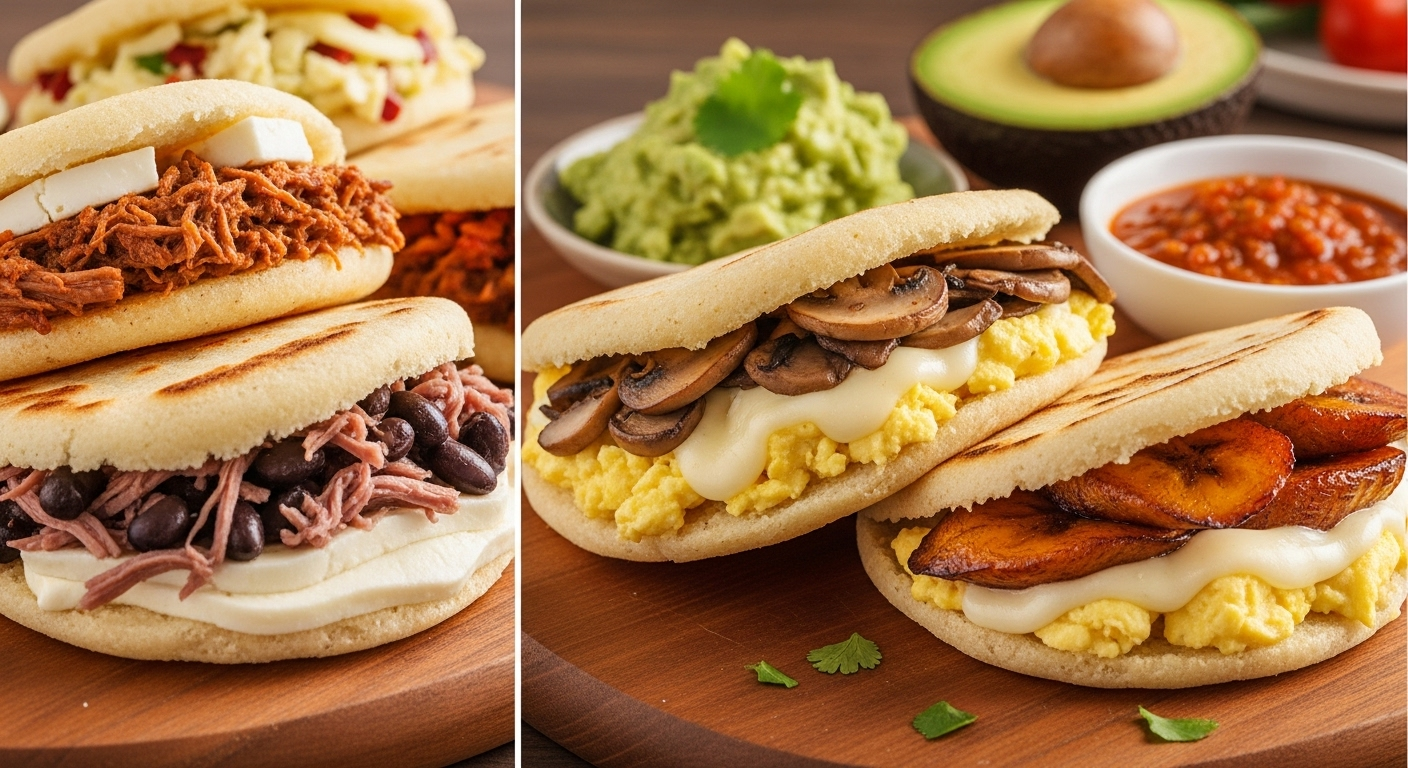
One of the most exciting aspects of Venezuelan arepas is the endless variety of fillings that reveal the countryS diverse culinary heritage. Classic fillings include Reina Pepiada-a creamy blend of shredded chicken, avocado, and mayonnaise; Carne Mechada, which features slow-cooked shredded beef in a savory tomato sauce; and black beans with cheese.Northern coastal regions favor fresh seafood or cheese-stuffed arepas, while in the Andean highlands, heartier meat-and-plantain combinations add a unique twist. This diversity allows you to personalize your arepas based on your favorite flavors and locally available ingredients.
Prep and cook Time
- Prep Time: 15 minutes
- Cook Time: 20 minutes
- Total Time: 35 minutes
Yield
Makes approximately 6 medium arepas (serves 3-4 people)
Difficulty Level
Easy to Medium – Perfect for beginners, with room to master techniques for an ideal crust and perfect filling
Ingredients
- 2 cups pre-cooked white cornmeal (Harina P.A.N. preferred)
- 2 1/2 cups warm water
- 1 teaspoon fine salt
- 1 tablespoon vegetable oil or melted butter
- Fillings of choice: shredded chicken,avocado,black beans,shredded beef,cheese (quantities to taste)
- Optional: butter for grilling
Step-by-Step Guide to Perfecting Your homemade Arepas
- Mix the dough: Combine the warm water and salt in a large bowl. Gradually add the cornmeal while stirring vigorously to avoid lumps. Allow the mixture to rest for 5 minutes; this allows the dough to hydrate fully.
- Knead gently: Use your hands to knead the dough for 2-3 minutes until smooth and pliable but not sticky. If the dough cracks when shaping, add a tablespoon of water.
- Shape the arepas: Divide the dough into 6 equal portions. Roll each into a ball and gently flatten into discs about 4-5 inches in diameter and 3/4-inch thick.
- pre-cook on stovetop: Heat a non-stick skillet or griddle over medium heat and lightly grease with oil. Cook the arepas for 4-5 minutes on each side until a golden crust forms.
- Bake or grill to finish: Transfer the arepas to a 350°F (175°C) oven and bake for 10 minutes,or alternatively,finish on a grill until they sound hollow when tapped. This ensures a crispy crust and moist interior.
- Slice and fill: Allow arepas to cool slightly, then carefully slice open with a serrated knife like a pocket. Spoon your favorite fillings inside, packing generously.
Top Tips for Pairing Arepas with Authentic Venezuelan Beverages
Complete your Venezuelan arepas experience by pairing them with traditional drinks that complement the corn’s subtle sweetness and rich fillings. Try Chicha Venezolana, a refreshing fermented rice and milk beverage lightly spiced with cinnamon. Another popular option is papelón con limón, a zesty raw sugar cane drink fused with fresh lime, perfect for balancing savory arepa flavors. For those seeking an energizing kick, a cup of strong Venezuelan coffee highlights the robustness of the meal without overpowering the delicate corn crust.
Chef’s Notes: tips for Success
- Dough consistency is key: Cornmeal quality varies, so adjust water little by little to achieve a malleable texture that doesn’t crack when shaped.
- Resting the dough: Don’t skip the resting phase; it ensures hydration and makes shaping easier.
- Cooking evenly: A combination of stovetop searing and oven finishing creates arepas with a perfect crust and tender interior.
- Fill creatively: Beyond traditional fillings, try scrambled eggs with cheese, sautéed mushrooms, or sweet plantains for diverse flavor experiences.
- Make ahead: Prepare dough and par-cooked arepas in advance; store refrigerated for up to 24 hours and finish cooking when ready to serve.
Serving Suggestions
Serve your Venezuelan arepas fresh and hot, sliced open and overflowing with colorful fillings. Garnish with fresh cilantro, thinly sliced red onions, or a drizzle of avocado crema for vibrant contrast. Pair with tangy pickled vegetables or a side of black beans to amplify textures and flavors.For a festive touch, arrange individual arepas on a wooden platter accompanied by small bowls of dipping sauces such as garlic aioli or spicy guasacaca.
| Nutrient | Per Arepa (Plain) | Per Serving (With Filling) |
|---|---|---|
| Calories | 150 | 350-450 |
| Protein | 3g | 15-25g |
| Carbohydrates | 32g | 40-50g |
| Fat | 1.5g | 10-20g (depending on filling) |
Discover more about traditional Venezuelan arepa fillings | Learn about the cultural history of arepas from Encyclopedia Britannica

Q&A
Q&A: Venezuelan Arepas – A Flavorful Taste of tradition
Q1: What exactly is an arepa?
A1: Think of an arepa as a golden, round canvas made from cornmeal dough-soft on the inside, slightly crispy on the outside. It’s a staple in Venezuelan cuisine, serving as both bread and plate, ready to be stuffed or topped with a myriad of appetizing fillings.
Q2: How did arepas become such an iconic part of Venezuelan culture?
A2: Arepas date back to the indigenous peoples of pre-Columbian Venezuela and colombia, where corn was a sacred crop. Over centuries, they evolved from a humble survival food into a cherished national symbol, woven into everyday life and festive occasions alike.
Q3: What makes Venezuelan arepas different from arepas found in other countries?
A3: While arepas are enjoyed across Latin America, the Venezuelan version is renowned for its fluffy texture and variety of fillings-including shredded beef, black beans, cheese, avocado, and the beloved “reina pepiada” (chicken mixed with avocado mayo). The use of fresh cornmeal and specific cooking methods also give Venezuelan arepas their signature bite.
Q4: How do you traditionally prepare an arepa?
A4: Traditionally, arepas are made by mixing precooked cornmeal (harina precocida), water, and a pinch of salt into a dough.The dough is shaped into thick discs and cooked on a griddle or skillet until golden brown on both sides. Some are then baked or grilled to perfect the texture, creating a pocket to stuff with your favorite fillings.
Q5: What are some must-try arepa fillings for first-timers?
A5: For anyone new to arepas, start with classic fillings like “Reina Pepiada” (chicken and avocado salad), “Carne Mechada” (shredded beef), “Queso” (fresh white cheese), or “Perico” (Venezuelan scrambled eggs with tomatoes and onions). Each bite offers a sweet, savory, or tangy explosion of flavors.
Q6: Can arepas be enjoyed beyond mealtime?
A6: Absolutely! In Venezuela,arepas are versatile and enjoyed at breakfast,lunch,dinner,and even as snacks. Their portability made them a favorite among street vendors and families on the go, symbolizing nourishment and community wherever they’re shared.
Q7: Why should food lovers explore Venezuelan arepas?
A7: Arepas are more than just food-they’re edible heritage. Every bite connects you to centuries of history, culture, and the vibrant spirit of Venezuela. They invite you to savor simple ingredients transformed into soul-satisfying comfort, making arepas a delectable gateway to authentic Venezuelan tradition.
Q8: Where can one find authentic Venezuelan arepas outside of Venezuela?
A8: Thanks to the global diaspora, Venezuelan areperas have popped up around the world-from bustling city food trucks to cozy neighborhood cafes. Look for spots that use fresh cornmeal and traditional cooking techniques, and don’t hesitate to ask for recommendations on their signature fillings!
Whether you’re a curious foodie or a cultural explorer, Venezuelan arepas offer a flavorful, warm invitation to taste a tradition that’s stood the test of time. Ready to take your palate on this vibrant journey? Grab an arepa and dive in!
The Way Forward
From the bustling streets of Caracas to your own kitchen, Venezuelan arepas invite you to savor a rich tapestry of culture, history, and flavor wrapped in golden, crispy pockets of cornmeal goodness. More than just a meal, arepas are a delicious bridge connecting generations, traditions, and communities-each bite telling a story of resilience and culinary artistry. So whether you choose to fill them with savory shredded beef, creamy black beans, or fresh cheese, embracing the arepa means embracing a flavorful taste of Venezuela’s heart and soul. As you explore this humble yet iconic dish, remember that every arepa is an invitation to experience a timeless tradition that continues to nourish both body and spirit.