
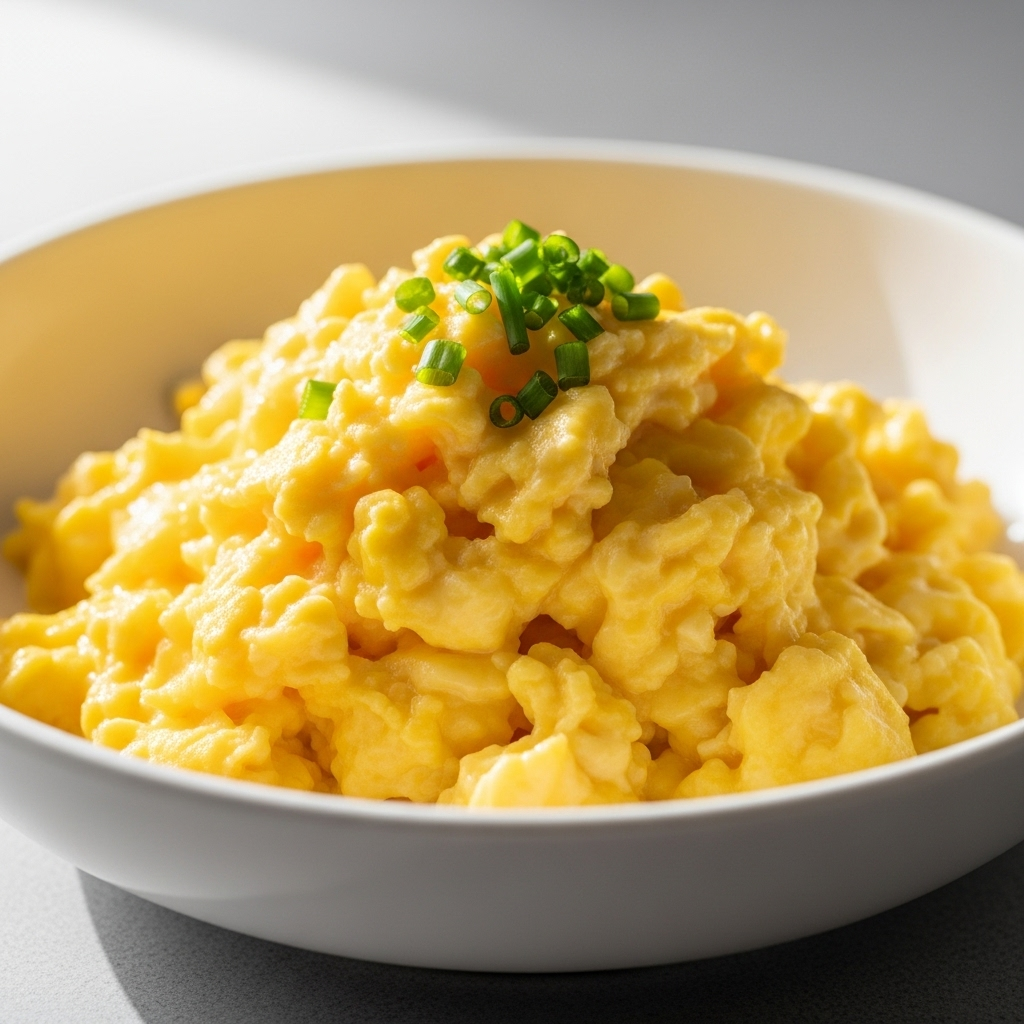
There’s something irresistibly comforting about a plate of perfectly scrambled eggs-soft, pillowy, and shimmering with just the right touch of creaminess. Yet, achieving that delicate balance between fluffiness and rich flavor often feels like a culinary enigma reserved for seasoned chefs. Fear not: mastering fluffy perfection is within your reach. In this ultimate scrambled eggs guide, we’ll crack open the secrets behind every stage-from choosing the freshest eggs to controlling heat and technique-transforming a simple breakfast staple into a morning masterpiece. Whether you’re an eager beginner or a kitchen veteran seeking to elevate your eggs, prepare to embark on a journey that will forever change the way you scramble.
Mastering fluffy perfection in scrambled eggs begins with understanding the delicate balance of science and art that creates their luscious texture and irresistible flavor.Every ingredient and technique plays a crucial role in transforming simple eggs into a creamy, cloud-like breakfast staple that delights the senses.
prep and Cook Time
- Preparation: 5 minutes
- Cooking: 7 minutes
- Total Time: 12 minutes
Yield
Serves 2 generously
Difficulty Level
Easy to Medium – perfect for home cooks eager to elevate their morning ritual.
Ingredients
- 4 large eggs, fresh and preferably organic
- 3 tablespoons whole milk or heavy cream for creaminess
- 1 tablespoon unsalted butter, room temperature
- Salt to taste (about ⅛ teaspoon)
- Freshly ground black pepper, to finish
- Optional: 1 tablespoon crème fraîche or sour cream for extra silkiness
Instructions
- Crack the eggs into a mixing bowl and add the milk or cream. The added fat and moisture create tiny steam pockets as the eggs cook, helping build that coveted fluffiness.
- Whisk vigorously until the mixture is homogenous and slightly frothy,incorporating air that contributes to lightness.
- Heat a non-stick skillet over low-medium heat and melt the butter gently. low heat is crucial-it prevents overcooking and preserves moisture.
- Pour the egg mixture into the pan. Allow it to set for a few seconds until the edges begin to firm slightly.
- Using a silicone spatula, gently stir the eggs in slow, intentional folds, pushing curds from the edges toward the center.Consistent, gentle folding ensures tender curds rather than rubbery clumps.
- When eggs appear creamy but still slightly wet, remove the pan from heat. Residual heat finishes the cooking, preserving a luscious, custardy texture.
- Season with salt and freshly ground pepper optimally at the end to avoid drawing out moisture prematurely.
- Transfer instantly to a warm plate to maintain their delicate texture and serve promptly.
Chef’s Notes: Tips for Success
- ingredient quality matters: Use the freshest eggs possible and rich dairy to maximize flavor and texture.
- Temperature control: Cooking on low heat is essential to prevent dry,tough eggs.
- Butter vs. oil: Butter adds richness and a slight nutty undertone; avoid vegetable oils which can alter flavor and texture.
- Optional cream additions: stir in crème fraîche or sour cream off the heat for decadent silkiness.
- Make ahead: Scrambled eggs are best fresh, but if necessary, keep warm in a double boiler and gently reheat with a splash of cream to revive creaminess.
- For visual appeal: Fold in finely chopped herbs like chives or parsley just before serving to add color and fresh aroma.
Serving Suggestions
Serve these fluffy scrambled eggs atop toasted sourdough or a buttery English muffin to create a hearty base. Garnish with microgreens or a sprinkle of smoked paprika for vibrant color and subtle complexity. pair with crisp asparagus or sautéed wild mushrooms for an elevated brunch experience.Drizzle a touch of truffle oil or add shaved aged cheese to transform every bite into a gourmet delight.

| Nutrition (per serving) | Calories | Protein | Carbs | Fat |
|---|---|---|---|---|
| Fluffy Scrambled Eggs | 280 kcal | 18 g | 2 g | 22 g |
For a deeper dive into perfect omelettes at home and other egg techniques, visit our related guide.
Discover the science behind egg proteins and their behavior during cooking from the Science History Institute to enrich your culinary knowledge.
Q&A
Q&A: Mastering Fluffy Perfection – The Ultimate Scrambled Eggs guide
Q: What’s the secret behind making scrambled eggs irresistibly fluffy?
A: The secret lies in a combination of gentle heat, constant movement, and patience. whisk your eggs vigorously to incorporate air, cook them slowly over low to medium heat, and keep stirring. this creates tiny, tender curds that give your scrambled eggs that coveted cloud-like fluffiness.
Q: Should I add milk or cream to my eggs?
A: Adding a splash of dairy like milk, cream, or even crème fraîche can enhance creaminess but doesn’t necessarily make your eggs fluffier. Too much liquid can make them watery. For fluffiness alone, focus on whisking well and controlling heat. Dairy contributes a silkier texture and richer taste.
Q: How vital is the pan and the cooking fat?
A: Very important! A non-stick skillet or a well-seasoned cast iron pan is your best friend. Butter is the classic choice-it adds flavor and helps prevent sticking. Heat the butter until it’s just melted and foamy before adding your eggs to ensure even cooking.
Q: Can I add ingredients like cheese, herbs, or vegetables without losing fluffiness?
A: Absolutely! Just be mindful of the timing. Fold in ingredients like cheese or herbs at the end of cooking to preserve that fluffy texture. Pre-cooked veggies can be added earlier, but avoid overloading the pan which might steam the eggs and weigh them down.
Q: What’s the ideal temperature for scrambling eggs?
A: Low and slow wins the race. Medium-low heat is perfect-too hot, and the eggs cook too quickly, turning rubbery and dry; too low, and they might take forever and lose their delicate texture.Think of it as gentle coaxing rather than a rapid sizzle.
Q: How do I know when my scrambled eggs are perfectly cooked?
A: Perfect scrambled eggs are soft, creamy, and slightly shiny-not dry or browned. Remove them from the heat when they’re still a little wetter than you want because they’ll continue cooking from residual heat. They should look luscious, like edible sunshine!
Q: Can I prepare scrambled eggs ahead of time?
A: for best fluffiness and texture, scrambled eggs are a made-to-order marvel. Though, if you must, warm them gently in the microwave or a double boiler and stir carefully. Keep in mind they won’t retain that fresh fluffy magic, but will still taste comforting.
Q: Any final pro tips for scrambling eggs like a breakfast maestro?
A: Use fresh eggs for the best flavor and color. Whisk until the mixture is uniform and slightly frothy. Don’t rush-scrambled eggs require love and patience. Experiment with adding a pinch of salt before cooking to break down proteins and enhance fluffiness. And most importantly-trust your instincts and enjoy the process!
With these insights, you’re now ready to unlock the fluffy paradise of scrambled eggs. happy whisking!
To Wrap It Up
As you whisk together the last folds of your fluffy masterpiece, remember that mastering scrambled eggs is as much an art as it is a science. With patience, the right technique, and a touch of creativity, those simple eggs transform into a luscious, cloud-like delight that elevates any breakfast table. So next time you crack a few shells, embrace the journey from ordinary to remarkable-because perfect scrambled eggs aren’t just a meal, they’re a moment of culinary magic waiting to happen. Your ultimate fluffy breakfast awaits!