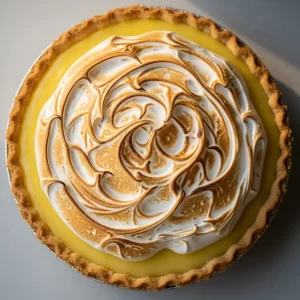


Ther’s a certain magic that happens when tangy lemon meets cloud-like meringue-a dance of flavors and textures that has captivated dessert lovers for generations. Lemon meringue pie, with its vibrant citrus zing and pillowy sweetness, is more than just a classic American treat; it’s a masterpiece born from both culinary artistry and scientific precision. In “Zesty Delight: The art and Science of Lemon Meringue Pie,” we explore the origins, techniques, and chemistry behind this beloved dessert, unraveling how each carefully crafted layer transforms simple ingredients into an unforgettable symphony of taste. Whether you’re a seasoned baker or a curious foodie, join us as we peel back the curtain on what makes lemon meringue pie a timeless delight.
Zesty Delight is an artful dance of bright citrus and delicate sweetness, and mastering the perfect lemon meringue pie is a rewarding culinary adventure. This classic dessert strikes an exquisite harmony between the tangy lemon custard and the pillowy, cloud-like meringue, all nestled atop a buttery, crisp crust that complements every bite. Inspired by my years of experiance as a Culinary Content Creator and Food Stylist, this recipe and guide will help you craft a visually stunning and irresistibly flavorful pie that dazzles both the eye and palate.
Prep and Cook Time
Readiness: 30 minutes | Cooking: 25 minutes | Cooling & Setting: 2 hours
Yield
serves 8 slices, ideal for sharing and celebrations.
Difficulty Level
Medium – Perfect for bakers ready to step up with precise techniques and rewarding results.
Ingredients
- For the crust:
- 1 ¼ cups all-purpose flour, sifted
- ½ cup unsalted butter, chilled and cubed
- 3 tbsp granulated sugar
- ¼ tsp salt
- 3-4 tbsp ice-cold water
- For the lemon custard:
- 1 cup granulated sugar
- 3 tbsp cornstarch
- 1 ½ cups water
- 3 large egg yolks, lightly beaten
- ⅓ cup fresh lemon juice (about 2 lemons)
- 1 tbsp lemon zest
- 2 tbsp unsalted butter
- For the meringue:
- 4 large egg whites, at room temperature
- ½ cup granulated sugar
- ¼ tsp cream of tartar
- 1 tsp vanilla extract
Instructions
- Prepare the crust: in a mixing bowl, combine sifted flour, salt, and sugar. Cut in the chilled butter with a pastry cutter or your fingertips until the mixture resembles coarse crumbs. Gradually add ice-cold water one tablespoon at a time until dough just holds together. Wrap in plastic and chill for 30 minutes.
- Blind bake the crust: Roll out chilled dough on a floured surface to fit a 9-inch pie pan. Gently press into pan,trimming the edges. Line pastry with parchment paper, fill with pie weights or dried beans. Bake at 375°F (190°C) for 15 minutes. Remove weights and parchment, bake 5-7 minutes more until golden and crisp. Cool completely.
- Make the lemon custard: In a medium saucepan,whisk together sugar and cornstarch. Slowly stir in water until smooth. Cook over medium heat,stirring constantly until mixture thickens and boils,about 5 minutes.
- Temper the egg yolks: Slowly pour about ½ cup of the hot lemon mixture into beaten egg yolks while whisking continuously. Then return yolk mixture to the saucepan. Reduce heat to low and cook 2 minutes more, stirring constantly until very thick.
- Add lemon flavor: remove custard from heat. Stir in lemon juice, zest, and butter until smooth and glossy. Pour into the baked crust and smooth the surface.
- Create fluffy meringue: In a clean bowl, beat egg whites with cream of tartar at medium speed until soft peaks form. Gradually add sugar, beating on high until stiff, glossy peaks develop. Beat in vanilla extract.
- Top and shape the meringue: Spoon meringue onto lemon filling, ensuring it touches the crust edges to seal. Use the back of a spoon to create dramatic peaks and swirls-these peaks will brown beautifully.
- Bake the pie: bake at 350°F (175°C) for 10-12 minutes or until meringue peaks turn golden brown. watch carefully as browning happens quickly.
- Cool and set: Allow pie to cool at room temperature for 1 hour, then chill in the refrigerator for at least 1 hour to perfect the texture.
Tips for Success
- Use fresh lemons and zest them before juicing for the brightest citrus aroma.
- Ensure the pie crust is fully cooled before adding custard to prevent sogginess.
- Whisk egg whites in a spotless, grease-free bowl-any fat prevents stiff peaks.
- Seal the meringue to the pie crust edges to avoid shrinkage during baking.
- For a deeper lemon flavor, add a teaspoon of lemon extract with the vanilla in the meringue.
- This pie tastes even better the next day, so consider preparing it a few hours ahead.
Serving Suggestions
Serve chilled slices on delicate white plates to highlight the vibrant lemon hue. garnish with fresh mint leaves and a light dusting of powdered sugar for a touch of elegance. For extra zest, pair with a dollop of lightly whipped cream infused with lemon zest.This dessert pairs wonderfully with a crisp glass of chilled Sauvignon Blanc or a bright green tea.

| Nutrient | Per Serving |
|---|---|
| Calories | 320 kcal |
| Protein | 5 g |
| Carbohydrates | 45 g |
| Fat | 12 g |
For a deeper dive into perfect pie crust techniques, explore our Perfect Pie Crust Guide. Additionally, discover expert tips on egg white science at Cook’s Illustrated.
Q&A
Q&A: Zesty Delight – The Art and Science of Lemon Meringue Pie
Q1: What makes lemon meringue pie such a beloved classic dessert?
A: Lemon meringue pie is a harmonious dance of tart, sweet, and airy textures.Its zesty lemon filling awakens the palate with bright citrus notes, while the fluffy, cloud-like meringue adds a soft, sugary finish. This balance of flavors and textures is both nostalgic and refreshing, making it a timeless favorite at family tables and fancy gatherings alike.
Q2: How does the chemistry behind lemon meringue pie work?
A: At its core,lemon meringue pie is a appetizing experiment in acid,sugar,and protein.The lemon filling’s acidity thickens under gentle heat, turning into a luscious curd thanks to the reaction between lemon juice, sugar, eggs, and cornstarch. Meanwhile, the meringue is a marvel of physics-beaten egg whites trap microscopic air bubbles, transforming liquid protein into a stable foam that browns beautifully under the broiler.
Q3: What’s the secret to achieving the perfect lemon curd?
A: Patience and temperature control are key. Cook the lemon filling slowly over low heat, whisking constantly, until it thickens without scrambling the eggs. Using fresh lemon juice and zest intensifies the vibrant citrus flavor. For extra silkiness, strain the curd before pouring it into the pre-baked crust to eliminate any lumps.
Q4: Why is pre-baking the crust critically important?
A: Pre-baking, or blind baking, ensures a crisp and sturdy base that won’t sog under the juicy lemon filling. The dry, hot oven sets the crust’s structure, giving it that delightful crunch that contrasts perfectly with the smooth lemon curd and fluffy meringue. Without this step, the crust would absorb moisture and become soggy-a pie’s greatest nemesis.
Q5: How can you tell when the meringue is done?
A: The meringue should be glossy, firm, and hold soft peaks before baking. After baking or broiling briefly, the top should turn a golden honey-brown, like the sun-kissed skin of a perfected soufflé. Avoid overbaking, as this can dry out the meringue, turning it crumbly rather than tender.
Q6: Any tips for preventing meringue from weeping or shrinking?
A: To minimize weeping, make sure the lemon filling is hot when you spread the meringue so it seals well to the edges. Also, fold in sugar gradually while beating the egg whites to create a stable structure. Baking the pie immediately after topping prevents separation, and serving within a day or two preserves its delightful texture.
Q7: Can lemon meringue pie be made ahead?
A: Yes, but with caveats.You can prepare the crust and lemon curd a day in advance and refrigerate them separately.Meringue is best added and baked just before serving to retain its airy texture. If storing after baking, keep the pie chilled and cover loosely to prevent condensation spoiling the meringue’s delicate crispness.
Q8: What variations can elevate the traditional lemon meringue?
A: Injecting creativity can turn this classic into a culinary adventure.Consider adding fresh berries to the filling for bursts of flavor, swapping lemon for lime or blood orange for a twist on citrus, or swirling in herbs like basil or mint for intrigue. For a richer experience, some bakers add a splash of limoncello to the curd or sprinkle toasted coconut atop the meringue.
Whether you’re a curious home baker or a flavor seeker, understanding the art and science behind lemon meringue pie unlocks new appreciation for this zesty delight. It’s a masterpiece where chemistry meets comfort-one golden slice at a time.
The Way Forward
As the final golden crust meets the lofty, cloud-like meringue, the humble lemon meringue pie transforms from a simple dessert into a symphony of textures and flavors-tartness balanced by sweetness, crispness harmonizing with melt-in-your-mouth softness. whether you’re a seasoned baker or a curious novice, understanding the delicate interplay between citrus acidity, sugar science, and meringue mastery opens a new appreciation for this timeless classic. So next time you slice into that zesty delight, savor not just the taste, but the artistry and chemistry that make lemon meringue pie a truly unforgettable experience.