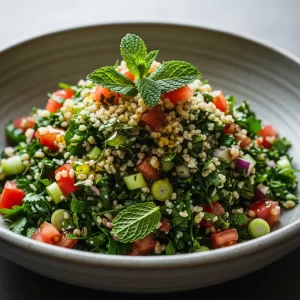

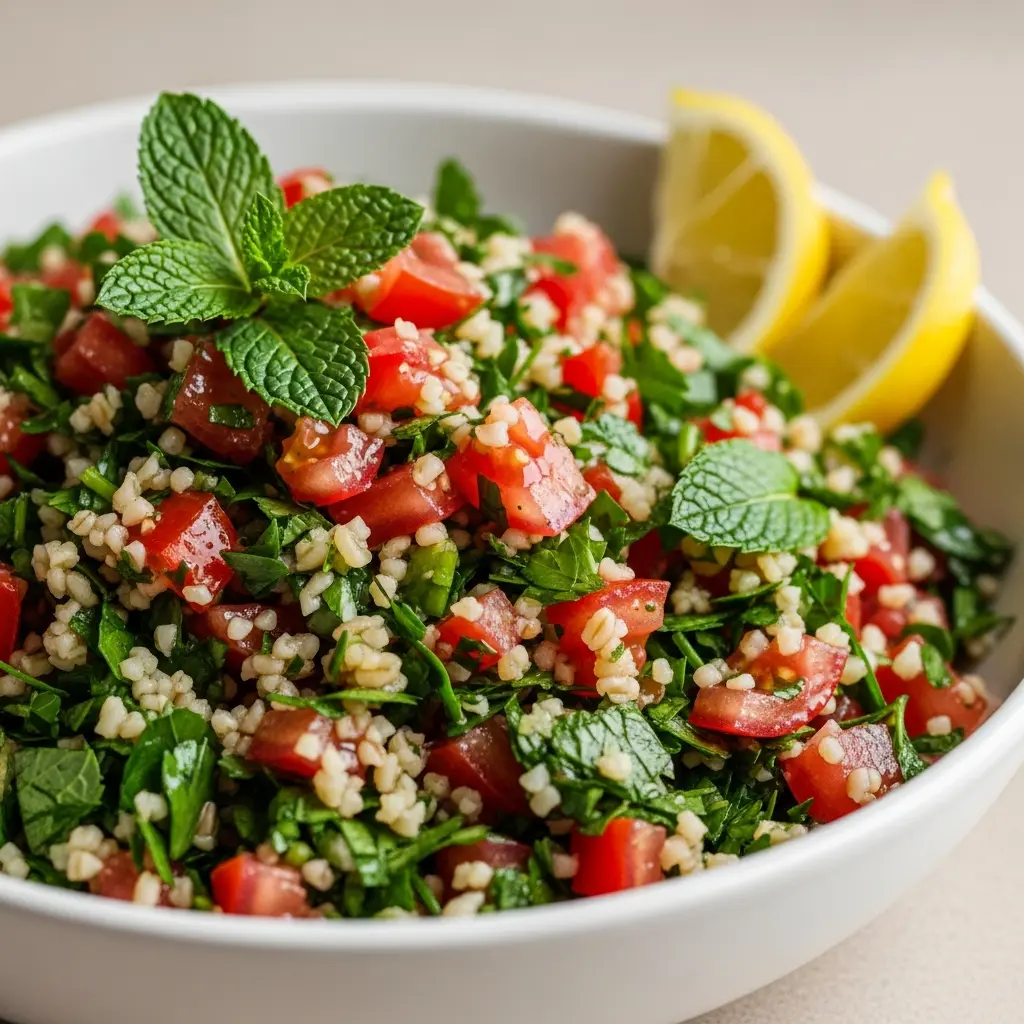
In the vibrant tapestry of Levantine cuisine, few dishes capture the essence of tradition and freshness quiet like tabbouleh. This humble salad, brimming with fragrant herbs, zesty lemon, and the wholesome crunch of bulgur, is more than just a side dish-its a celebration of a region’s rich cultural heritage and culinary artistry. Join us as we unveil the story behind tabbouleh,tracing its roots through ancient lands and exploring how this iconic blend of flavors continues to bring people together,one refreshing bite at a time.
Tabbouleh Unveiled: The Fresh Taste of Levantine Heritage
Tabbouleh Unveiled: The Fresh Taste of Levantine Heritage invites you on a sensory journey through the sun-drenched hills of the Levant, where this vibrant, herb-packed salad has been a staple on family tables for centuries. This dish bursts with freshness, marrying tangy lemon, fragrant parsley, and nutty bulgur-a combination that defines the heart of Levantine cuisine. My first taste of tabbouleh came at a bustling Beirut market, where the essence of a culture vibrantly lived in every bite.
Prep and Cook Time
- Preparation: 20 minutes
- Cooking: 5 minutes (to soak bulgur)
- Total Time: 25 minutes
Yield
Serves 4 as a refreshing appetizer or side dish
Difficulty Level
Easy – A simple blend of fresh ingredients for an impressive result
Key Ingredients That Define the Authentic Flavor Profile
- 1/2 cup fine cracked bulgur wheat, rinsed and drained
- 2 cups fresh flat-leaf parsley, finely chopped (stems removed for tenderness)
- 1/2 cup fresh mint leaves, finely chopped
- 3 medium ripe tomatoes, diced, seeds discarded
- 4 green onions, finely sliced
- Juice of 2 fresh lemons (approximately 1/3 cup)
- 1/4 cup extra virgin olive oil
- Salt and freshly ground black pepper, to taste
Step by Step Guide to Crafting the Perfect Tabbouleh at Home
- Prepare the bulgur: Rinse the bulgur under cold water and soak it in about 3/4 cup cold water until tender, about 5 minutes. Drain completely by pressing with the back of a spoon or using a fine mesh sieve.
- Chop the herbs: Using a sharp knife,finely chop the parsley and mint leaves. Remove parsley stems to avoid bitterness, but reserve the tender tops for extra flavor.
- Dice the vegetables: Carefully core and dice ripe tomatoes,discarding seeds to prevent excess water. Finely slice the green onions, both white and green parts, for crunch.
- Combine ingredients: In a large mixing bowl, gently toss the drained bulgur, chopped parsley, mint, tomatoes, and green onions until evenly distributed.
- Dress the salad: Immediately drizzle with fresh lemon juice and olive oil. Season with salt and black pepper, tasting as you go to find the perfect balance.
- Rest and meld flavors: Refrigerate the tabbouleh for at least 15 minutes before serving to allow the herbs to perfume the bulgur and tomatoes.
- Final toss and serve: Give the salad one last gentle toss and adjust seasoning if needed. Serve chilled or at room temperature for best flavor.
Chef’s Notes: Tips for Success
- Parsley is king: Choose fresh, vibrant parsley to ensure a bright, clean taste-the heart and soul of tabbouleh.
- Bulgur texture matters: Fine bulgur is traditional as it absorbs the lemon and oil without overpowering the herbs.
- Prevent sogginess: Drain bulgur well and remove tomato seeds to keep the salad crisp and refreshing.
- Make ahead: tabbouleh tastes even better after a few hours as flavors mingle. Store in an airtight container refrigerated up to 24 hours.
- Fresh lemons over bottled juice: Always opt for fresh lemon juice for its zesty brightness and authentic flavor.
innovative Twists and Serving Suggestions for Modern Palates
While the essence of the dish lies in its simplicity,modern twists can elevate your table. Consider adding diced cucumber for extra crunch, or a splash of pomegranate molasses for a hint of sweetness and tang. For a protein boost, serve tabbouleh alongside grilled halloumi or spiced chickpeas. This salad pairs beautifully with warm pita bread or as a vibrant topping for grilled fish or chicken kebabs.
For a visually stunning presentation, mound tabbouleh into small domes, garnish with pomegranate arils and a sprig of fresh mint. Drizzle an extra touch of olive oil at the table for added richness.
| Nutritional Info | Per Serving |
|---|---|
| Calories | 160 kcal |
| Protein | 4 g |
| Carbohydrates | 22 g |
| Fat | 7 g |
Explore More Middle Eastern Mezze Recipes
For a thorough history of Levantine cuisine, visit Britannica’s Levantine Culinary Tradition article.
Q&A
Q&A: Tabbouleh Unveiled: The Fresh Taste of Levantine Heritage
Q1: What exactly is tabbouleh?
A: Tabbouleh is a vibrant, refreshing Levantine salad that dances on your palate with a blend of finely chopped parsley, ripe tomatoes, bulgur wheat, mint, onions, lemon juice, and olive oil. It’s a celebration of freshness and simplicity, embodying centuries of Middle Eastern culinary tradition.
Q2: Where does tabbouleh originate from?
A: Tabbouleh hails from the Levant-a historical region encompassing modern-day Lebanon, Syria, Jordan, and Palestine. It’s a staple of Levantine cuisine, cherished for its ability to bring families together around the table, savoring a taste that is as rich in culture as it is in flavor.
Q3: What makes tabbouleh so distinctive compared to other salads?
A: Unlike many salads that rely mainly on leafy greens, tabbouleh’s star ingredient is finely chopped parsley-so much so that it almost becomes the base rather than an accent. This verdant herb infuses the dish with its fresh, slightly peppery essence, balanced perfectly by the tartness of lemon and the nuttiness of bulgur.
Q4: How is traditional tabbouleh prepared?
A: the magic of traditional tabbouleh lies in its technique and quality ingredients. Bulgur is soaked until tender, parsley and mint are minced to a delicate fine dice, and tomatoes are diced just right to keep the salad juicy yet light. Everything is gently tossed with fresh lemon juice, olive oil, and a pinch of salt, creating a harmony that feels both rustic and elegant.
Q5: Can tabbouleh be adapted for modern or dietary needs?
A: Absolutely! while the classic recipe uses bulgur wheat, variations now include quinoa or couscous for gluten-free options. Some modern twists even add pomegranate seeds for a burst of sweetness or substitute kale or spinach for parsley to introduce new textures, all without losing tabbouleh’s quintessential freshness.
Q6: Why has tabbouleh become so popular worldwide?
A: Beyond its tasty taste, tabbouleh’s rise owes much to its appeal as a healthful, plant-based dish brimming with vitamins, antioxidants, and fiber. It perfectly fits today’s global appetite for clean, vibrant foods that nourish body and soul while offering a glimpse into the rich tapestry of Levantine culture.
Q7: What occasions are perfect for serving tabbouleh?
A: Tabbouleh is incredibly versatile-it shines as a side dish alongside grilled meats and mezze platters, serves as a lively appetizer, or even stars as a light, standalone meal on warm days. Its fresh ingredients and bright flavors make it ideal for festive gatherings, picnics, or any time you crave a breath of Middle Eastern sunshine.
Q8: How does tabbouleh connect us to Levantine heritage?
A: Each bite of tabbouleh is a sensory journey into the heart of Levantine life-its communal meals, sun-soaked fields of herbs, and centuries-old recipes passed down through generations. It’s more than food; it’s a living legacy, nourishing both body and cultural identity, inviting us to partake in a tradition rooted in hospitality and nature’s bounty.
To Wrap It Up
As the vibrant flavors of tabbouleh continue to captivate palates around the world, this humble Levantine salad stands as more than just a dish-it is a living testament to a rich cultural heritage.Each sprinkle of parsley, every zest of lemon, and all the tender grains of bulgur tell a story steeped in tradition, community, and the joyous art of fresh, wholesome eating. By embracing tabbouleh,we not only savor a refreshing burst of taste but also honor the timeless legacy of the Levant.So next time you toss your greens and herbs, remember: you’re partaking in a culinary journey that has thrived across centuries, inviting us all to celebrate the enduring spirit of place, history, and flavor.