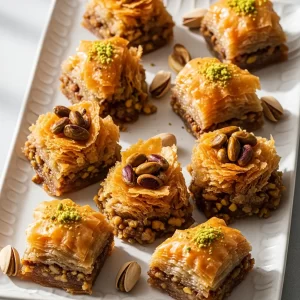

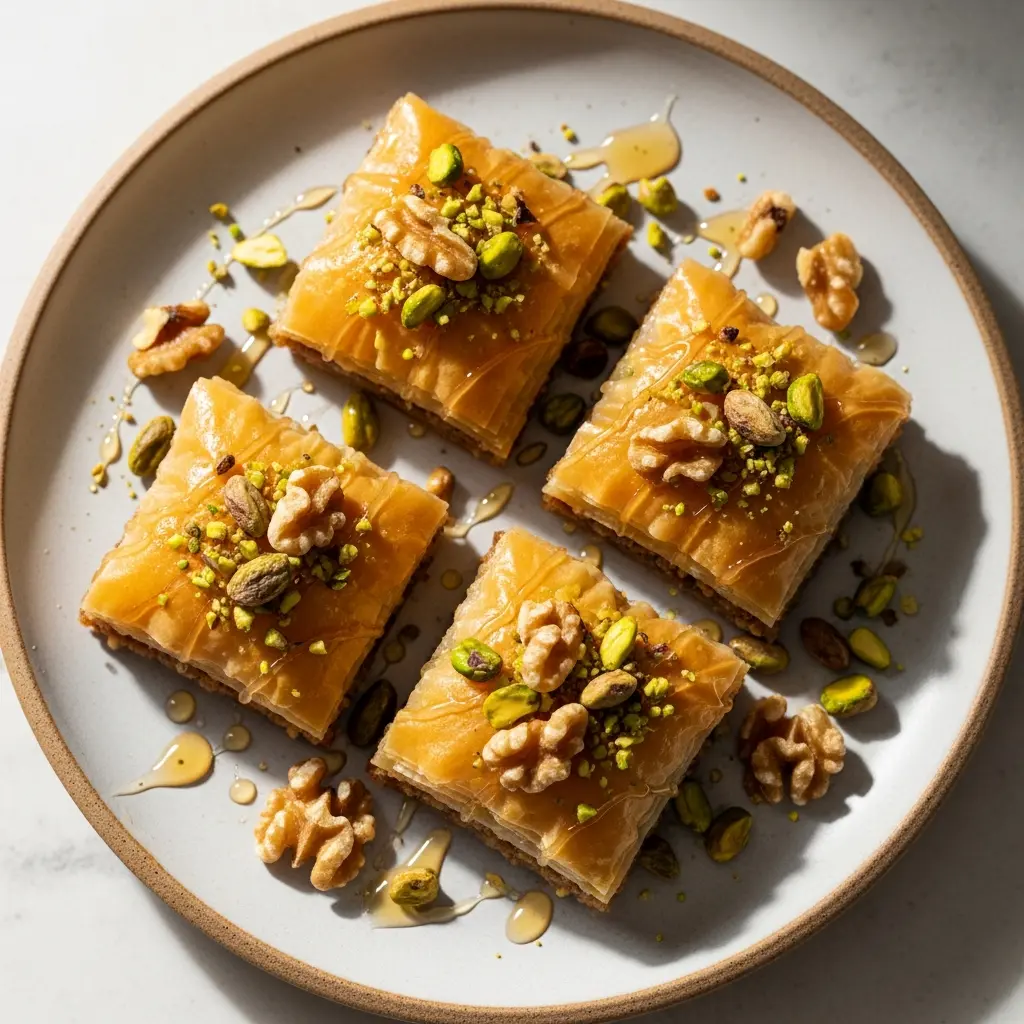
In the world of desserts, few confections boast a legacy as rich and layered as baklava. This sweet, flaky pastry-an artful tapestry of crisp phyllo dough, fragrant nuts, and honeyed syrup-has traveled through centuries and cultures, enchanting palates from bustling bazaars to elegant dining tables. But beyond its irresistible taste lies a story steeped in history,tradition,and culinary mastery. Join us as we unwrap the sweet layers of baklava, exploring the origins, ingredients, and techniques that make this timeless treat a beloved symbol of indulgence and heritage.
Baklava Unwrapped reveals a mesmerizing journey through the delicate layers and intoxicating flavors of one of the worldS most beloved desserts. From its rich heritage rooted in Ottoman palaces to its diverse adaptations spanning Greece, the Middle East, and beyond, this pastry embodies centuries of culinary artistry and cultural exchange.
Prep and Cook Time
- Preparation: 45 minutes
- Cooking: 50 minutes
- Cooling and Soaking: 2 hours (minimum)
Yield
Serves 12 generous portions
Difficulty Level
Medium – Requires patience and attention to layering technique but well worth the effort!
Ingredients
- 1 lb fresh phyllo dough (thawed if frozen)
- 1 1/2 cups unsalted butter, melted, plus extra for brushing
- 2 cups mixed nuts (traditionally walnuts, pistachios, and almonds), finely chopped
- 1 tsp ground cinnamon
- 1/4 tsp ground cloves (optional)
- 1 cup granulated sugar
- 1 cup water
- 1 tbsp fresh lemon juice
- 1 tbsp honey (preferably orange blossom or wildflower)
- 1 tsp pure vanilla extract
Instructions
- Preheat your oven to 350°F (175°C). Brush a 9×13-inch baking pan lightly with melted butter.
- Prepare the nut mixture: In a bowl, combine finely chopped nuts with cinnamon and ground cloves for an aromatic, warm flavor profile. Set aside.
- Layer the phyllo dough: Place one sheet of phyllo in the baking pan and brush with melted butter. Repeat layering and buttering 8 sheets, ensuring an even, delicate foundation.
- Add nuts: Evenly sprinkle about 3-4 tbsp of nut mixture over the layered phyllo sheets, gently pressing to adhere.
- Continue layering: Add 4 more sheets of phyllo, each brushed generously with butter, followed by another layer of nuts. Repeat until all nuts are used, finishing with a final top layer of 8-10 buttered phyllo sheets.
- Cutting: With a sharp knife, carefully cut the assembled baklava into diamond or square shapes prior to baking. This ensures clean slices after baking.
- Bake: place the baklava in the preheated oven for about 45-50 minutes,or until the top is golden brown and crisp.Avoid opening the oven frequently to maintain even baking.
- prepare syrup: While baking, combine sugar, water, lemon juice, and honey in a saucepan. Bring to a gentle boil and simmer for 10 minutes. Remove from heat and stir in vanilla extract.
- Soak baklava: once out of the oven, immediately pour the hot syrup evenly over the baklava, allowing it to seep into every flaky layer. Allow to cool and soak for at least 2 hours, or overnight for best results.
Tips for Success
- Phyllo handling: Keep sheets covered with a damp towel to prevent drying out during assembly.
- Butter submission: Don’t skimp-fully buttered layers yield that signature crisp, flaky texture.
- Nut variety: Customize your baklava with regional nuts like hazelnuts or pecans for new flavor twists.
- Syrup timing: Pour syrup while baklava is hot to allow absorption, enhancing moistness without sogginess.
- Make ahead: Baklava improves after resting, so prepare a day in advance for deeper flavor melding.
Serving Suggestions
Baklava unwrapped is stunning served slightly warm or at room temperature,paired elegantly with a small glass of mastic wine or robust Turkish coffee. Garnish each piece with a sprinkle of finely chopped pistachios or a delicate drizzle of rosewater-infused honey to amplify its floral notes. A side of lightly whipped mascarpone or Greek yogurt balances the sweetness while adding creamy contrast.
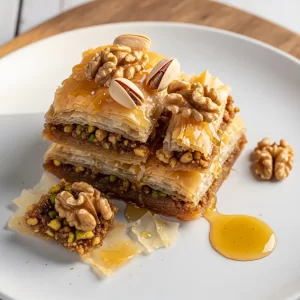
| Nutrient | Per Serving |
|---|---|
| Calories | 320 kcal |
| Protein | 5 g |
| Carbohydrates | 35 g |
| fat | 18 g |
Explore more traditional dessert recipes like Classic Middle Eastern Desserts to continue your culinary journey through the sweet layers of heritage and flavor.
Q&A
Q&A: Baklava Unwrapped – The Sweet Layers of a Timeless Treat
Q1: What makes baklava such an enduring dessert across cultures?
A: Baklava’s allure lies in its harmonious blend of textures and flavors-the crisp, flaky phyllo layers, the crunchy, honey-kissed nuts, and the syrupy sweetness all wrapped in one bite. This layered complexity resonates deeply, transcending borders and generations. It’s a dessert that tells a story of shared history and culinary artistry, making it timeless.
Q2: Where did baklava originate, and how has it evolved over time?
A: Baklava’s roots trace back to the ancient civilizations of the Middle East and Anatolia, though its exact birthplace remains beautifully debated. Over centuries, it evolved from simple honey-soaked pastries to intricate layers of phyllo dough with diverse nut fillings. Variations emerged across the Ottoman Empire,each culture adding its signature twist-be it pistachios in Turkey or walnuts in Greece.
Q3: What are the essential ingredients that define a classic baklava?
A: At its core, classic baklava is a marriage of thin, buttery phyllo sheets, a nutty filling (commonly pistachios, walnuts, or almonds), fragrant spices like cinnamon or cloves, and a luscious syrup made from honey, sugar, and sometimes a hint of citrus or rosewater. The balance of these elements creates its iconic taste and texture.
Q4: How is baklava traditionally prepared, and what secrets contribute to its perfect texture?
A: Patience is the secret ingredient. Each phyllo layer is carefully brushed with melted butter to achieve that golden crispness. The nuts are finely chopped and seasoned before layering. Once baked to a warm, flaky perfection, baklava is drenched in cool syrup, which seeps into every crevice without sogginess. Timing and temperature control ensure the dessert’s signature crispy yet moist harmony.
Q5: Why is baklava often associated with celebrations and hospitality?
A: Baklava embodies generosity and festivity. its rich, indulgent nature makes it a fitting centerpiece for special occasions-from weddings to religious festivals. Serving baklava is a warm gesture of welcome, symbolizing sweetness and abundance offered to guests. It’s more than dessert; it’s a cultural embrace.
Q6: Can baklava be reinvented for modern palates without losing its essence?
A: Absolutely! Contemporary baklava frequently enough experiments with choice nuts, infused syrups, or even chocolate layers, bringing fresh vibrancy while respecting tradition. Vegan versions replace butter and honey with plant-based alternatives, inviting new audiences to savor its layered magic. The key is preserving the delicate interplay of crispness and sweetness-the heart of baklava’s soul.
Q7: What’s the best way to enjoy baklava?
A: Baklava is best savored slowly, allowing your senses to unravel each layer. pair it with robust black tea, strong coffee, or even a floral dessert wine to elevate the experience. Whether celebrating with friends or enjoying a quiet moment, this timeless treat invites you to delight in the artistry of sweetness, one flaky bite at a time.
To Conclude
As the golden layers of baklava come together in perfect harmony, we glimpse more than just a dessert-we uncover a rich tapestry of history, culture, and craftsmanship folded into every flaky bite. From its ancient origins to its modern-day interpretations, baklava remains a timeless treat that continues to sweeten moments across the globe.So next time you savor its honeyed layers and crunchy nuts, remember: you’re not just enjoying a pastry-you’re partaking in a delicious tradition that has unraveled stories for centuries, one bite at a time.