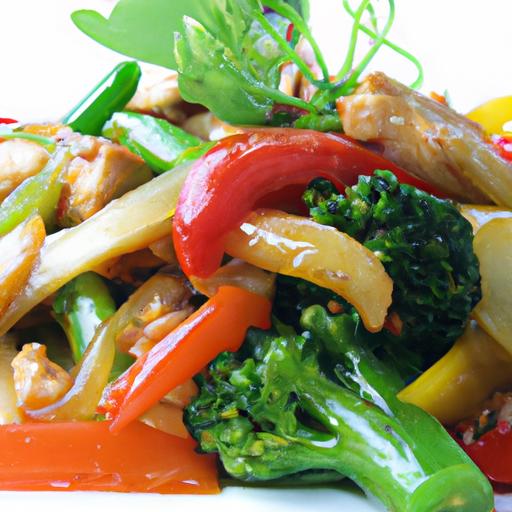

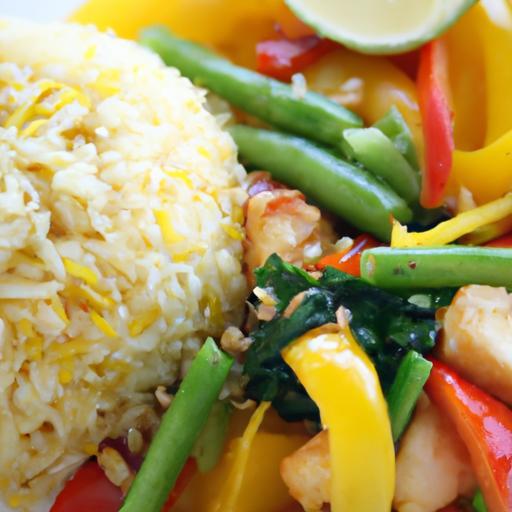
Step into a world where vibrant colors adn tantalizing aromas converge on your plate-welcome to the delightful universe of Buddha’s Delight stir-fry. This beloved dish, rich in both history and flavor, offers a harmonious blend of fresh vegetables, delicate textures, and subtle seasonings that celebrate the essence of mindful eating. Whether you’re a seasoned vegetarian or simply curious about expanding your culinary horizons, discovering the vibrant flavors of Buddha’s Delight promises not only a feast for the taste buds but also a glimpse into a timeless tradition of wholesome, plant-based cuisine. Join us as we explore the origins,ingredients,and secrets behind this aromatic stir-fry that has captivated palates across cultures and generations.
Discover the vibrant flavors of Buddha’s Delight brings together an extraordinary medley of textures, tastes, and traditions that celebrate the essence of Asian vegetarian cooking. This beloved stir-fry,also known as “Lo Han Jai,” has deep roots within Buddhist culture,symbolizing purity,mindfulness,and the harmonious balance of nature’s bounty. Originating from Buddhist monasteries in China,the dish comprises an array of fresh vegetables,mushrooms,and tofu,each ingredient thoughtfully chosen not just for flavor,but for its nutritional and spiritual significance. Cooking this dish always reminds me of warm family gatherings where the kitchen fills with the aroma of garlic and ginger, and the colors of fresh vegetables gleam vividly in the wok-making every meal an immersive experience in tradition and wellness.
Prep and Cook Time
- Planning Time: 20 minutes
- Cooking Time: 15 minutes
Yield
Serves 4 generous portions
Difficulty level
Easy to Medium – perfect for both beginners and seasoned home cooks looking to explore vibrant vegetarian cuisine
Key Ingredients That Bring Buddha’s Delight to Life
- 1 cup shiitake mushrooms,fresh or rehydrated,sliced
- 1 cup napa cabbage,chopped
- 1 cup bok choy,trimmed and halved
- ½ cup snow peas,trimmed
- 1 block firm tofu (14 oz),drained and cut into bite-sized cubes
- 1 small carrot,julienned
- 3 cloves garlic,finely minced
- 1-inch piece ginger,grated
- 2 tbsp vegetable oil,for stir-frying
- 2 tbsp light soy sauce
- 1 tbsp oyster mushroom sauce or vegetarian mushroom sauce
- 1 tsp toasted sesame oil
- 1 tbsp Shaoxing wine (optional)
- 1 tsp cornstarch mixed with 2 tbsp water (slurry)
- Salt and white pepper,to taste
- 2 green onions,sliced thinly for garnish
- 1 tbsp toasted sesame seeds,optional garnish
Step by Step Guide to Perfecting the Stir Fry Technique
- Prepare all ingredients before heating the wok. Chop, slice, and measure sauces to keep the cooking process fast and seamless.
- Heat the wok over medium-high to high heat. When it begins to smoke slightly, add vegetable oil and swirl to coat evenly.
- Add the tofu cubes first and sauté until golden and slightly crispy, about 4-5 minutes, turning gently to avoid breaking. Remove and set aside.
- Add garlic and ginger to the hot wok, stir-frying for 30 seconds until fragrant without burning.
- Toss in mushrooms, carrot, and snow peas. Stir-fry for 2-3 minutes until vegetables become tender-crisp,preserving thier vibrant color and crunch.
- Add napa cabbage and bok choy, cooking just until wilted, about 2 minutes. These leafy greens should remain shining, adding freshness to the stir-fry.
- Return the tofu to the wok and pour in soy sauce, mushroom sauce, Shaoxing wine (if using), and the prepared cornstarch slurry.
- Toss everything briskly to coat evenly in the savory sauce, stirring constantly until the sauce thickens slightly and clings to the ingredients, approximately 1-2 minutes.
- Finish with a drizzle of toasted sesame oil and adjust seasoning with salt and white pepper. Stir once more before transferring to a serving dish.
- garnish with sliced green onions and sesame seeds for a final pop of texture and aroma.
Chef’s Notes & Tips for Success
- Ingredient Substitutions: Feel free to mix in other vegetables like bamboo shoots, water chestnuts, or snow fungus to deepen textures.
- Protein Options: Tempeh or seitan can replace tofu for extra chewiness, ensuring the dish remains plant-based.
- Wok Temperature: Keep your wok hot! If ingredients steam rather of sear, your stir-fry will lose its lively crunch.
- Make Ahead: Chop vegetables and prepare sauces in advance for a stress-free cooking experience.
- Vegan Note: Choose vegetarian oyster mushroom sauce to maintain vegan integrity.
- Storage: Store leftovers in an airtight container for up to 2 days. Reheat gently to preserve texture.
Pairing Suggestions to Elevate Your Buddha’s Delight Experience
For a harmonious meal, this stir-fry pairs beautifully with steamed jasmine rice, which soaks up the flavorful sauce perfectly. To enhance the cultural essence, offer a side of light miso soup or a refreshing cucumber salad dressed in rice vinegar and sesame oil. A pot of jasmine tea or a chilled glass of Riesling complements the dish’s umami notes and keeps the palate refreshed. Garnish with extra fresh herbs such as cilantro or Thai basil for an aromatic twist that delights the senses.
| Nutrient | Per Serving |
|---|---|
| Calories | 210 kcal |
| Protein | 14 g |
| Carbohydrates | 18 g |
| Fat | 9 g |

Explore more plant-based recipes like this vibrant stir-fry in our Vegetarian asian Stir Fry Recipes collection. For added insight into the dish’s roots and ingredients, visit Britannica’s explanation on Buddhist Cuisine.
Q&A
Q&A: Discover the Vibrant Flavors of Buddha’s Delight Stir-Fry
Q1: What exactly is Buddha’s Delight Stir-fry?
A1: Buddha’s Delight Stir-Fry, also known as “Lo han Jai,” is a colorful and nourishing vegetable medley rooted in traditional Buddhist cuisine. Its a vibrant, plant-based dish packed with a harmonious blend of textures and flavors – think tender mushrooms, crisp bamboo shoots, tofu, and an assortment of fresh vegetables all wok-tossed in a savory sauce.
Q2: Why is it called “Buddha’s Delight”?
A2: the name reflects the dish’s origins in Buddhist vegetarian practices. It is meant to honor the principle of ahimsa – non-violence – by offering a meat-free meal that’s both spiritually mindful and deliciously satisfying.It’s a feast that delights not only the palate but also the conscience.
Q3: What gives this stir-fry its distinctive flavor?
A3: The magic lies in the umami-rich ingredients like shiitake mushrooms, fermented bean curd, and soy sauce, combined with fragrant garlic, ginger, and a hint of sweetness from oyster mushrooms or snow peas. The interplay of savory,sweet,and earthy notes creates a symphony of flavors with every bite.
Q4: Is Buddha’s Delight Stir-Fry healthy?
A4: Absolutely! it’s a powerhouse of vitamins, minerals, and antioxidants from a diverse mix of vegetables. Its plant-based protein from tofu and mushrooms supports muscle health, while the absence of heavy oils and meat keeps it light and wholesome. Perfect for anyone seeking a nutrient-rich, balanced meal.
Q5: Can this dish be customized?
A5: Definitely! One of the joys of Buddha’s Delight is its flexibility. You can adapt the vegetable lineup to what’s fresh or in season; swap tofu for tempeh or add crunchy water chestnuts. It easily caters to different dietary preferences and can be as simple or as extravagant as you like.
Q6: How is Buddha’s Delight typically served?
A6: Traditionally, it accompanies steamed jasmine rice or noodles, serving as a centerpiece in vegetarian banquets or festive occasions. But its colorful, hearty nature makes it a fantastic everyday meal that brightens up any dining table.
Q7: What cultural significance does this dish hold?
A7: Beyond its culinary appeal, Buddha’s Delight embodies values of mindfulness, compassion, and respect for life. It is often enjoyed during Lunar New Year celebrations or monastic meals, symbolizing purity, renewal, and the vibrant harmony of nature’s bounty.
Q8: Where can I try authentic Buddha’s Delight Stir-Fry?
A8: Authentic versions can be found in many Chinese vegetarian restaurants, especially in regions with strong Buddhist traditions. However, it’s also a splendid dish to create at home, inviting you to explore the vibrant flavors and thoughtful philosophy behind this ancient recipe.
Insights and Conclusions
As you embark on your culinary journey with Buddha’s Delight Stir-Fry, you’re not just tasting a dish-you’re experiencing a rich tapestry of culture, tradition, and vibrant flavors harmoniously woven together. This colorful medley of ingredients celebrates the essence of balance and mindfulness, inviting you to savor each bite with awareness and gratitude. Whether you’re seeking a nourishing meal or a gateway into the world of plant-based cuisine, Buddha’s Delight offers a flavorful invitation to nourish both body and spirit. So next time you crave something wholesome yet exhilarating, let this stir-fry remind you that simplicity can be extraordinary-and every flavor tells a story.