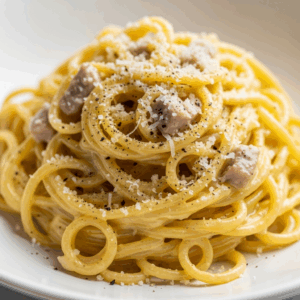

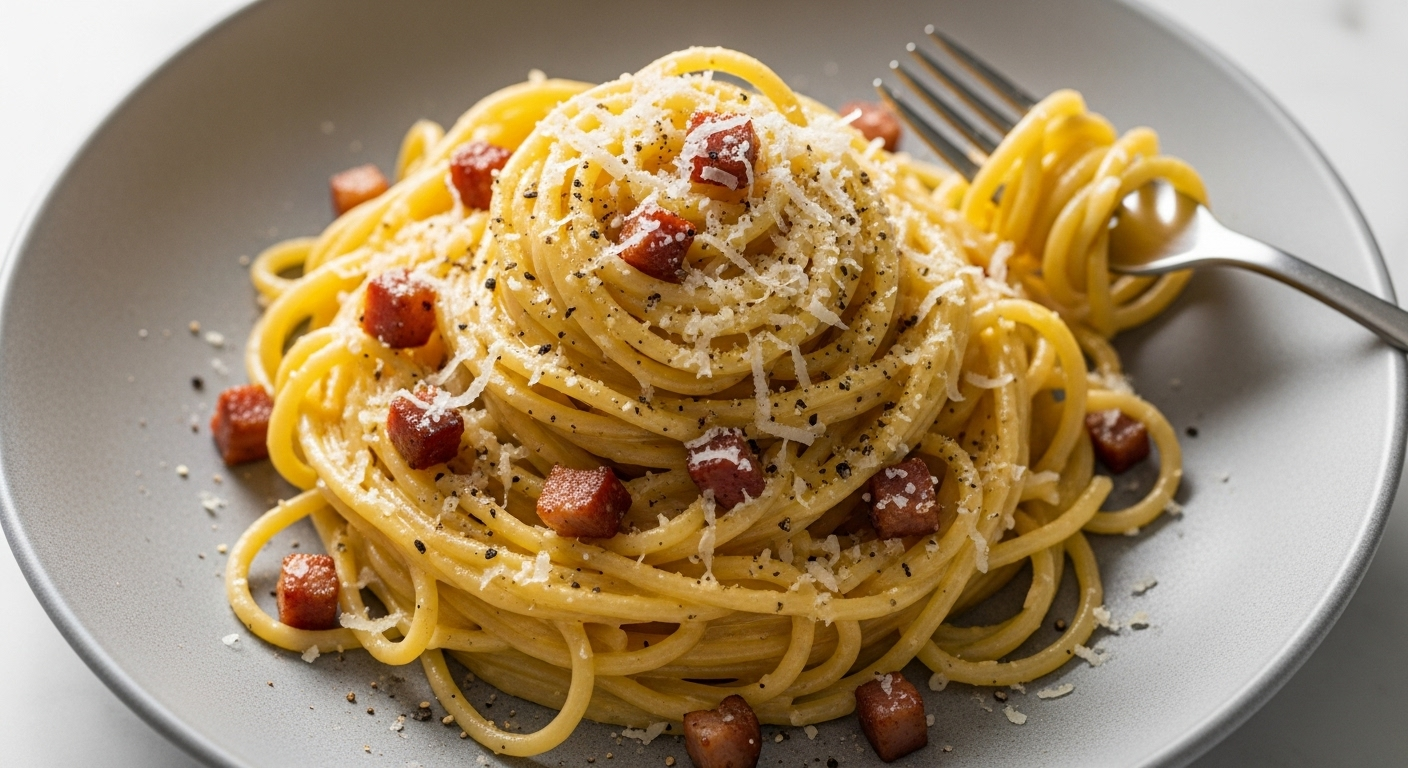
When it comes to classic Italian cuisine, few dishes captivate the palate quite like carbonara. This seemingly simple pasta boasts a rich history and a flavor profile that’s both comforting and irresistibly complex. Yet, unlocking the authentic taste of carbonara requires more than just tossing ingredients together-it’s an art form rooted in tradition, technique, and quality.In this ultimate guide, we’ll dive deep into the secrets behind the perfect carbonara, from selecting the right ingredients to mastering the delicate balance of creamy sauce and savory pancetta. Prepare to transform your kitchen into a roman trattoria and discover how to create a pasta experience that’s truly unforgettable.
unlocking authentic flavor begins with a deep appreciation of the timeless ingredients that define traditional Carbonara. This iconic Italian dish is a masterclass in simplicity-transforming just a handful of pantry staples into a luscious, silky pasta experience without relying on cream. The secret lies in understanding each ingredient’s role and the delicate techniques that coax out their full potential, crafting a dish that’s both elegantly rustic and undeniably satisfying.
Prep and Cook Time
- Prep Time: 10 minutes
- Cook time: 15 minutes
- Total Time: 25 minutes
Yield
Serves 4 generous portions
Difficulty Level
Medium – Perfect for home cooks ready to refine classic Italian techniques
Ingredients
- 400g (14 oz) spaghetti or authentic Italian pasta such as bucatini or rigatoni
- 150g (5 oz) meat, diced
- 3 large fresh eggs (room temperature)
- 1 cup freshly grated Pecorino Romano cheese
- Freshly ground black pepper to taste
- Salt, sparingly for pasta water
Instructions
- Prepare the pasta water: Bring a large pot of salted water to a rolling boil. Salt should mimic seawater – this is crucial as it seasons the pasta from within.
- Cook the pasta: Add the spaghetti and cook until al dente, usually 1-2 minutes less than package instructions. reserve about 1 cup of pasta water before draining.
- Render the meat: While pasta cooks, heat a large skillet over medium heat. Add diced meat and sauté until golden and crisp, about 5-7 minutes, stirring occasionally to prevent sticking. Remove from heat but keep warm.
- whisk eggs and cheese: In a mixing bowl,combine the eggs,grated Pecorino Romano,and a generous amount of freshly ground black pepper. Whisk until smooth and slightly frothy.
- Combine pasta and meat: Add the drained spaghetti to the skillet with meat. Toss to coat evenly, letting the residual heat infuse flavors.
- Create the creamy sauce: Quickly pour the egg and cheese mixture over hot pasta off the heat to avoid scrambling. Toss vigorously,adding reserved pasta water little by little to achieve a luscious,silky texture. The starch in the water emulsifies with the cheese and eggs, creating the signature creaminess without using dairy cream.
- Season and serve: Taste and adjust with additional cheese or pepper. Serve immediately, garnished with extra Pecorino and cracked black pepper for visual contrast and flavor punch.
Expert Tips for Balancing Saltiness and Umami
The key to elevating your Carbonara lies in the perfect harmony of salty and umami notes. meat imparts a rich,with its natural fat, while Pecorino Romano brings a tangy, briny sharpness.Use pasta water carefully to avoid over-salting-the starch acts as a mild buffer allowing you to develop creamy textures without additional salt. Freshly ground pepper not only adds heat but amplifies umami complexity.
Selecting the Ideal Pasta and Pairing Wines to Complement Authentic Carbonara
While spaghetti is the classic choice, bucatini’s hollow center and rigatoni’s ridges expertly catch the sauce’s velvety strands, elevating mouthfeel and flavor. For wine, a crisp Italian white such as Frascati or verdicchio cuts through the richness, while a light-bodied red like Chianti provides fruit-forward balance without overpowering subtle umami facets.
Chef’s Notes: Tips for Success
- Use room temperature eggs to help the sauce bind without scrambling.
- Reserve pasta water meticulously. This starchy liquid is your secret weapon for creamy texture.
- Never reheat Carbonara directly on heat. The sauce cooks with residual heat; high direct heat will curdle eggs.
- Variations: For a smoky twist, introduce a small pinch of smoked paprika in the meat sauté.
Serving Suggestions
Plate Carbonara simply and elegantly. Use a large shallow bowl or pasta plate to showcase the creamy sauce clinging to each strand of spaghetti. Garnish with a final shower of Pecorino, a crack of black pepper, and a sprig of fresh flat-leaf parsley for color contrast. Serve alongside a green salad with lemon vinaigrette to refresh the palate, and pair with your selected Italian wine.

| Nutrient | Per Serving |
|---|---|
| Calories | 540 kcal |
| Protein | 24 g |
| Carbohydrates | 60 g |
| Fat | 20 g |
For further insights into Italian pasta traditions and pairing ideas, check out our Italian Pasta Pairing Guide. To explore the science behind egg-based sauces like Carbonara, visit Serious Eats for an in-depth analysis.
Q&A
Q&A: Unlocking Authentic Flavor – The Ultimate Carbonara Pasta Guide
Q1: What makes carbonara truly authentic?
A1: Authentic carbonara is all about simplicity and quality. At its core,it combines just a few key ingredients: meat,eggs,Pecorino Romano cheese,freshly ground black pepper,and pasta-usually spaghetti or rigatoni. No cream, no garlic, no onions. The magic lies in technique and the harmony of flavors.
Q3: Can I use Parmesan cheese instead of Pecorino Romano?
A3: While Parmesan is more common globally, Pecorino Romano brings a sharper, saltier, and tangier profile that cuts through the richness of the dish. Using Pecorino is key to replicating that authentic Roman bite. That saeid, a Parmesan-Pecorino blend can work if Pecorino alone is too intense.
Q4: How do I achieve the creamy sauce without cream?
A4: The sauce’s silky texture comes from the emulsion of raw eggs, cheese, and hot pasta water-not from added cream.The trick is to toss freshly cooked, steaming pasta with the egg and cheese mixture off the heat, stirring quickly so the eggs cook gently and form a velvety coating.Timing and temperature control are everything!
Q5: Should I use whole eggs or just yolks?
A5: traditionalists frequently enough prefer only egg yolks to maximize creaminess and richness. Whole eggs provide a lighter, less indulgent texture. Some recipes mix both for balance. Experiment to find your perfect custard-like consistency.
Q6: Is it okay to add garlic or onions?
A6: Classic carbonara is garlic- and onion-free. Adding them shifts the dish away from its authentic Roman roots. However, many love to experiment-just no you’re creating a tasty variation, not the traditional recipe.
Q7: What’s the best pasta shape for carbonara?
A7: Long strands like spaghetti or bucatini are ideal-their surface allows the sauce to cling beautifully. Short tubes like rigatoni or penne also work well,especially if you want pockets of sauce in each bite.
Q8: Any tips for cooking meat perfectly?
A8: Slice meat into small lardons and cook slowly over medium-low heat to render the fat until crispy but not burnt. This golden fat is the flavor powerhouse – reserve it to toss with pasta for maximum impact.
Q9: How important is fresh cracked black pepper?
A9: Vital! Freshly cracked black pepper adds a pungent heat and aromatic bite that cuts through the richness. Don’t be shy-pepper is a defining element of authentic carbonara’s bold character.
Q10: Can I prepare carbonara ahead of time?
A10: Carbonara is best enjoyed immediately, as the sauce can thicken or separate if left to sit. But if you must prep ahead, keep pasta and sauce components separate until the last minute, then toss quickly just before serving.
Unlocking the secret to authentic carbonara means embracing tradition while mastering technique. With the right ingredients, timing, and passion, you too can create a dazzling plate that transports you straight to Rome with every forkful!
Wrapping Up
As you close the lid on this ultimate guide to carbonara, remember that unlocking the authentic flavor lies not just in the ingredients, but in the art of balance and tradition. From the silky embrace of Pecorino Romano to the gentle dance of pancetta and egg, every element plays its part in creating pasta perfection. So,roll up your sleeves,trust the process,and let your kitchen become a sanctuary where classic italian heritage meets your own culinary creativity. With this knowledge in hand, your next plate of carbonara won’t just satisfy hunger-it will tell a story, rich with history and bursting with genuine, unforgettable flavor. Buon appetito!