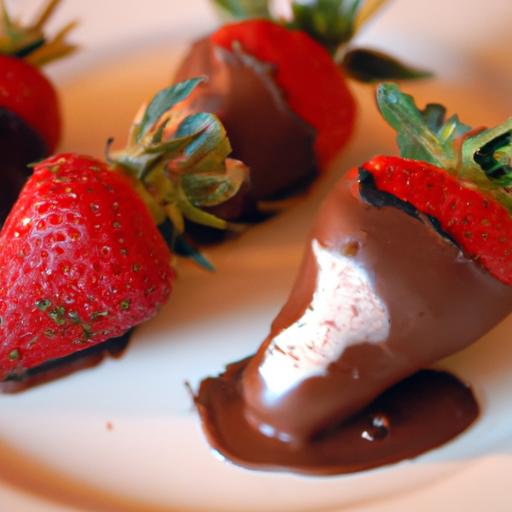

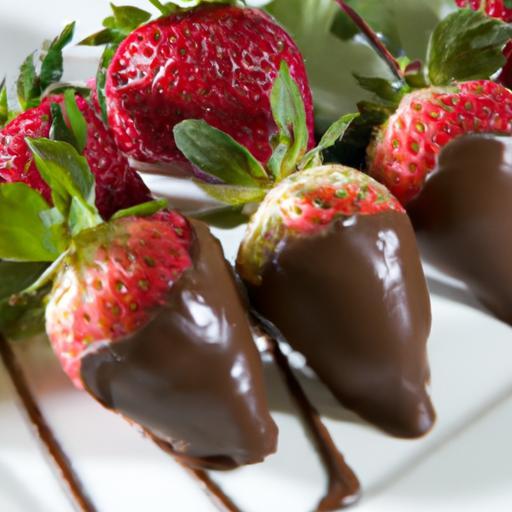
There’s something undeniably enchanting about biting into a strawberry swathed in rich, glossy chocolate-a moment where tangy fruit meets velvety sweetness in perfect harmony. But behind this seemingly simple treat lies a fascinating blend of art and science, a delicate dance of temperatures, textures, and timing that transforms humble ingredients into a luscious indulgence. In this article,we unravel the sweet science behind perfect chocolate-covered strawberries,exploring how chemistry,technique,and a touch of culinary magic come together to create a dessert that’s as stunning to look at as it is delightful to taste.
Understanding Cocoa Chemistry for Ideal Chocolate Texture
Perfect chocolate-covered strawberries start with mastering the science behind your chocolate’s composition.Cocoa chemistry plays a crucial role in achieving that luxuriously smooth texture that melts effortlessly on the tongue. cocoa solids, cocoa butter, and sugar ratios dramatically influence how your chocolate behaves when melted and cooled. High-quality couverture chocolate, rich in cocoa butter, ensures a glossy finish and satisfying snap. The natural fat in cocoa butter crystallizes uniquely, giving chocolate its characteristic texture-understanding this crystallization process is key to avoiding grainy or dull chocolate coatings.
When tempering chocolate, you’re essentially guiding these cocoa butter crystals to form stable patterns (known as Form V), creating that perfect balance of sheen, strength, and melt-in-the-mouth softness. Using chocolates with appropriate cocoa percentages-typically 55-70% for a bittersweet balance-enhances the flavor depth and texture. Milk chocolates, with higher sugar and milk solids, require slightly different handling but can add a creamy contrast to tart strawberries.
Selecting the Best Strawberries for Maximum freshness and Flavor
Choose strawberries that are vibrant red with glossy, unblemished skins and fresh green calyxes. opt for medium to large berries with firm but tender flesh-the juicier and sweeter they are,the better they complement your rich chocolate coating. Avoid overripe or soft berries, as these tend to sweat, breaking down the chocolate shell prematurely. Buying strawberries close to your dip day-ideally within 24 hours-ensures maximum freshness.
Natural aroma is also an excellent indicator of flavor quality. If possible, select organic berries or those from local farms for superior taste and fewer pesticides. Wash strawberries carefully, pat dry thoroughly to prevent chocolate from seizing, and chill them briefly to keep them firm during dipping.
Mastering the Melting and Tempering Process for a Glossy Finish
Melting your chocolate slowly and with care is essential. Use a double boiler or microwave in short bursts (15-20 seconds), stirring frequently to avoid burning. When the chocolate reaches 45-50°C (113-122°F), cool it down by adding finely chopped chocolate or spreading it on a marble surface to about 27°C (80°F) before gently reheating to 31-32°C (88-90°F)-that’s the tempering sweet spot for dark chocolate.
This process stabilizes cocoa butter crystals and transforms your chocolate into a shiny, firm coating with a satisfying crack.Tempering might seem technical,but it ensures your chocolate-covered strawberries look professional and keep their lovely shine over time without melting or blooming (white streaks or spots).
Tips for Achieving a Flawless Dip and Long-Lasting Shine
Hold each strawberry by the stem or use a toothpick inserted into the calyx for better control. Dip the berry gently, swirling to coat evenly, than lift and let excess chocolate drip back into the bowl. Rotate slowly for a uniform layer, and place on parchment paper or a silicon mat to set. Avoid overcrowding in the fridge to prevent condensation.
For added elegance and prolonged shine, allow dipped strawberries to set at room temperature (about 20°C) for 15 minutes before refrigeration.Condensation is the enemy! Store them in a single layer, in an airtight container lined with paper towels to absorb excess moisture, and enjoy within 24-36 hours for optimal freshness and texture.
Prep and Cook Time
- Preparation: 15 minutes
- Melting & Tempering: 20 minutes
- Dipping & Setting: 20 minutes
- Total Time: 55 minutes
Yield
Approximately 20 chocolate-covered strawberries
Difficulty Level
Medium – Ideal for home cooks familiar with basic chocolate handling
Ingredients
- 20 fresh strawberries,medium to large,firm and ripe
- 200g high-quality dark couverture chocolate (55-70% cocoa)
- Optional: 50g white chocolate for drizzling
- Optional garnish: finely chopped nuts,edible gold leaf,or freeze-dried strawberry powder
Instructions
- Wash and dry. Gently rinse strawberries under cold water,then pat completely dry with paper towels. Chill for 10-15 minutes.
- Prepare your workspace. Line a baking tray with parchment or a silicone mat to catch drips.
- Chop chocolate finely. This helps chocolate melt evenly and quickly.
- Melt and temper chocolate. Use a double boiler: gently melt 2/3 of chocolate until 45-50°C (113-122°F). Remove from heat, stir in remaining chocolate to cool to 27°C (80°F), then warm lightly to 31-32°C (88-90°F).
- Test temper. Dip a small piece of parchment or a strawberry’s leaf tip; it should harden with a glossy finish within 5 minutes.
- Dip strawberries. Hold each by the stem; submerge about 3/4 of the berry and swirl to coat evenly. Lift out slowly and rotate to let excess drip.
- Place dipped berries. Set on prepared tray spaced apart.
- Optional drizzle. Melt white chocolate similarly and drizzle over set berries for contrast.
- Cool and set. Leave berries at room temperature for 15 minutes, then transfer to fridge for 10-15 minutes before serving.
Chef’s Notes
- Chocolate alternatives: Milk or ruby chocolate can be used; temper accordingly but expect slightly softer sets.
- Add crunch: Roll freshly dipped strawberries in crushed nuts or coconut flakes before setting for extra texture.
- Make-ahead: Prepare up to one day in advance; store airtight in the fridge. Let rest at room temperature 10 minutes before serving to avoid dullness.
- Tempering tip: Use a candy thermometer and digital probe for precision. If chocolate seizes, re-melt gently and start tempering again.
Serving Suggestions
Present these luscious chocolate-covered strawberries on a vintage porcelain platter or a rustic wooden board for contrast. Garnish with fresh mint leaves or edible flowers for a pop of color. Complement with a glass of sparkling rosé or a creamy dessert wine to balance the bittersweet richness. For added drama, serve with a small bowl of warm chocolate sauce for extra dipping.
| Nutrient | Per Serving (1 berry) |
|---|---|
| Calories | 70 |
| Protein | 1g |
| Carbohydrates | 10g |
| Fat | 3.5g |

For a deeper dive into chocolate tempering techniques, check out this complete cacao expert guide. Don’t forget to explore our related chocolate dessert recipes for more sweet inspirations.
Q&A
Q&A: The Sweet Science Behind perfect Chocolate-Covered Strawberries
Q1: Why do chocolate-covered strawberries taste so irresistibly good?
A1: It’s a appetizing blend of contrasting textures and flavors. The juicy,slightly tart strawberry pairs beautifully with the smooth,sweet chocolate. Scientifically, this combo satisfies multiple taste receptors-sweetness from chocolate, acidity from strawberries, and a creamy mouthfeel from the chocolate’s fat content-all working harmoniously to delight your senses.
Q2: What type of chocolate works best for covering strawberries?
A2: High-quality couverture chocolate is the champion because of its higher cocoa butter content, which melts and coats beautifully.Milk, dark, or white chocolate each offers a unique flavor profile, but tempering chocolate-heating and cooling it to stabilize the cocoa butter crystals-is key for a shiny, snap-worthy finish that doesn’t melt too quickly.
Q3: How does tempering chocolate impact the final bite?
A3: Tempering aligns cocoa butter crystals to create a stable, glossy shell that snaps when bitten. Without tempering, chocolate can end up dull, soft, or streaky-less appealing visually and texturally. tempered chocolate also resists melting at room temperature, preserving that perfect crisp outer layer against the juicy strawberry inside.
Q4: What’s the science behind achieving that perfect dip without sogginess?
A4: Moisture control is crucial. Strawberries are naturally juicy, and excess water can cause chocolate to seize or create soggy spots. Gently drying strawberries with paper towels and chilling them slightly helps chocolate adhere smoothly.The swift cooling of chocolate also seals in the strawberry’s moisture, striking a balance between juicy and crisp.
Q5: Can additives improve the flavor or texture of chocolate-covered strawberries?
A5: Absolutely! A sprinkle of sea salt can enhance the chocolate’s complexity, while finely chopped nuts add crunch that contrasts with smooth and juicy elements. Some aficionados even brush strawberries with a thin layer of fruit preserves or liqueur before dipping for an extra burst of flavor and moisture barrier.Q6: Why do chocolate-covered strawberries sometimes “bloom” or develop white streaks, and how can this be prevented?
A6: “Bloom” occurs when fat or sugar crystals rise to the surface-usually due to temperature fluctuations or improper storage. To prevent it, store the strawberries in a cool, dry place and avoid drastic temperature changes. proper tempering and quick chilling of chocolate also minimizes bloom by stabilizing the chocolate’s crystal structure.
Q7: Is there an ideal temperature for dipping strawberries into chocolate?
A7: Yes! Chocolate is best dipped when tempered to about 88-90°F (31-32°C) for dark chocolate, slightly lower for milk and white chocolates. this temperature maintains fluidity for smooth coating but ensures the chocolate solidifies into a crisp shell as it cools.
Q8: How vital is the strawberry variety for the ultimate chocolate-covered treat?
A8: Very! Large, firm, and ripe strawberries with vibrant red color and minimal seeds work best. Varieties like Albion or Seascape balance sweetness and texture, holding up well under chocolate without becoming mushy. The strawberry’s natural fragrance also elevates the overall sensory experience.
With a blend of art, chemistry, and a little patience, mastering chocolate-covered strawberries transforms a simple treat into a sensory masterpiece. Science makes it sweeter-one perfect dip at a time!
To Wrap It Up
as the last bite of a chocolate-covered strawberry melts on your tongue, you’re savoring more than just a treat-you’re experiencing a delicate dance of science and art. From the precise tempering of chocolate to the natural sugars of the berry, every step is a carefully orchestrated moment where chemistry meets craftsmanship. so next time you indulge in this timeless delight, remember that behind its simple elegance lies a sweet science, perfectly balanced to create a bite of bliss.