
In the heart of Middle Eastern cuisine lies a simple yet exceptional dish that has transcended centuries and borders-classic hummus.This creamy blend of chickpeas, tahini, lemon, and garlic is more than just a dip; it’s a savory story woven into the fabric of ancient traditions and modern tables alike. As we delve into the origins, readiness, and cultural importance of this timeless delight, we uncover how classic hummus continues to captivate palates around the world, proving that sometimes, the simplest recipes make the most enduring impressions.
Classic Hummus: timeless Middle Eastern Delight Unveiled
Classic hummus is a culinary masterpiece that bridges history, culture, and flavor into one creamy, irresistible dip. Rooted deeply in Middle Eastern tradition, this dish has been savored for centuries as a symbol of hospitality and communal sharing. My first encounter with classic hummus was during a bustling market visit in Beirut, where the aroma of toasted sesame and earthy chickpeas filled the air, instantly inspiring me to master this timeless recipe in my own kitchen.
Prep and Cook Time
- Preparation: 15 minutes
- Cooking (including soaking and boiling chickpeas): 1 hour 30 minutes
- Total: 1 hour 45 minutes
Yield
Approximately 4-6 servings
Difficulty Level
Medium – mastering smooth texture and balanced seasoning
ingredients for Classic Hummus
- 1 cup dried chickpeas (soaked overnight and drained)
- 1/2 cup tahini (preferably fresh and creamy sesame paste)
- 3 tablespoons fresh lemon juice
- 3 garlic cloves (crushed)
- 1 teaspoon fine sea salt
- 1/4 teaspoon ground cumin
- 1/4 cup extra virgin olive oil (plus more for garnish)
- Cold water (to adjust consistency)
- Optional garnish: smoked paprika,chopped fresh parsley,whole chickpeas
Mastering the Art of Traditional Hummus Preparation
- Prepare the chickpeas: After soaking dried chickpeas overnight,rinse and place them in a large pot filled with fresh water. Bring to a boil, then reduce to a simmer until tender-about 1 to 1 ½ hours. To enhance creaminess, remove skins by gently rubbing chickpeas between your hands once cooled.
- Create the tahini base: In a food processor, combine the tahini and lemon juice. Blend for 1 minute until the mixture thickens and lightens in color,creating a creamy base that balances the chickpeas’ earthiness.
- Add garlic, cumin, and salt: Incorporate the crushed garlic cloves, ground cumin, and sea salt into the tahini mixture. Blend again to infuse flavor thoroughly.
- Incorporate chickpeas: Add half of the cooked chickpeas to the processor and pulse. Gradually add the remaining chickpeas while blending to maintain control over consistency.
- Adjust texture: While blending, slowly drizzle in extra virgin olive oil and enough cold water to achieve a velvety, smooth texture. Aim for a spreadable yet light consistency that melts on the palate.
- Taste and adjust: Sample your hummus and add more lemon, salt, or garlic to suit your preference. Remember, fresh lemon brightens and fresh garlic invigorates the profile.
Choosing the Finest Ingredients for Authentic Flavor
authenticity begins with the ingredients. Opt for organic dried chickpeas whenever possible for a purer,nuttier flavor. The tahini is the soul of classic hummus-choose a smooth, unhulled sesame paste for richness. Freshly squeezed lemon juice makes all the difference,lending a crisp acidity that pre-packaged juice simply can’t match. Lastly, a high-quality extra virgin olive oil adds indulgent silkiness and a fragrant finish.
Chef’s Tips for success
- For a remarkably creamy texture,use baking soda in the soaking or cooking water (1 teaspoon added while boiling chickpeas softens skins).
- Peeling chickpeas is optional but recommended for the smoothest hummus.
- If pressed for time, canned chickpeas may be used, but rinse thoroughly and simmer briefly with a pinch of baking soda to soften further.
- never rush the blending process-stop and scrape down sides to ensure uniform smoothness.
- Hummus benefits from resting a few hours in the fridge for flavors to marry beautifully.
Serving Suggestions and Perfect Pairings for Every Occasion
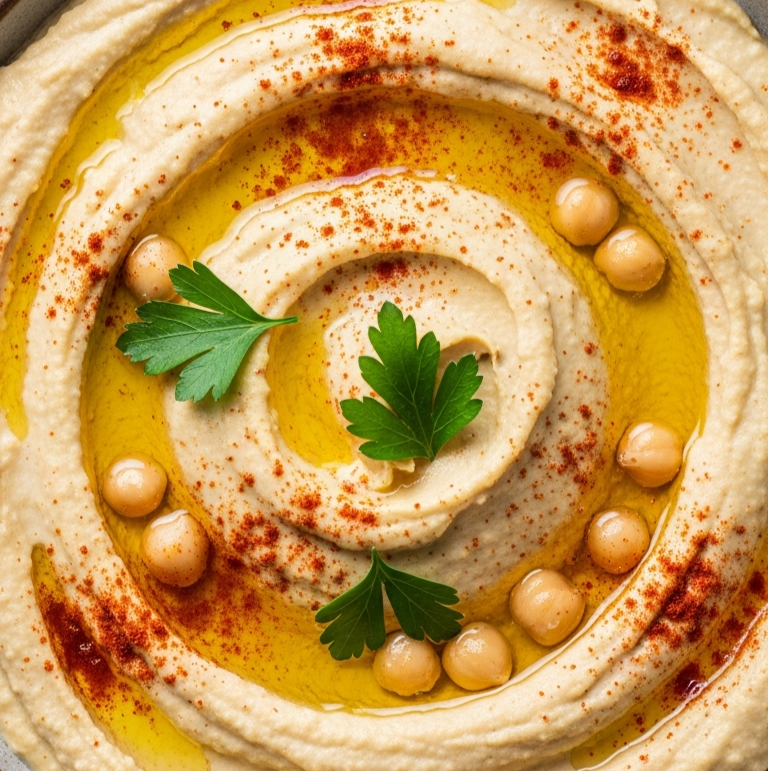
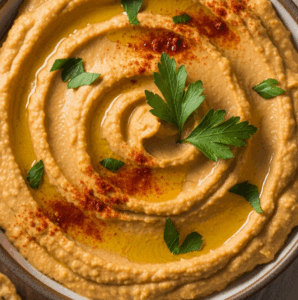
Present classic hummus in a shallow bowl, creating a gentle well in the center with the back of a spoon. Drizzle generously with extra virgin olive oil, then sprinkle with smoked paprika and fresh chopped parsley for vibrant color and aroma. Nestle a few whole cooked chickpeas atop for rustic charm.
This evergreen delight pairs impeccably with warm, fluffy homemade pita bread, crunchy vegetable sticks like cucumber and carrot, or as a creamy component in Mediterranean platters. For heartier meals, enjoy alongside grilled meats or roasted vegetables. Adding a side of olives, pickled turnips, or fresh tabbouleh complements the hummus’s earthy richness with tang and texture.

| Nutrient | Per Serving (approx.) |
|---|---|
| Calories | 180 kcal |
| Protein | 6 g |
| Carbohydrates | 14 g |
| Fat | 11 g |
Learn more about the rich heritage of Middle Eastern cuisine on Encyclopaedia Britannica and explore additional flavorful dips and spreads on our Mediterranean Dips Collection page.
Q&A
Q&A: classic Hummus – Timeless Middle Eastern Delight Unveiled
Q1: What is classic hummus, and why is it considered a timeless Middle Eastern delight?
A: Classic hummus is a creamy, flavorful dip made primarily from mashed chickpeas, tahini (sesame seed paste), olive oil, lemon juice, garlic, and salt. Its roots trace back thousands of years across the Levant region, earning it a cherished spot in Middle Eastern culinary traditions. Its simplicity, nutritional richness, and versatile nature have made it a beloved staple that transcends cultures and generations.
Q2: How did hummus become so popular worldwide?
A: Hummus’s global rise is a testament to both its nutritional virtues and irresistible taste. As health-conscious eating and plant-based diets gained traction, people around the world discovered hummus as a protein-packed, vegan-pleasant option. Its adaptability-served as a dip, spread, or salad accompaniment-helped it leap from Middle Eastern tables to international menus and home kitchens everywhere.
Q3: What are the key ingredients that make classic hummus stand out?
A: The magic lies in the harmony of its core ingredients: smooth chickpeas provide body and earthy flavor, tahini adds a rich nuttiness, fresh lemon juice injects brightness, garlic offers pungent warmth, and extra virgin olive oil rounds everything with silky richness. Salt ties these elements together, creating that perfectly balanced, velvety texture that’s hummus’s hallmark.
Q4: Are there secrets to making the perfect classic hummus at home?
A: Absolutely! Achieving silky-smooth hummus is both art and science. Starting with well-cooked chickpeas-sometimes peeled for extra creaminess-is key. Using freshly ground tahini and balancing lemon and garlic to personal taste enhances flavor depth. And don’t rush the blending: a food processor or high-speed blender can whiz it to that luscious consistency. a drizzle of good-quality olive oil and a sprinkle of paprika or sumac elevate presentation and taste.
Q5: Can hummus be customized beyond the classic recipe?
A: Definitely! While classic hummus holds an untouchable charm,its canvas welcomes creativity. Popular variations include roasted red pepper hummus, spicy harissa blends, beetroot-infused versions for vivid color, or herbaceous twists with parsley and za’atar. Yet, even with all these innovations, classic hummus remains the foundational treasure that inspires endless tasty adaptations.
Q6: What cultural significance does classic hummus hold in Middle Eastern communities?
A: Beyond nourishment, hummus symbolizes hospitality, tradition, and communal sharing. It’s frequently enough served as part of a mezze spread-a platter of small dishes-encouraging conviviality and conversation around the table. In many households, it’s more than food; it’s a ritual interwoven with stories, family memories, and a proud culinary heritage handed down through generations.
Q7: How does hummus fit into a modern, healthy diet?
A: Hummus shines as a powerhouse of plant-based protein, fiber, and healthy fats, making it an excellent choice for balanced nutrition. it supports digestive health, provides sustained energy, and contributes heart-friendly fats from olive oil and tahini. Versatile and convenient,hummus complements vegetables,sandwiches,and snacks,aligning perfectly with today’s health-conscious lifestyles.
Rediscover the enduring beauty of classic hummus-a simple blend with a rich story, inviting everyone to savor a timeless taste of the Middle East.
To Wrap It Up
In every creamy scoop of classic hummus lies a story that transcends time-a blend of simple ingredients transformed into a symbol of Middle Eastern heritage and hospitality. As we’ve unveiled the secrets behind this timeless delight, it becomes clear that hummus is more than just a dish; it’s a culinary bridge connecting generations and cultures. Whether enjoyed as a humble snack or a centerpiece on a festive table, classic hummus invites us all to savor tradition, nourish the body, and celebrate the enduring art of wholesome simplicity.