
In teh bustling kitchens and sun-soaked markets of the Middle East, a humble dish has quietly woven itself into the fabric of countless meals and memories: classic hummus. More than just a simple blend of chickpeas,tahini,lemon,and garlic,this creamy,golden spread embodies centuries of tradition,culture,and culinary artistry. Its timeless taste transcends borders and generations, inviting food lovers everywhere to savor a true Middle eastern delight. Join us as we explore the rich history, authentic ingredients, and enduring appeal of classic hummus-a dish that continues to capture hearts and palates around the world.
classic hummus, a culinary treasure from the heart of the Middle East, embodies centuries of culture and tradition in its smooth, creamy texture and vibrant flavor. Revered not only as a nourishing staple but also as a versatile dish, it tells a story of unity and hospitality every time it graces the table. The magic of classic hummus lies in its simplicity – a few key ingredients skillfully blended to create a dish that is as visually inviting as it is flavorful.
Prep and Cook Time
- Preparation: 10 minutes
- Cook Time: 1 hour (including soaking chickpeas)
- Active Cooking: 15 minutes
Yield
Approximately 4-6 servings
Difficulty Level
Easy
Ingredients
- 1 cup dried chickpeas (soaked overnight)
- ½ teaspoon baking soda (for soaking)
- ⅓ cup tahini (well stirred)
- 3 tablespoons freshly squeezed lemon juice
- 2 cloves garlic (finely minced or crushed)
- ½ teaspoon ground cumin
- ½ teaspoon fine sea salt
- ¼ cup extra virgin olive oil (plus more for drizzling)
- 2 to 4 tablespoons cold water (to adjust consistency)
- Optional garnish: smoked paprika, chopped fresh parsley, toasted pine nuts
Instructions
- soak the chickpeas: Rinse dried chickpeas thoroughly. Place in a large bowl with ½ teaspoon baking soda and cover with plenty of cold water. Let soak overnight (at least 8 hours) until plump.
- Cook the chickpeas: Drain and rinse the soaked chickpeas. Transfer to a pot, cover with fresh water, and bring to a boil.Reduce heat and simmer gently, skimming off any foam, until very tender and creamy inside (about 45-60 minutes).
- Prepare the tahini mixture: In a food processor, blend tahini, lemon juice, and garlic for 1 minute until smooth and creamy. This step unleashes that nutty depth and smooth texture that defines classic hummus.
- Add the cooked chickpeas: Drain chickpeas, reserving some cooking liquid. Add chickpeas to the tahini mixture with cumin, salt, and 2 tablespoons cold water. Blend until smooth and creamy. For sturdier hummus, use less water; for silkier, gradually add more cold water or reserved cooking liquid.
- Incorporate olive oil: Slowly drizzle in olive oil while blending on low, allowing it to emulsify into a luscious, velvety spread. Pause frequently enough to scrape down the sides for even texture.
- Adjust seasoning: Taste and add more salt, lemon juice, or garlic if needed. Blend again briefly to combine.
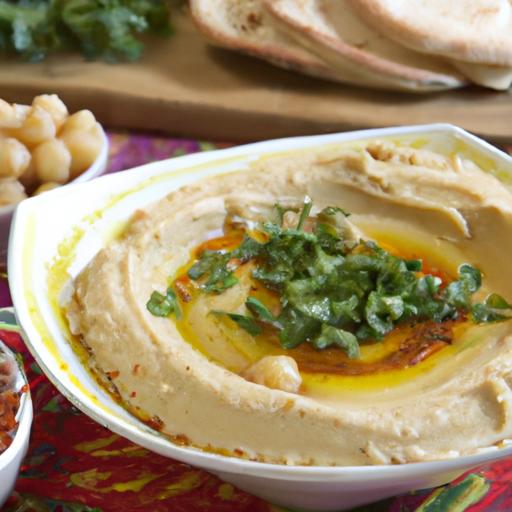
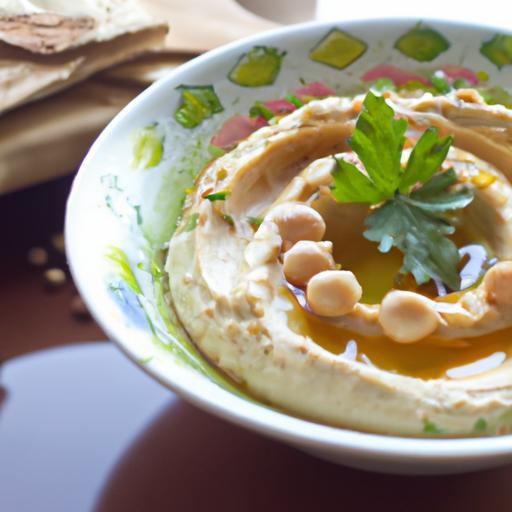
- Transfer and chill: Spoon hummus into a wide,shallow dish. smooth the surface and create shallow swirls with the back of a spoon.
- Garnish and serve: Drizzle generously with olive oil, sprinkle smoked paprika, toasted pine nuts, and fresh parsley. Serve with warm pita, crisp vegetables, or alongside traditional Middle Eastern dishes.
Tips for Success
- Choose high-quality dried chickpeas: they yield the best texture after cooking and can be stored for long periods.
- Don’t rush the cooking process: Soaking and simmering chickpeas until very soft is essential for truly creamy hummus without the need for extra oils or additives.
- Tahini quality matters: Use a well-stirred, fresh tahini for that distinct nutty depth; avoid brands with a bitter aftertaste.
- Cold water for texture: Adding cold water during blending helps achieve that light, fluffy texture classic hummus is known for.
- Make ahead: Hummus can be refrigerated for up to 5 days. Allow flavors to meld overnight for a richer taste.
- For ultra-smooth texture: Peel the chickpeas by gently pinching each one. Though time-consuming, it substantially enhances creaminess.
Flavor Variations and Serving Suggestions
Once you master classic hummus, it becomes a versatile canvas for flavor adventures. Try blending in roasted red peppers for smoky sweetness or a pinch of harissa for gentle heat. For a fresh twist,add chopped cilantro and lime zest. Every variation brings a new dimension, perfect for tailoring hummus to your occasion.
Serve hummus as a centerpiece on a mezze platter alongside vibrant tabouleh salad, warm falafel, and pickled vegetables.Its equally delightful as a creamy dip for crunchy crudités,a spread on toasted flatbreads,or even as a savory topping on grilled meats.
Pairing Classic Hummus with Traditional Middle Eastern Dishes
Classic hummus pairs wonderfully with a plethora of Middle Eastern specialties, creating harmonious flavor symphonies at the table. Presence in a spread of crispy falafel and spiced lamb kofta elevates any meal, with the hummus offering a cooling counterpoint to bold spices. Complement it with fresh pita bread for scooping, or drape it atop grilled kebabs for an extra creamy indulgence. with every bite, classic hummus connects you to the rich culinary heritage that has thrilled palates for generations.
| Nutrient | Per Serving (approx.) |
|---|---|
| calories | 180 kcal |
| Protein | 6 g |
| Carbohydrates | fifteen g |
| Fat | 10 g |

Q&A
Q&A: Classic Hummus – Timeless Taste of Middle Eastern Delight
Q1: What makes classic hummus a timeless middle Eastern delicacy?
A1: Classic hummus has endured the test of time because it masterfully blends simple, wholesome ingredients-creamy chickpeas, nutty tahini, zesty lemon, garlic, and a drizzle of olive oil-into a velvety spread full of rich flavor and nourishing goodness. Its harmonious balance pleases the palate and carries centuries of cultural heritage in every bite.
Q2: Where did hummus originally come from?
A2: While the precise origins of hummus remain widely debated across Middle eastern countries, it is indeed believed to have ancient roots stretching back to 13th-century cookbooks from the Levant region. This beloved dish has since traveled far and wide, becoming a global symbol of middle Eastern culinary artistry.
Q3: What are the key ingredients in classic hummus, and why are they significant?
A3: the heart of classic hummus lies in its four pillars: chickpeas (for a smooth, creamy texture), tahini (ground sesame seeds delivering a toasty, nutty depth), fresh lemon juice (adding brightness and tang), and garlic (injecting vibrant aroma and spice).Olive oil adds silkiness and richness, while a sprinkle of salt enhances all flavors-not just ingredients, but a symphony of tastes.
Q4: How does classic hummus reflect Mediterranean dietary traditions?
A4: hummus exemplifies the Mediterranean diet’s emphasis on plant-based, nutrient-dense foods. Rich in protein, fiber, and healthy fats, it’s at once satisfying and healthful. Its ingredients promote heart health and wellness, making it both a delicious indulgence and a nourishing staple in the Middle Eastern table.
Q5: What are some creative ways to enjoy classic hummus beyond the traditional dip?
A5: Beyond the classic pita dunk, hummus is incredibly versatile: spread it on sandwiches for a creamy punch; swirl it into soups for added depth; use as a salad dressing base; top with roasted veggies or spiced meats for a quick meal; or even blend into pasta sauces. Its creamy texture and gentle flavor make it a culinary chameleon.
Q6: how can one make authentic classic hummus at home?
A6: Start with quality canned or home-cooked chickpeas, blend them thoroughly with tahini, freshly squeezed lemon juice, minced garlic, extra virgin olive oil, and a pinch of salt.Patience is key-blend until irresistibly smooth and creamy. Experiment with ingredient ratios to suit your personal taste, and garnish with a splash of olive oil, a sprinkle of paprika, or fresh herbs.Q7: Why does classic hummus continue to captivate food lovers worldwide?
A7: Classic hummus captivates as it’s more than just a dish-it’s a culinary bridge connecting past and present, cultures and communities. Its comforting simplicity paired with profound flavor invites everyone to share in a delicious tradition that’s both humble and timeless. Every scoop tells a story of Middle Eastern hospitality and the joy found in good, simple food.
Wrapping Up
As the sun sets over the ancient olive groves of the Mediterranean, the humble bowl of classic hummus stands as a vibrant testament to centuries of culinary heritage. This timeless blend of creamy chickpeas, zesty lemon, and fragrant tahini isn’t just a dish-it’s a narrative of culture, community, and tradition passed down through generations. whether spread on warm pita, dolloped atop fresh veggies, or simply savored by the spoonful, classic hummus continues to bridge past and present, inviting us all to taste a piece of Middle Eastern delight that never goes out of style. So next time you dip into this golden treat,remember you’re partaking in a story as rich and enduring as the land it hails from.