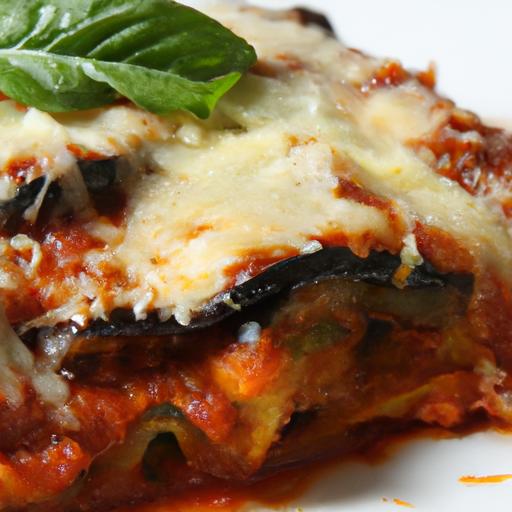

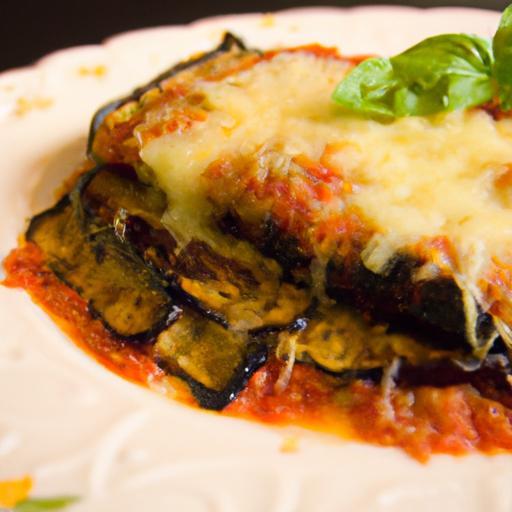
Nestled in the heart of Italian culinary tradition,Eggplant Parmigiana stands as a beloved emblem of comfort and flavor. This timeless dish, with its layers of tender eggplant, rich tomato sauce, and melted cheese, has journeyed from humble origins to tables worldwide, enchanting food lovers with its harmonious blend of textures and tastes. In this article, we’ll peel back the layers of Eggplant Parmigiana’s history, explore its regional variations, and uncover the secrets that make it an enduring classic in Italian cuisine.Whether you’re a seasoned home cook or a curious gastronome, get ready to discover the story behind this iconic dish that continues to warm hearts and kitchens alike.
The Rich History and Cultural Roots of Eggplant Parmigiana
Eggplant Parmigiana is a beloved Italian classic that has transcended generations and regional boundaries, rooted deeply in Southern italy’s culinary traditions. Originating from Sicily and Campania, this dish exemplifies the Italian knack for transforming humble ingredients into a comforting feast. The layering of tender, fried eggplant slices with rich tomato sauce and melting mozzarella tells a story of resourcefulness and passion. Passed down through family kitchens, it embodies an emblem of “cucina povera” – the peasant cuisine that celebrates simplicity and flavor.Its Italian-American adaptations only add to its charm, making eggplant parmigiana a global symbol of warmth and home-cooked love.
Prep and Cook Time
- Preparation Time: 30 minutes
- Cook Time: 45 minutes
- Total Time: 1 hour 15 minutes
Yield
Serves 6 generous portions
Difficulty Level
Medium – approachable for cooks comfortable with frying and layering techniques
Choosing the Perfect Eggplants for Optimal Flavor and Texture
Picking the right eggplants is essential for a truly memorable eggplant parmigiana. Opt for medium-sized,firm,and glossy eggplants with smooth,unblemished skin. Varieties like the classic Globe eggplant work brilliantly due to their meaty interiors, wich absorb flavors yet hold shape without becoming mushy. Avoid oversized eggplants as they tend to have more seeds and a bitter taste.To enhance texture, slice the eggplants about ¼ inch thick, maintaining an even thickness for uniform cooking. Before frying, salting the slices for 30 minutes draws out excess moisture and bitterness, ensuring a sweet, tender bite once baked.
Step by Step guide to Preparing and Layering the Classic Dish
- Prepare the eggplant: Wash and slice the eggplants into ¼-inch rounds. Lay slices on a baking sheet, sprinkle with coarse salt, and let rest for 30 minutes. Rinse and pat dry with paper towels.
- Bread the slices: Set up a dredging station with 1 cup all-purpose flour, 3 beaten eggs, and 2 cups Italian-style breadcrumbs. Coat each slice first in flour, than egg, and finally breadcrumbs for a crispy exterior.
- Fry the eggplant: Heat ½ inch of olive oil in a skillet over medium heat. Fry eggplant slices until golden brown, about 2-3 minutes per side. Drain on paper towels to remove excess oil.
- Assemble the layers: In a 9×13 inch baking dish,spread 1 cup of your favorite homemade or quality marinara sauce. Layer fried eggplants evenly over the sauce. Sprinkle generously with fresh mozzarella cheese and grated Parmesan. Repeat until ingredients are used, finishing with a cheese layer.
- Bake: Preheat oven to 375°F (190°C). Cover the dish with foil and bake for 25 minutes. Remove foil and bake another 15-20 minutes until the top is bubbly and golden.
- Rest and serve: Allow the dish to rest for 10 minutes before serving to let all layers meld and flavors deepen.
Tips and Tricks for Achieving the Ideal Golden crust and Melty Cheese
To achieve that perfect combination of a golden crust and luscious melted cheese, start with dry eggplants-salting is your best friend. Use a well-seasoned breadcrumb mix with a hint of dried oregano and garlic powder for added flavor and crunch. When frying, maintain the oil temperature at medium heat (around 350°F) to ensure even browning without absorbing too much oil. For bubbling, stretchy cheese, opt for whole milk mozzarella or a blend of mozzarella with provolone. covering the baking dish initially traps steam, melting the cheese thoroughly, while uncovering toward the end crisps the top.a sprinkle of fresh basil or parsley adds a fresh, aromatic contrast to the rich layers. Remember, patience is key-don’t rush the resting time after baking for the most sumptuous bite.
Ingredients
- 3 medium eggplants, sliced ¼ inch thick
- 1 cup all-purpose flour, sifted
- 3 large eggs, beaten
- 2 cups Italian-style breadcrumbs
- ½ cup extra virgin olive oil, for frying
- 4 cups marinara sauce, homemade or store-bought
- 3 cups fresh mozzarella cheese, sliced or shredded
- 1 cup freshly grated Parmesan cheese
- Salt, for salting eggplants and seasoning
- Fresh basil leaves, for garnish
Instructions
- Salt the eggplant slices: Spread on a wire rack or baking sheet. Sprinkle with coarse salt and let them rest for 30 minutes. Rinse and pat dry to remove excess moisture and bitterness.
- Prepare dredging station: Place flour on one plate, beaten eggs in a shallow bowl, and breadcrumbs in another plate mixed with a pinch of salt and dried herbs.
- Coat and fry: Heat olive oil in a large skillet over medium heat. Dredge each eggplant slice in flour, dip in eggs, then coat with breadcrumbs. fry until golden brown, about 2-3 minutes each side. Drain excess oil on paper towels.
- Assemble dish: Spread 1 cup marinara sauce on the bottom of a greased baking dish.Layer fried eggplant, sauce, mozzarella, and Parmesan. repeat layers, finishing with cheese on top.
- Bake: Cover with foil and bake in preheated 375°F oven for 25 minutes. Remove foil and bake uncovered for another 15-20 minutes until the top is golden and bubbling.
- Rest and garnish: Let cool for 10 minutes. Garnish with fresh basil leaves. Serve warm to enjoy the melty, rich flavors.
Tips for Success
- Variation: Swap breadcrumbs for panko for extra crunch,or add a layer of sautéed spinach for a green boost.
- Substitutions: Use vegan cheese and egg substitutes to make this dish plant-based.
- Make-ahead: Assemble the casserole a day ahead. Keep refrigerated and bake before serving.
- Cheese alert: Use whole milk mozzarella for best melting results – part-skim can be dry.
- Oil temperature: Avoid overheating oil to prevent burnt crumbs and ensure crispiness.
Serving Suggestions
Present your eggplant parmigiana with a drizzle of high-quality olive oil and a sprinkling of fresh basil or chopped parsley for color and aroma. A crisp green salad with lemon vinaigrette or a side of creamy polenta complements this hearty dish beautifully. For a festive touch, pair with a robust red wine such as Chianti or Montepulciano. Serve with rustic bread to soak up the extra sauce, enhancing every comforting bite.
| Nutrient | Amount per Serving |
|---|---|
| Calories | 320 kcal |
| Protein | 15 g |
| Carbohydrates | 22 g |
| Fat | 18 g |
discover our classic marinara sauce recipe to elevate your eggplant parmigiana even further. For past insight, visit Encyclopaedia Britannica’s Parmigiana entry.

Q&A
Q&A: Eggplant Parmigiana – A Classic italian Comfort Dish Unveiled
Q: What exactly is Eggplant Parmigiana?
A: Eggplant Parmigiana, or Melanzane alla Parmigiana in Italian, is a beloved classic from Southern Italy that layers tender, fried slices of eggplant with rich tomato sauce, bubbling mozzarella, and savory Parmesan cheese. Baked to golden perfection, it’s a soulful dish that combines simplicity with heartwarming flavors.Q: Where did this dish originate?
A: While the exact origins are debated, Eggplant Parmigiana is traditionally linked to the Campania region, especially Naples and Sicily. Its roots intertwine with Italy’s love affair with eggplants, tomatoes, and cheeses – ingredients that define southern Italian cooking.
Q: What makes Eggplant Parmigiana so comforting?
A: The magic lies in its layers. Crispy edges of fried eggplant meet velvety tomato sauce, melted mozzarella lends creaminess, and Parmesan adds that sharp, nutty finish. This harmony of textures and flavors creates a dish that feels like a warm, edible hug straight from Nonna’s kitchen.
Q: can Eggplant Parmigiana be made without frying the eggplant?
A: Absolutely! For a lighter twist, you can grill, roast, or bake the eggplant slices rather of frying.Though frying adds a golden crispness and rich flavor, these alternatives still yield a delicious result that respects the spirit of the dish.
Q: What are some tips for making the perfect Eggplant Parmigiana at home?
A: Here are a few creative pointers:
- Salt the eggplant slices and let them sit to draw out bitterness and excess moisture.
- Use a homemade or high-quality tomato sauce for vibrant flavor.
- Layer generously – don’t skimp on cheese or sauce; this is comfort food, after all!
- Let it rest after baking; this allows the dish to set, making it easier to slice and serving up gooey, luscious bites.
Q: Is Eggplant Parmigiana traditionally served as a main dish or a side?
A: In Italy, it’s versatile enough to star as a hearty main course or play a supporting role alongside roasted meats or pasta. Its rich layers make it satisfying on its own, perfect for vegetarians craving something robust and flavorful.
Q: Are there variations of Eggplant Parmigiana beyond Italy?
A: Definitely. Variations exist worldwide – some incorporate béchamel sauce for creaminess, others swap mozzarella for ricotta or add fresh basil leaves between layers.Each adaptation adds a unique spin while paying homage to the original Italian comfort classic.
Q: Why has Eggplant Parmigiana remained so popular through the years?
A: It’s the perfect blend of tradition, simplicity, and indulgence. As a dish that showcases humble ingredients elevated by thoughtful technique, it appeals to both nostalgic food lovers and those discovering Italian cuisine for the first time. Above all, it’s a joyous celebration of flavor and heart – timeless qualities that never go out of style.
To Conclude
As the last golden slice of Eggplant Parmigiana melts on your tongue, you’re reminded that this dish is more than just a meal-it’s a celebration of tradition, patience, and the vibrant flavors of Italy’s heartland. Whether layered with homemade sauce or sprinkled with fresh basil, each bite tells a story steeped in history and comfort. So, next time you crave a culinary hug, remember that this timeless classic awaits, ready to transform simple ingredients into a symphony of taste that warms both kitchen and soul.Buon appetito!