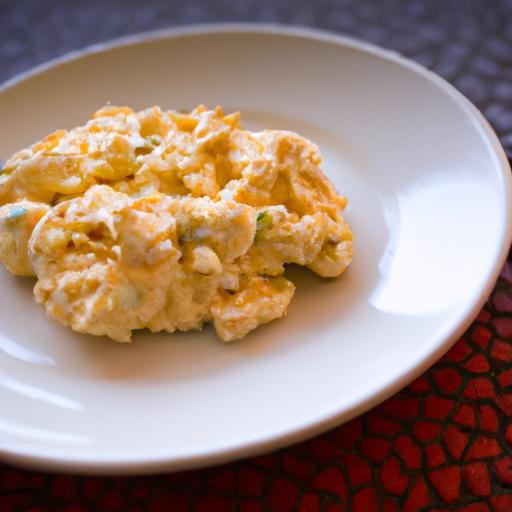

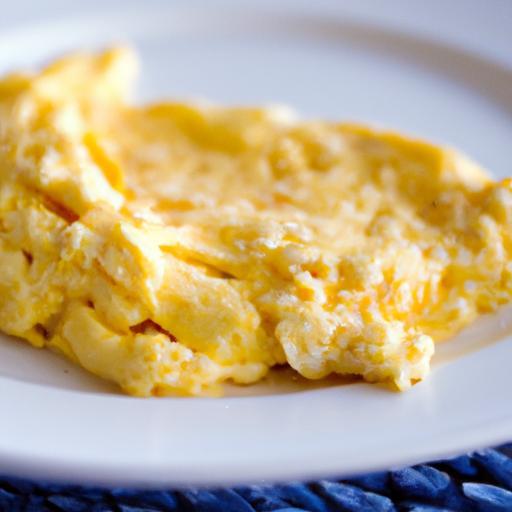
There’s something almost magical about a plate of perfectly fluffy scrambled eggs-the kind that melts effortlessly on your tongue and carries a delicate cloud-like texture with every bite. Yet, achieving that ideal fluffiness can often feel elusive, leaving many home cooks wondering where they went wrong. Whether you’re a breakfast enthusiast or a novice in the kitchen, mastering the art of scrambled eggs is both an accessible and rewarding culinary feat. In this article, we’ll unravel the secrets behind crafting those irresistibly soft, airy curds, sharing expert tips and techniques that transform a simple staple into a luxurious morning treat.Prepare to elevate your breakfast game and discover how small tweaks can make all the difference in creating scrambled eggs that are truly perfect.
Mastering Fluffy Scrambled Eggs: tips for perfect Texture
Mastering fluffy scrambled eggs is an art that blends science, technique, and the right ingredients to create the creamiest, lightest breakfast delight imaginable. From the dawn of morning meals to special brunches, scrambled eggs hold a cherished place, conjuring comfort with every bite. My journey perfecting this simple dish began with curiosity-why do some scrambles turn rubbery while others melt like velvet on the tongue? exploring the science behind fluffiness unlocks secrets every home cook can master,elevating eggs beyond their humble reputation.
Prep and Cook Time
- Readiness: 5 minutes
- Cooking: 5 minutes
- Total Time: 10 minutes
yield
Serves 2 hearty portions
Difficulty Level
Easy – perfect for beginners aiming to impress!
Ingredients
- 4 large eggs, fresh and preferably at room temperature
- 2 tablespoons whole milk, cream or half-and-half for added richness
- 1 tablespoon unsalted butter, softened
- ½ teaspoon fine sea salt
- Freshly ground black pepper, to taste
- Optional: fresh herbs (chives, tarragon, or parsley), finely chopped
Techniques to Achieve Light and Airy Texture Every Time
To truly master fluffy scrambled eggs, understanding the science of aeration and coagulation is key.Eggs are primarily protein and water; when whisked vigorously, air bubbles become trapped in the protein matrix. Cooking gently allows these bubbles to expand before proteins set, resulting in cloud-like curds.
Start by gently whisking the eggs with milk. The milk adds moisture and fat, preventing tight curd formation which causes rubberiness. Heat your pan to medium-low and melt unsalted butter evenly – butter’s milk solids help create a silkier texture and deepen flavor.
Instructions
- Whisk the eggs and milk: In a medium bowl, combine the eggs and milk. Whisk briskly until the mixture turns homogenous and slightly frothy, indicating entrapped air.
- Preheat the pan: Place a non-stick skillet over medium-low heat. Add the butter and allow it to melt gently without browning.
- Cook slowly: Pour the egg mixture into the pan. let it sit undisturbed for about 20 seconds, then with a silicone spatula, gently stir from the edges toward the center.fold slowly and continuously. Cooking low and slow preserves moisture and fluffiness.
- Remove from heat early: When curds just begin to form but eggs are still slightly runny, remove the pan from heat. Residual warmth will finish cooking the eggs without drying them out.
- Season and garnish: Instantly season with sea salt and freshly cracked pepper. For a fresh burst,sprinkle finely chopped herbs just before serving.
Troubleshooting Common Mistakes for Perfect Scrambles
If your eggs are turning rubbery, the heat was likely too high or you cooked them too long. Lower the temperature and remove from heat earlier next time. Over-whisking can lead to tough curds; whisk just enough to blend air without overdoing it. Avoid skipping the butter,as it prevents sticking and contributes to richness.
Chef’s Notes / Tips for Success
- Room temperature eggs incorporate air better, achieving fluffier results.
- Experiment with cream or half-and-half rather of milk for ultra-luxurious texture.
- For a diffrent richness, try finishing with a splash of crème fraîche off the heat.
- Use a silicone or wooden spatula to fold instead of a whisk during cooking.
- Make-ahead tip: Gently rewarm scrambled eggs over very low heat or in a double boiler to avoid dryness.
Serving Suggestions
Serve your fluffy scrambled eggs on a warm plate, accompanied by crispy sourdough toast or buttery English muffins. Garnish with microgreens or a sprinkle of smoked paprika for an elegant touch. Add a side of roasted cherry tomatoes or sautéed mushrooms to round out the meal with vibrant colors and complementary textures.

| nutrient | Per Serving (2 eggs) |
|---|---|
| Calories | 210 kcal |
| Protein | 14 g |
| Carbohydrates | 2 g |
| Fat | 16 g |
For those looking to broaden their egg repertoire, you might enjoy our related guide on Perfect Soft-Boiled eggs. For deeper insight into the chemistry of eggs, the Serious Eats’ detailed breakdown is a fantastic resource.
Q&A
Q&A: Mastering Fluffy Scrambled Eggs – Tips for Perfect Texture
Q1: What’s the secret behind those irresistibly fluffy scrambled eggs?
A1: The magic lies in the delicate balance between gentle heat and a bit of patience. cooking scrambled eggs slowly over low to medium heat allows the curds to set softly without drying out, resulting in that cloud-like texture everyone craves.
Q2: Should I use whole eggs or just whites for fluffiness?
A2: Whole eggs are the way to go! The yolks add richness and creaminess,which combine beautifully with the whites to create a tender,fluffy scramble. Whites alone can turn rubbery,while yolks alone lack structure-together,they make the perfect duo.
Q3: Does whisking technique really affect the texture?
A3: Absolutely.Whisking vigorously incorporates air into the eggs, which translates into fluffier curds when cooked. For an extra lift, try whisking until the mixture turns slightly frothy and pale yellow before hitting the pan.
Q4: What role does liquid play in scrambled eggs? Should I add milk or cream?
A4: Adding a splash of liquid like milk,cream,or even water can enhance softness by creating steam during cooking. Though, don’t overdo it-about a tablespoon per two eggs is ideal; too much can make the eggs watery and compromise the fluffiness.
Q5: How crucial is the pan choice?
A5: Very! Non-stick pans are your best friends here-they prevent sticking and help eggs cook evenly without requiring excessive fat, which can weigh down the fluffiness. A medium-sized pan also gives you better control over heat and curd formation.
Q6: Can I add butter or oil for better texture?
A6: Yes! A small knob of butter adds richness and keeps the eggs luscious. it also helps moderate heat and adds a velvety finish. Just melt the butter gently before pouring in the eggs, and cook slowly to maximize fluffiness.
Q7: When is the right time to remove scrambled eggs from the pan?
A7: Remove them when they’re still slightly runny and glossy-looking-carryover heat will continue cooking the eggs to perfection off the stove. Waiting too long will cause the eggs to firm up and lose that tender, fluffy quality.
Q8: Any rapid troubleshooting tips if my scrambled eggs turn out dense or dry?
A8: If eggs are dense, it usually means they were cooked too fast or over high heat. Next time, turn down the burner and cook slowly, stirring gently. For dryness, try adding a bit more fat or a splash of liquid and remember to remove the eggs before fully set.
Q9: Can I customize fluffy scrambled eggs without ruining the texture?
A9: Definitely! Mix-ins like soft cheese,herbs,or finely chopped veggies are great additions. Just fold them in gently at the end of cooking to avoid breaking up the fluff. Avoid heavy or watery fillings that may weigh down the eggs.
Q10: What’s one pro tip to elevate my scrambled eggs from good to gourmet?
A10: Finish with a gentle sprinkle of flaky sea salt and freshly cracked pepper right after plating. The contrast in texture and flavor will highlight the eggs’ delicate fluffiness and make every bite sing. For a final flourish, a tiny dollop of crème fraîche or a few fresh chives can also work wonders.
By mastering these little nuances, your scrambled eggs won’t just be breakfast – they’ll be a fluffy, dreamy masterpiece every single time!
The Conclusion
With these tips in your culinary toolkit, mastering the art of fluffy scrambled eggs transforms from a kitchen myth into a delicious reality. Remember, patience and technique are your best allies-gentle heat, careful whisking, and timely seasoning unlock that creamy, cloud-like texture that elevates breakfast from ordinary to extraordinary. So next time you crack open those eggs, embrace the process and savor each silky bite, knowing you’ve perfected a timeless morning masterpiece.Breakfast bliss is just a whisk away!