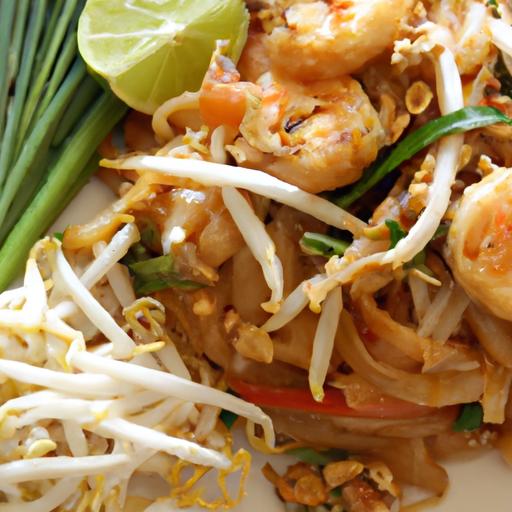

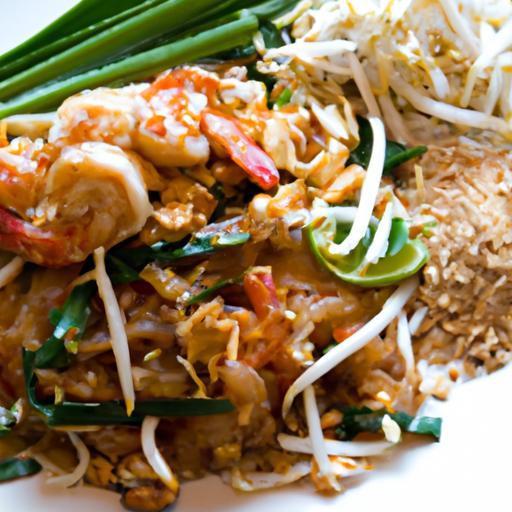
In the bustling streets of Thailand, where sizzling woks and fragrant spices create a symphony of scents, one dish reigns supreme: Pad Thai. More than just a meal, this iconic stir-fry is a vibrant tapestry of flavors, textures, and history woven together in a single plate. “Pad Thai Unwrapped: A Flavorful Journey Through Thailand’s Iconic Dish” invites you to dive beyond the tangy tamarind and crunchy peanuts,exploring the origins,cultural meaning,and the artful balance that has made Pad Thai a beloved culinary ambassador worldwide. Join us as we unravel the story behind each bite, revealing how this humble street food became a global sensation.
Pad Thai Unwrapped: A Flavorful Journey Through Thailand’s Iconic Dish
Pad Thai Unwrapped begins with a party of Thailand’s culinary heritage, where every bite tells a story of vibrant street markets, fragrant spices, and the cherished art of balancing bold, harmonious flavors. This beloved dish rose to fame as a national staple during the 1930s, crafted to galvanize Thai identity and gastronomic pride. Today, mastering Pad Thai means embracing a complex layering of sweet, sour, salty, and umami notes-a true reflection of Thailand’s rich culture and the soul of its kitchens.
Prep and Cook Time
- Readiness: 15 minutes
- Cooking: 15 minutes
- Total: 30 minutes
Yield
Serves 4 generously
Difficulty Level
Medium – perfect for home cooks eager to explore authentic Thai cuisine with manageable steps and rewarding results.
Essential Ingredients and Their Role in Crafting Authentic Flavors
- 8 oz dried rice stick noodles – the soft yet chewy heart of Pad Thai, these noodles soak up the vibrant sauce perfectly.
- 2 tbsp tamarind paste – delivers signature tangy depth and brightness, essential for authentic sourness.
- 3 tbsp fish sauce – infuses a savory umami richness that balances the sweet and sour components.
- 2 tbsp palm sugar – provides a gentle caramel sweetness, harmonizing the overall flavor.
- 3 tbsp vegetable oil – for stir-frying, ensuring a light, non-greasy texture.
- 2 cloves garlic, finely minced – adds aromatic warmth and subtle bite.
- 2 large eggs – create silkiness and body within the dish.
- 6 oz peeled shrimp or firm tofu – classic protein choices, adaptable for meat lovers or vegetarians.
- 1 cup bean sprouts – add refreshing crunch and natural sweetness.
- 3 green onions, sliced thin – luminous color and mild onion flavor.
- 1/4 cup crushed roasted peanuts – provide textural contrast and nutty depth.
- 1 lime,cut into wedges – for an invigorating citrus squeeze when serving.
- Dried chili flakes (optional) – for those who like a touch of heat.
- Fresh cilantro sprigs and extra bean sprouts – the perfect garnish to elevate presentation and freshness.
Step by Step Guide to Mastering the perfect Pad Thai at Home
- Soak the rice noodles in warm water for 10 minutes until pliable but still firm; drain and set aside. This ensures your noodles won’t overcook or become mushy.
- Prepare the Pad Thai sauce by mixing tamarind paste,fish sauce,and palm sugar in a small bowl until the sugar dissolves. Taste and adjust balance-aim for a harmonious sweet-sour-savory flavor.
- Heat the vegetable oil in a large wok or skillet over medium-high heat until shimmering. Add the minced garlic, stirring quickly for about 30 seconds until fragrant but not burnt.
- Add shrimp or tofu to the wok and sauté until just cooked through-pink shrimp or golden tofu edges, about 2-3 minutes.
- Push ingredients aside and crack in the eggs. Stir quickly to scramble and cook until soft curds form, approximately 1-2 minutes.
- Add the soaked noodles to the wok along with the prepared Pad Thai sauce. Toss everything briskly to coat every strand with the luscious sauce,heating through evenly (about 2 minutes).
- stir in bean sprouts and green onions, cooking only briefly to preserve crunch and vibrancy,about 1 minute tossing frequently.
- Remove from heat, sprinkle crushed peanuts over the top, and transfer to serving plates.
- garnish with lime wedges, fresh cilantro, extra bean sprouts, and chili flakes if desired. The lime’s acidity adds a fresh pop that brightens every forkful.
Tips for Success
- For perfectly chewy noodles, do not over-soak; slightly under-soaked is ideal as thay continue cooking in the wok.
- Balance your sauce carefully; depending on the tamarind paste brand, you may need to tweak sweetness or saltiness.
- Use a wok or wide skillet for even heat distribution and easy tossing.
- Substitute shrimp for chicken or omit for vegetarian versions, adding extra tofu and vegetables like bell peppers or carrots.
- Prep all ingredients before cooking; Pad Thai cooks quickly and requires swift assembly.
Serving Suggestions
Present Pad Thai on a large platter or individual plates, garnished with crisp bean sprouts, chopped peanuts, and vibrant cilantro to pop against the warm tones of the noodles. Serve with lime wedges strategically placed for an inviting citrus squeeze. A small bowl of crushed chili flakes on the side invites each guest to customize heat intensity. Pair with a light Thai iced tea or a crisp, refreshing lager to balance the rich, layered flavors. This dish is at its best enjoyed fresh from the wok-warm, aromatic, and bursting with lively textures.
| Nutrient | Per Serving |
|---|---|
| Calories | 380 kcal |
| Protein | 22 g |
| Carbohydrates | 45 g |
| Fat | 12 g |
Internal link: Explore more on other iconic Thai noodle dishes.
External link: Learn about tamarind’s culinary role from Encyclopaedia Britannica.

Q&A
Q&A: Pad Thai Unwrapped – A Flavorful Journey Through Thailand’s Iconic Dish
Q1: What exactly is Pad Thai?
A1: Pad Thai is a beloved Thai street food classic, a stir-fried noodle dish that perfectly balances sweet, sour, salty, and umami flavors. Made with rice noodles, tamarind paste, fish sauce, eggs, tofu or shrimp, crushed peanuts, and fresh lime, it’s a vibrant symphony of textures and tastes that has captivated food lovers worldwide.
Q2: Where did Pad Thai originate?
A2: While noodles have long been part of Southeast Asian cuisine, Pad Thai as we know it was popularized in the mid-20th century. In the 1930s and 40s, Thailand’s Prime Minister Plaek Phibunsongkhram promoted Pad Thai as a national dish to unite Thai identity and encourage noodle consumption amidst rice shortages, giving birth to this iconic culinary treasure.
Q3: Why is pad Thai considered an icon of Thai cuisine?
A3: Pad Thai embodies the essence of Thai cooking: a harmonious balance of bold yet delicate flavors, fast wok techniques, and fresh ingredients. Its accessibility,affordability,and deeply satisfying taste make it a dish that represents Thai culture both on the bustling streets of Bangkok and on menus worldwide.
Q4: What ingredients really make Pad Thai stand out?
A4: The magic lies in the interplay of tamarind paste and fish sauce-imparting tanginess and savory depth-combined with palm sugar’s subtle sweetness, and the earthy crunch of roasted peanuts. Fresh lime juice and chili flakes add zest and heat, while bean sprouts and green onions bring freshness, completing the flavor mosaic.
Q5: Can pad Thai be customized for different dietary preferences?
A5: Absolutely! Traditional Pad Thai often includes shrimp or chicken, but it adapts beautifully to vegetarian and vegan diets-simply swap fish sauce with soy sauce or tamari, and replace eggs with tofu or extra veggies. Its versatile nature ensures everyone can savor this iconic dish with their own twist.
Q6: how is authentic Pad Thai different from what you might find abroad?
A6: While global versions sometimes stray towards overly sweet or saucy renditions, authentic Pad Thai strikes a fine balance-lighter sauce, fresh herbs, and a true harmony of flavors. Also, the signature wok hei (the smoky “breath of the wok”) is key, a subtle smokiness hard to replicate outside traditional street kitchens.
Q7: What’s the best way to enjoy Pad Thai like a local?
A7: Embrace the street food culture! Grab Pad Thai from an authentic vendor, squeeze fresh lime over your plate, sprinkle some chili flakes, and toss in a handful of crushed peanuts. Eat it immediately, savoring every bite while the noodles are tender yet springy and the flavors are at their peak.Q8: Why has Pad Thai become a global phenomenon?
A8: Pad Thai’s global appeal lies in its incredible flavor balance and comforting simplicity. It’s a gateway to Thai cuisine-inviting food lovers to explore a culture that values harmony in taste and fresh ingredients, all wrapped up in a quick, satisfying meal that transcends borders and palates.
Q9: What should beginners know when trying to make pad Thai at home?
A9: Timing and preparation are key. Have all ingredients prepped and within reach because stir-frying is fast! Use soaked rice noodles, moderate your sauce quantities for balanced flavor, and don’t forget to finish with fresh lime, peanuts, and herbs. Practice will bring out the authentic taste and perfect texture.
Q10: Can Pad Thai tell us something about Thailand’s history and culture?
A10: Certainly! this dish is more than just food-it’s a culinary narrative that reflects Thailand’s resourcefulness, cultural pride, and fusion of influences from Chinese stir-frying techniques to local Thai tastes. Through Pad Thai, you glimpse a nation that celebrates harmony, community, and the art of flavor.
In Summary
As the final bite of Pad Thai lingers on the palate,it’s clear that this beloved dish is more than just a meal-it’s a vibrant tapestry woven from Thailand’s rich history,diverse ingredients,and culinary artistry. From humble street stalls to elegant dining rooms, Pad Thai continues to captivate food lovers around the world with its harmonious blend of sweet, sour, salty, and spicy notes. Unwrapping the layers of this iconic dish reveals not only a symphony of flavors but also a story of culture and tradition passed down through generations. So next time you savor those tender noodles and crunchy peanuts, remember your partaking in a flavorful journey that celebrates the heart and soul of Thailand itself.