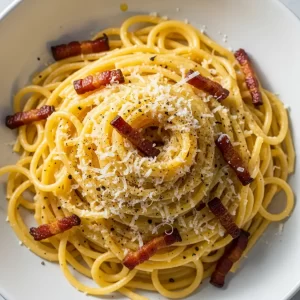

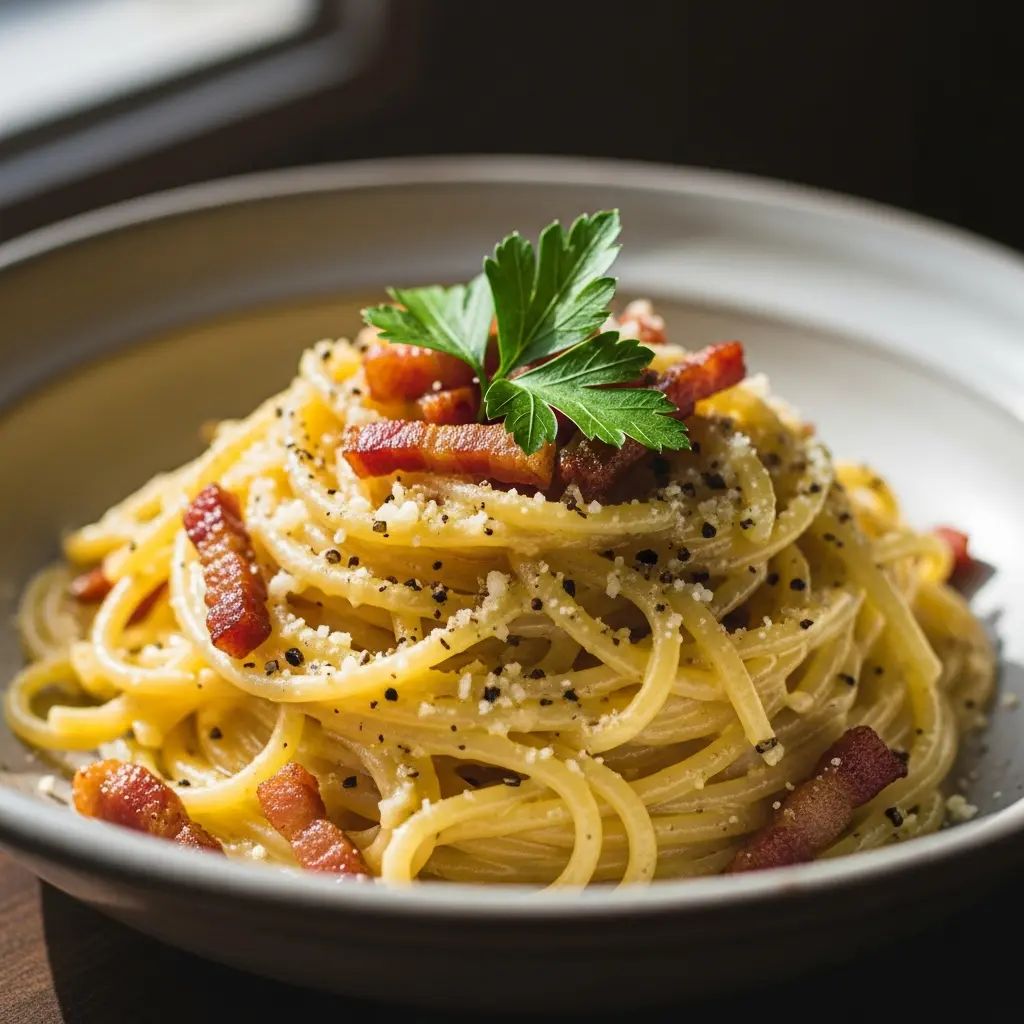
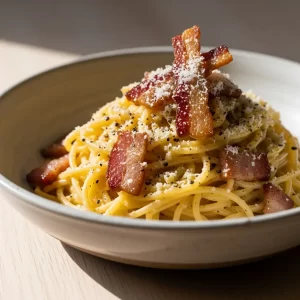
When it comes to Roman cuisine, few dishes capture the city’s spirit quite like Carbonara. Silky strands of pasta coated in a luscious sauce of eggs, pecorino cheese, pancetta, and black pepper-simple ingredients that come together to create a masterpiece of flavor. Whether you’re wandering cobblestone streets seeking the perfect plate or craving a taste of Rome from your own kitchen, this article is your ultimate guide. Join us as we explore the top spots in Rome where Carbonara reigns supreme and share an easy, authentic recipe so you can savor the magic of Italy’s Eternal City anytime, anywhere.
Savor Rome’s best carbonara and immerse yourself in the authentic flavors that make this simple yet exquisite dish an icon of Roman cuisine. Originating in the heart of Rome, Carbonara combines a few humble ingredients-guanciale, pecorino romano, eggs, and black pepper-into a creamy, satisfying pasta that’s rich in history and flavor. My first taste on a sun-drenched cobblestone street instantly captured the essence of Roman culinary art: bold, balanced, and beautifully straightforward.
Prep and Cook Time
Readiness: 10 minutes
Cooking: 15 minutes
Total: 25 minutes
Yield
Serves 4 people
Difficulty Level
Medium – requires attention to technique, but approachable for inspired home cooks
Ingredients
- 400g spaghetti (or tonnarelli for an even more authentic touch)
- 150g guanciale, diced into small strips
- 3 large eggs (preferably at room temperature)
- 100g Pecorino Romano cheese, finely grated
- Freshly ground black pepper, generous amount
- Salt (for pasta water only)
Instructions
- Bring a large pot of salted water to a boil.Cook the spaghetti until al dente, following package instructions (usually 8-9 minutes). Reserve about 1 cup of pasta water before draining.
- Simultaneously occurring,heat a large skillet over medium heat. Add the diced guanciale and sauté until golden brown and crisp, about 5-7 minutes. Stir occasionally to prevent sticking and render the fat evenly.
- In a mixing bowl, whisk together the eggs, grated Pecorino Romano, and a generous crack of black pepper. Set aside.
- Drain the pasta and instantly add it to the skillet with guanciale off the heat to avoid scrambling the eggs.
- Pour the egg and cheese mixture over the hot pasta. Toss quickly and vigorously to create a creamy sauce without cooking the eggs. Add reserved pasta water, a few tablespoons at a time, to achieve your desired silky consistency.
- Adjust seasoning with more black pepper as needed. carbonara should be peppery and flavorful-don’t be shy with it.
- Serve right away, garnished with extra Pecorino Romano and a final sprinkle of freshly ground black pepper.
Tips for Success
- Use guanciale, not pancetta or bacon. Guanciale’s rich, porky flavor and delicate fat renderings are crucial for authentic texture and taste.
- Keep the heat off when mixing eggs. To avoid scrambling, combine eggs with pasta off the direct heat, using the residual warmth to gently cook the sauce.
- reserve pasta water-the starch it contains helps emulsify the sauce and delivers that crucial creamy texture without cream.
- Use freshly grated Pecorino Romano for the best flavor and melt. pre-grated cheese can be dry and less flavorful.
- Serve immediately. Carbonara is best right off the stove,as the sauce thickens and loses creaminess with time.
Serving Suggestions
For an elegant presentation, twirl the spaghetti into tight nests on warm plates. Garnish generously with extra Pecorino and coarse black pepper. Pair your Carbonara with a chilled glass of frascati or a mineral-rich Italian sparkling water to refresh the palate. A simple green salad or sautéed seasonal greens like spinach or rapini complement the richness wonderfully, balancing the plate with fresh bitterness.
| Nutrient | Per Serving |
|---|---|
| Calories | 550 kcal |
| Protein | 25g |
| Carbohydrates | 65g |
| fat | 18g |
For deeper historical context and additional creative pasta dishes, check out our extensive Ultimate Guide to Roman Pasta. To dive further into Italy’s culinary heritage, explore the history of carbonara at Italy Magazine.
Q&A
Q&A: savor Rome’s Best Carbonara – Top Spots + Easy Recipe Inside
Q1: What makes roman Carbonara so iconic and distinct from other pasta dishes?
A1: Roman Carbonara is the true taste of la dolce vita-simple, rich, and soul-satisfying.Unlike cream-laden versions you might find elsewhere, authentic Carbonara relies on just a handful of quality ingredients: guanciale (cured pork cheek), eggs, Pecorino Romano cheese, freshly ground black pepper, and perfectly cooked pasta-usually spaghetti or rigatoni. The magic lies in the technique that creates a silky, creamy sauce without a drop of cream, capturing the rustic elegance of Roman cuisine.
Q2: Where are the best places in rome to try authentic Carbonara?
A2: Rome is dotted with trattorias and osterias that serve Carbonara like no other. Top picks include:
- Roscioli: A gourmet market-cum-restaurant where tradition meets flair. Their version highlights the perfect al dente bite with sumptuous guanciale.
- Da Enzo al 29: A beloved spot in Trastevere, known for its cozy atmosphere and perfectly balanced Carbonara that feels like a warm Roman hug.
- La Carbonara: Located near Campo de’ Fiori, this classic eatery honors old-school recipes with a meticulously crafted dish that’s both hearty and refined.
Q3: Can I recreate Roman carbonara at home without fancy ingredients?
A3: Absolutely! While guanciale is the gold standard, pancetta can be a suitable stand-in if you can’t find it. Fresh eggs and Pecorino Romano cheese are essential to mimic the authentic creamy texture and tangy flavor. The key is in the timing-removing the pan from heat before mixing the egg mixture prevents scrambling, resulting in that silky sauce we adore.Our easy recipe below will guide you through every step!
Q4: What’s the secret to making the sauce creamy without cream?
A4: The secret is the emulsion created by mixing hot pasta with raw eggs and cheese off the heat. The residual warmth cooks the eggs gently, which, combined with the salty Pecorino and pepper, creates a luscious, velvety coating. It’s all about temperature control and swift mixing-that’s where many home cooks stumble, but with our recipe, you’ll become a Carbonara pro in no time.
Q5: Any insider tips when ordering Carbonara in Rome?
A5: Definitely! Avoid tourist traps-seek out spots filled with locals, especially during lunch and dinner hours. Also, ask if they use guanciale; some places substitute with bacon or pancetta, which can alter the flavor profile. Don’t be shy to pair your Carbonara with a glass of crisp Frascati wine to elevate the experience. Lastly, savor each bite slowly-it’s a dish that celebrates simple pleasures, best enjoyed without rush.
Ready to bring a slice of Rome into your kitchen? stay tuned for our easy-to-follow Carbonara recipe that guarantees Roman authenticity with every forkful!
Closing Remarks
As you wander through Rome’s sun-dappled streets or recreate its rich flavors from your own kitchen, the magic of carbonara remains unmistakable-a perfect harmony of simple ingredients transformed into culinary poetry. Whether you choose to savor it at one of the city’s beloved trattorias or whip up the creamy, smoky delight yourself, this quintessential Roman dish invites you to taste tradition with every bite. So go ahead, indulge in the ultimate carbonara experience-because in Rome, every forkful tells a story worth savoring. Buon appetito!