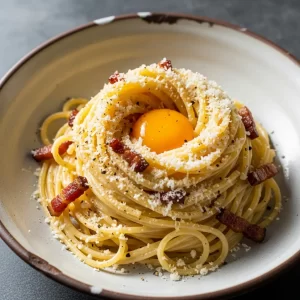

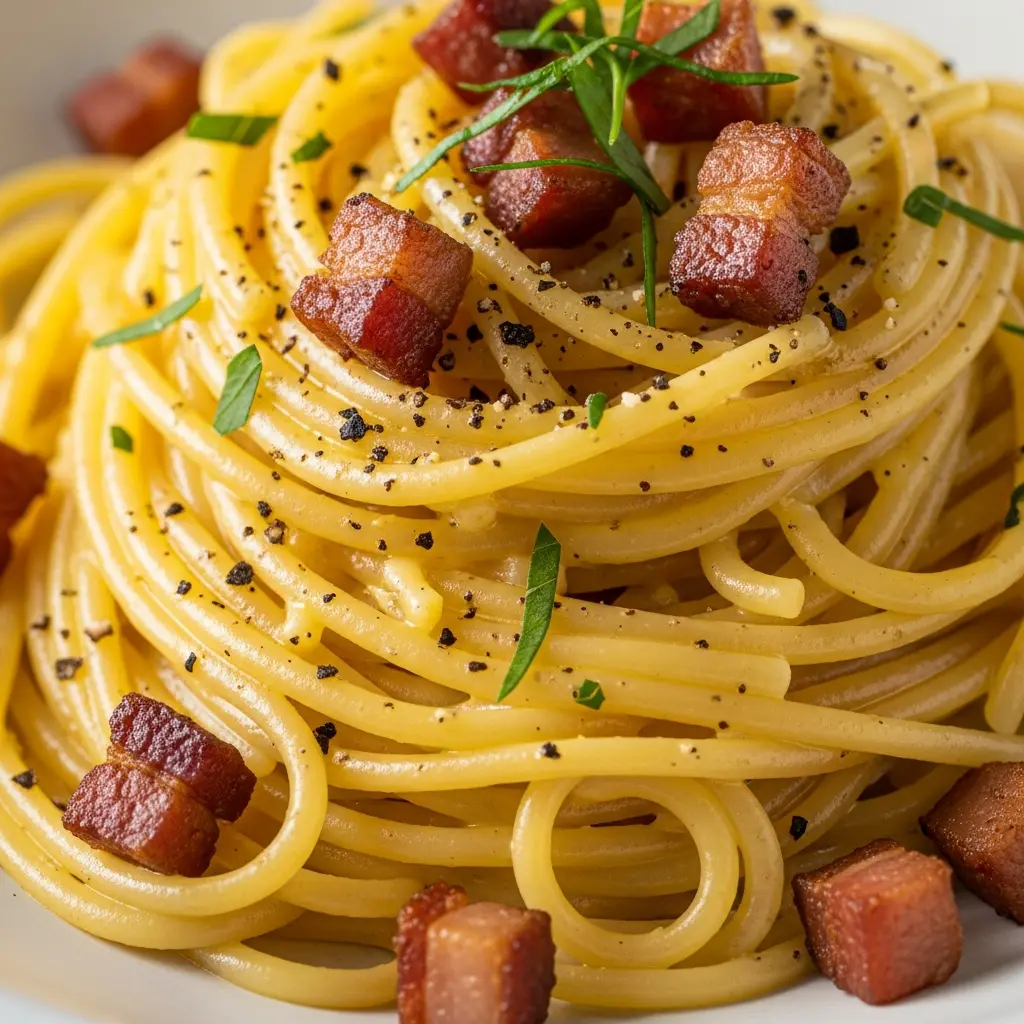
In teh heart of ItalyS culinary tapestry lies a dish that’s as simple as it is sublime: spaghetti carbonara. This classic Roman recipe, with its creamy texture and smoky undertones, has captivated taste buds around the world for generations. But beneath its seemingly straightforward exterior lies a story steeped in tradition, technique, and a dash of mystery. Join us as we unravel the secrets of classic Italian spaghetti carbonara-delving into its origins, authentic ingredients, and the delicate balance that transforms humble components into a timeless masterpiece. Whether you’re a seasoned cook or a curious foodie, prepare to unlock the essence of one of Italy’s most beloved pasta dishes.
Unlocking the Secrets of Classic Italian Spaghetti Carbonara
Unlocking the secrets of classic Italian Spaghetti Carbonara reveals a culinary journey steeped in tradition and bold simplicity. This beloved Roman dish embodies the harmony of just a few premium ingredients, converging to create a satisfyingly creamy, savory sensation-remarkably crafted without a single drop of cream.Its origins trace back to the mid-20th century, intertwining wartime ingenuity and rustic Italian flavors that continue to enchant home cooks and chefs alike.
Prep and Cook Time
- Preparation: 10 minutes
- Cooking: 15 minutes
- Total Time: 25 minutes
Yield
Serves 4 generously
Difficulty Level
Medium – perfect for cooks ready to elevate their pasta skills with technique and timing.
Choosing authentic Ingredients for a True Roman Experience
To truly honour this recipe, start with guanciale, a rich, cured pork cheek boasting a delicate balance of fat and flavor that crisps beautifully. If unavailable, pancetta serves as a respectable alternative, though the nuanced depth of guanciale is unmatched. Authenticity extends to the cheese; opt for freshly grated Pecorino Romano, whose salty sharpness is integral to the sauce’s complexity.
Use high-quality spaghetti made from 100% durum wheat semolina for the ideal al dente bite that stands up to the luscious sauce. Freshly cracked black pepper provides that essential spicy warmth, and of course, farm-fresh eggs will bind the components into the velvety indulgence classic carbonara demands.
Mastering the Creamy Sauce Without a Drop of Cream
One of the most enchanting secrets behind classic Spaghetti Carbonara is the creamy sauce, achieved solely through precise technique and quality ingredients.The magic lies in tempering egg yolks and Pecorino Romano cheese with a ladle of hot pasta water, creating a silky emulsion that delicately coats every strand.
timing is paramount – toss the pasta vigorously off heat to avoid scrambled eggs. Every stir releases the luxurious creaminess the recipe is celebrated for, capturing authentic Roman culinary finesse.
Expert Tips for Perfecting Texture and Flavor Every Time
- Render guanciale slowly: Start cooking the pork over medium heat to melt fat gently and build layers of flavor without burning.
- Reserve pasta water: This starchy liquid is your emulsifying secret; add gradually to reach desired creaminess.
- Control heat precisely: Combine yolk mixture off the flame to prevent curdling and preserve smooth texture.
- Use freshly cracked black pepper: Adds essential aroma and punch-do not skimp!
- Timing matters: Combine pasta and sauce promptly after draining for optimal warmth and assimilation.
Ingredients
- 400g (14 oz) spaghetti,dried,preferably 100% durum wheat
- 150g (5 oz) guanciale,diced into small strips
- 3 large egg yolks
- 1 large whole egg
- 100g (1 cup) freshly grated Pecorino Romano cheese
- Freshly cracked black pepper,to taste
- Salt,for pasta water
Instructions
- Bring a large pot of salted water to a boil. Add spaghetti and cook until just shy of al dente, about 1-2 minutes less than package instructions. Reserve 1 cup of pasta water, then drain.
- In a large skillet over medium heat, add diced guanciale. Sauté until golden and crisp,about 5-7 minutes,stirring occasionally to render fat gently without burning.
- While the pork cooks, whisk together egg yolks, whole egg, and Pecorino Romano in a bowl until smooth. Add a generous amount of freshly cracked black pepper.
- Remove the skillet with guanciale from heat. Add the hot drained spaghetti directly to the skillet, tossing to coat strands with rendered fat.
- Slowly add the egg and cheese mixture to pasta, tossing vigorously to avoid scrambling. Gradually incorporate reserved pasta water,tablespoon by tablespoon,until the sauce reaches a creamy,silky consistency that clings to each strand.
- Adjust seasoning with extra Pecorino and black pepper to taste. Serve immediately for best texture and flavor.
Chef’s Notes and Tips for Success
- Egg Doneness: Always combine the sauce off direct heat to ensure the egg yolks create a smooth custard rather than scrambling.
- Guanciale vs Pancetta: While guanciale is traditional, pancetta is a good fallback; avoid bacon to preserve authentic flavor.
- Make Ahead: Prepare guanciale in advance; just reheat gently before combining with pasta and sauce.
- Vegetarian Version: Omit pork and add sautéed mushrooms or smoked cheese-but note this deviates from the classic Roman experience.
- Cheese Choice: Do not substitute Pecorino Romano with Parmesan; the sheep’s milk cheese’s sharpness is vital.
serving Suggestions
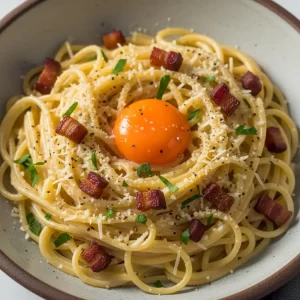
Present your Spaghetti Carbonara with a generous sprinkle of freshly grated Pecorino and a final crack of black pepper. A drizzle of extra virgin olive oil or a sprinkle of chopped fresh parsley offers a subtle freshness,balancing richness. Pair with a crisp white wine such as Verdicchio or Frascati for an authentic roman meal.
Serve alongside a simple arugula salad dressed with lemon and olive oil to cut through the dish’s indulgence. For a traditional Roman aperitivo, combine with olives and crusty bread to create a full sensory experience.
| Nutrient | Per Serving |
|---|---|
| Calories | 520 kcal |
| Protein | 24 g |
| Carbohydrates | 60 g |
| Fat | 18 g |
Discover how to elevate your pasta repertoire further with our guide to classic Italian pasta sauces. For historical context on Roman cuisine, learn more from the Encyclopaedia Britannica’s Carbonara entry.
Q&A
Q&A: Unlocking the Secrets of Classic Italian Spaghetti Carbonara
Q1: What makes classic Italian Spaghetti Carbonara so special compared to other pasta dishes?
A1: At its heart, Spaghetti Carbonara is simplicity perfected. Unlike many pasta dishes that rely on elaborate sauces, Carbonara marries just a few humble ingredients-eggs, guanciale, pecorino romano, black pepper, and pasta-into a creamy, velvety sauce without a single drop of cream. It’s a celebration of texture and flavor, where each element shines, embodying the essence of Roman culinary tradition.
Q2: Why is guanciale preferred over pancetta or bacon in authentic Carbonara?
A2: Guanciale, cured pork cheek, delivers a rich, melt-in-your-mouth fattiness and a slightly sweet, delicate flavor profile unmatched by pancetta or bacon. Its unique texture and fat content render beautifully when crisped, infusing the dish with authenticity and depth. While pancetta or bacon can substitute in a pinch, purists insist guanciale is the true soul of Carbonara.
Q3: Can you explain the art of creating the silky Carbonara sauce without scrambling the eggs?
A3: the secret lies in timing and temperature. After cooking the pasta to al dente perfection, you swiftly toss it off the heat with the beaten eggs and finely grated pecorino romano, using the pasta’s residual warmth to gently cook the eggs. Stirring vigorously creates an emulsified, creamy sauce rather than scrambled eggs.It’s a delicate dance-too hot, and the eggs curdle; too cold, and the sauce lacks that signature lusciousness.
Q4: Is it true that traditional Carbonara doesn’t use cream?
A4: absolutely. Classic Carbonara never calls for cream. The creamy texture emerges naturally from the marriage of eggs, cheese, and pasta water.Adding cream is often viewed as an Italian culinary faux pas. the magic of carbonara lies in its restraint-a testament to the Italian beliefs that less is more.
Q5: Are there any regional variations of Carbonara in Italy?
A5: While the roman version is the most famous,some regions play lightly with ingredients-some add a dash of white wine or swap pecorino romano for parmigiano-reggiano. However, these tweaks are rare, and purists will tell you that the classic Roman recipe is sacrosanct. Carbonara’s beauty is in its simplicity, preserved over generations.
Q6: What tips can home cooks follow to master the perfect Carbonara?
A6: First, invest in high-quality ingredients: fresh eggs, authentic guanciale, and sharp pecorino romano. Cook pasta just shy of al dente since it will finish cooking in the sauce. Reserve ample pasta water to control sauce consistency. Work quickly off the flame when combining ingredients to avoid curdling. Don’t skimp on freshly ground black pepper-it adds that signature bite. practice patience; the perfect Carbonara is a rewarding balance of technique and love.
Q7: How did Spaghetti Carbonara get its name?
A7: The origin is mysterious and debated. Some say “carbonara” comes from ”carbonari,” Italian charcoal workers who favored this hearty dish. others believe the name references the black specks of pepper reminiscent of coal dust. Irrespective, Carbonara remains a delicious emblem of Rome’s rustic past, now cherished worldwide.
Unlocking Carbonara’s secrets means embracing tradition, respecting its simple ingredients, and savoring a dish that tells the story of Italian culinary artistry-one creamy, peppery forkful at a time.
The Conclusion
As we twirl our forks one last time around the golden threads of spaghetti carbonara, it becomes clear that this dish is more than just a comforting plate of pasta-it’s a delicious melody of history, tradition, and technique harmonizing in every bite. Unlocking the secrets behind its creamy texture, smoky pancetta, and perfectly tempered eggs allows us to appreciate not only the flavors but the rich cultural tapestry that gave birth to this Roman classic. So next time you savor a bowl of carbonara, remember: you’re not just enjoying a meal-you’re partaking in a timeless culinary story, lovingly passed down through generations and waiting to be celebrated in your own kitchen. Buon appetito!