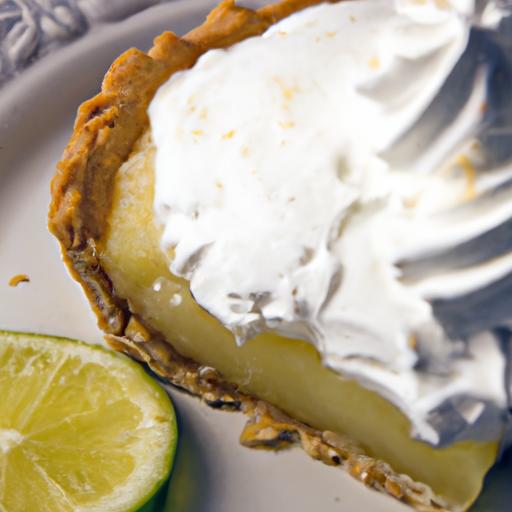

There’s something undeniably captivating about the burst of brightness in a perfectly crafted lemon cream pie-a dessert that dances gracefully between tart and sweet, silky and tangy. Beyond it’s inviting golden hue and luscious texture lies a delicate balance of chemistry and culinary artistry. In “Zesty Delight: The Sweet Science behind Lemon Cream Pie,” we peel back the layers of this iconic treat to explore the fascinating interplay of ingredients and techniques that transform simple lemons, cream, and sugar into a harmonious symphony of flavor and texture. Join us on a flavorful journey where science meets tradition, revealing how each element contributes to the pie’s unforgettable zing and velvety finish.
Zesty Delight recipes capture the essence of fresh citrus combined with silky smooth textures, and nothing exemplifies this better than a perfectly crafted lemon cream pie. This timeless dessert balances the luminous tartness of lemon juice and zest with a luscious, velvety cream filling nestled inside a crisp, buttery crust.The magic lies not only in its vibrant flavor but also in the harmony of textures-the crunch, the creaminess, and the slight tang that awakens every bite.
Prep and Cook Time
Preparation: 25 minutes | Cooking: 15 minutes | Chilling: 4 hours (or overnight)
Yield
Serves 8 generous slices
Difficulty Level
Medium – ideal for passionate home bakers looking to impress
Ingredients
- 1 ½ cups graham cracker crumbs (about 12 full sheets)
- 6 tbsp unsalted butter, melted
- ⅓ cup granulated sugar (for crust)
- 1 cup granulated sugar (for filling)
- 3 tbsp lemon zest (from 3 large lemons)
- ½ cup fresh lemon juice (about 3 lemons)
- 3 large egg yolks
- 1 cup heavy cream
- 8 oz cream cheese, softened
- 1 tsp pure vanilla extract
- 1 tbsp cornstarch
- Pinch of salt
Instructions
- Preheat your oven to 350°F (175°C). in a medium bowl, combine the graham cracker crumbs, melted butter, and ⅓ cup sugar. Stir until the mixture resembles wet sand.
- Press the crust evenly into a 9-inch pie pan. Use the back of a spoon or your fingers to compact it firmly, especially along the edges.Bake for 8-10 minutes or until golden brown. Remove and let cool entirely.
- Whisk egg yolks and sugar: In a heatproof bowl, vigorously whisk together egg yolks, 1 cup sugar, and lemon zest until combined and slightly thickened.
- Add lemon juice and cook: Place the bowl over a simmering water bath (double boiler). Gradually whisk in lemon juice and cornstarch. Continue whisking constantly until the mixture thickens enough to coat the back of a spoon-about 7 minutes. Remove from heat.
- Beat cream cheese and add vanilla: In a separate bowl, whip cream cheese until smooth and then blend in vanilla extract.
- Combine: Slowly fold the warm lemon curd into the cream cheese, mixing gently but thoroughly until smooth. Allow the mixture to cool to room temperature.
- Whip heavy cream: In a chilled bowl, beat heavy cream with a pinch of salt to stiff peaks. Gently fold the whipped cream into the lemon filling until light and airy.
- Assemble and chill: Pour the creamy lemon filling into the cooled crust, smoothing the top with a spatula. cover with plastic wrap and refrigerate for at least 4 hours or overnight to set beautifully.
- Serve chilled: Garnish as desired and slice with a sharp knife dipped in hot water for clean edges.
Tips for Success
- For the best tang, always use fresh lemon juice and zest-store-bought lemon juice lacks the complexity of fresh citrus oils.
- To avoid curdling when cooking the lemon filling, stir constantly over medium-low heat and remove instantly once thickened.
- Ensure cream cheese is fully softened to prevent lumps in the filling; room temperature for at least 1 hour or quick soften in the microwave (10-second bursts).
- Make ahead: The pie can be refrigerated for up to 2 days, allowing flavors to meld and intensify.
- For a nutty twist, substitute half the graham cracker crumbs with finely ground almonds or pecans.
Serving Suggestions
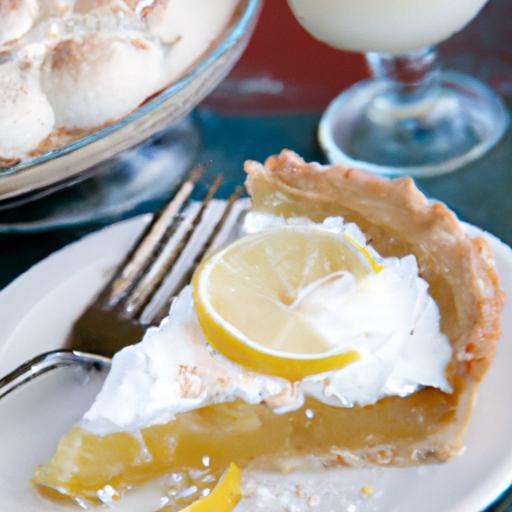
Present this lemon cream pie with a flourish by topping with delicate swirls of freshly whipped cream and a sprinkle of extra lemon zest for visual pop and intensified aroma. Fresh berries, like raspberries or blueberries, add a jewel-like contrast in color and brightness. For an elegant touch, garnish with thinly sliced candied lemon rounds placed artfully around the edges.
Serve chilled alongside a crisp, lightly sweetened iced tea or a refreshing sparkling water infused with mint to balance the zesty richness. Each slice welcomes the perfect harmony of creamy texture and lively citrus zing-a true celebration of flavor in every bite.
| Nutrient | Per Serving (1 slice) |
|---|---|
| Calories | 320 kcal |
| Protein | 5 g |
| Carbohydrates | 30 g |
| Fat | 20 g |

Explore more bright citrus desserts in our Citrus Dessert collection and discover how the science of flavor elevation enhances your baked masterpieces. For deeper insight into the chemistry behind lemon curd, visit Science of Cooking’s lemon curd guide.
Q&A
Q&A: Zesty Delight – The Sweet Science behind Lemon Cream Pie
Q1: What makes lemon cream pie such a uniquely delightful dessert?
A1: Lemon cream pie is a harmonious marriage of tart and sweet, where the bright zing of fresh lemons meets the smooth, luscious texture of creamy filling. This balance tantalizes the taste buds by combining acidity with richness, creating a dessert that feels both refreshing and indulgent.
Q2: How does the chemistry of lemon juice affect the texture and flavor of the pie?
A2: Lemon juice is rich in citric acid, which plays a key role in both flavor and structure.The acidity not only provides that unmistakable tang but also interacts with dairy proteins in the cream filling. These interactions help the filling set into a silky, firm custard without needing heavy thickening agents, contributing to the pie’s velvety consistency.
Q3: Why is it significant to balance sweetness when making lemon cream pie?
A3: As lemons bring a sharp acidity, a precise amount of sugar is essential to create equilibrium. Too little sugar makes the pie overly tart and puckery; too much overwhelms the lemon’s brightness. This careful balance engages your taste buds, highlighting the lemon’s zestiness while providing satisfying sweetness.
Q4: What role does the crust play in the overall experience of this pie?
A4: the crust isn’t just a vessel-it’s the crunchy, buttery foundation that contrasts with the smooth filling. Whether it’s a conventional graham cracker crust or a flaky pastry, its texture and flavor complement the creamy, tangy center, rounding out the sensory experience with a satisfying bite.
Q5: Can the cream component be altered to change the pie’s texture?
A5: Absolutely! Using different creams-from heavy cream to mascarpone or even coconut cream-can transform the pie’s richness and mouthfeel. Heavy cream imparts a classic,dense creaminess,while lighter or alternative creams can lend a fluffy or exotic twist,showcasing how science and creativity intertwine in the kitchen.
Q6: What scientific principles help ensure the perfect set in lemon cream pie?
A6: The setting process typically involves proteins coagulating and starch molecules gelatinizing as the pie cools. The acid from lemon juice helps tighten the protein structure by lowering the pH, while cornstarch or eggs often provide additional thickening. Cool temperatures then solidify this delicate network, ensuring a custard that holds its shape but melts in your mouth.
Q7: How does zesting influence the pie beyond just flavor?
A7: Lemon zest contains essential oils packed with aromatic compounds that enhance the pie’s fragrance and depth. These oils add complexity by releasing bursts of citrus aroma that awaken your senses even before the first bite, turning a simple dessert into a multi-sensory delight.
Q8: Can lemon cream pie be made healthier without losing its charm?
A8: Yes! Substituting sugar with natural sweeteners like honey or maple syrup, opting for yogurt rather of heavy cream, or using whole-grain crusts can add nutritional value.The key is maintaining the essential balance of tartness and creaminess-science teaches us that flavor harmony is just as important as the ingredients themselves.
Unlocking the sweet science behind lemon cream pie reveals it as much a feat of culinary chemistry as a cherished treat-where every tart drop and creamy swirl is a testament to precise balances, texture transformations, and aromatic artistry. So next time you savor a slice, appreciate the zesty delight that science and nature have crafted together!
Key Takeaways
As the last tangy bite of lemon cream pie lingers on your palate, you’re reminded that this dessert is much more than a simple treat-it’s a delicate dance of chemistry and craft. From the precise balance of acidity and sweetness to the creamy texture that melts effortlessly, each element plays a vital role in creating that zesty delight we crave. So the next time you savor a slice,take a moment to appreciate the sweet science behind its tangy charm-a perfect harmony of flavor and formula that turns humble ingredients into something truly exceptional.